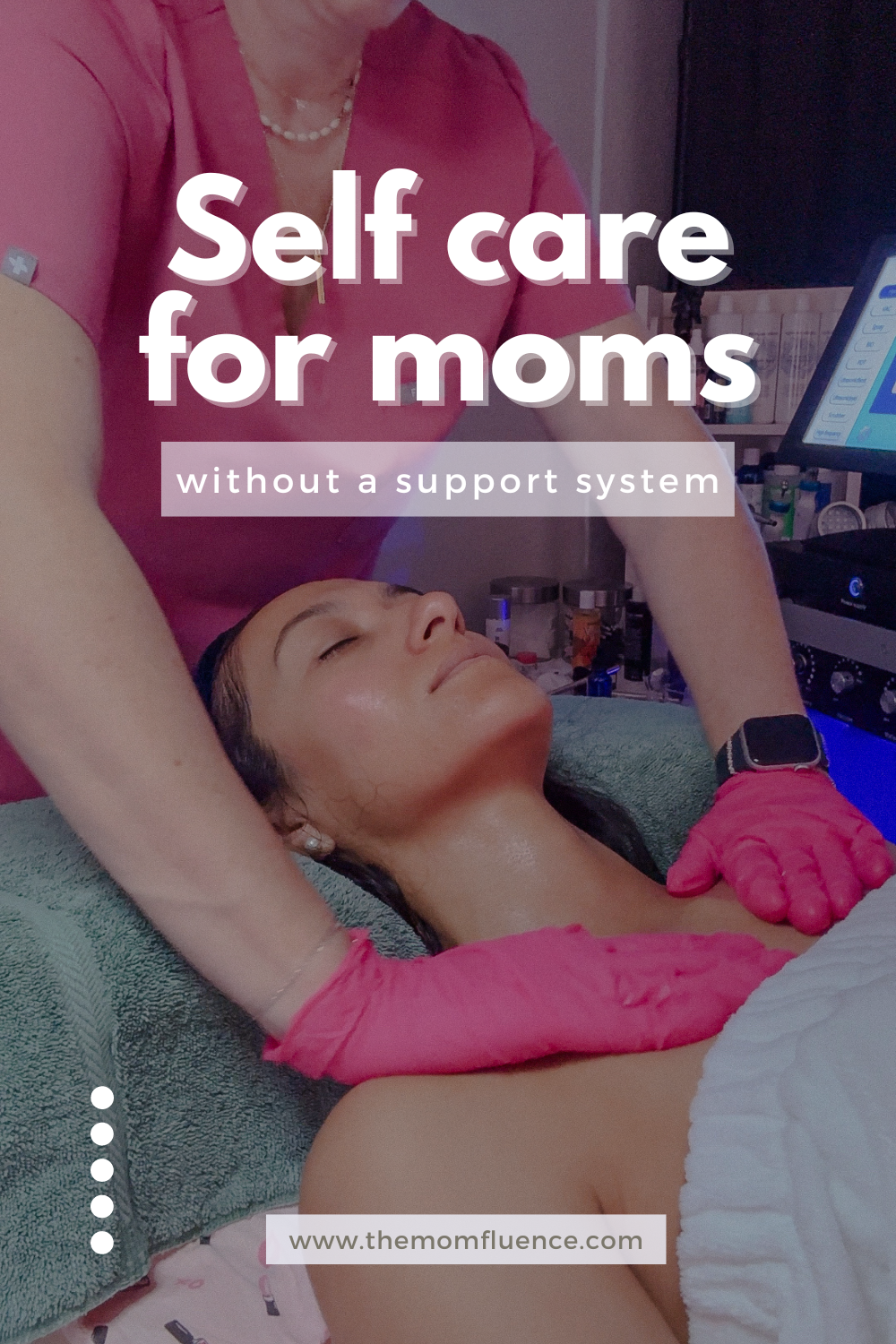
What if the elusive concept of “self-care” for mothers was nothing more than a sanitized euphemism for basic hygiene? Imagine that: a society that dresses up mere survival essentials as extraordinary acts of indulgence. Such paradoxical framing forces a piercing question—have we, as a culture, so dissected and distorted the idea of caring for oneself that moms are expected to feel guilty for merely existing as whole human beings with needs? If self-care is the bare minimum—a baseline rather than a luxury—then why do mothers constantly grapple with justifying their right to it?
Redefining Self-Care: Beyond the Spa Day Illusion
Self-care has become a commodified buzzword drenched in fluffy Instagram aesthetics—bubble baths, scented candles, and expensive retreats. But with mothers, the stakes are far grittier and less glamorous than a Pinterest-worthy snapshot. Self-care, at its core, is about sustaining life, not embellishing it. It is not a treat; it is a necessity. Moms are often submerged in ceaseless responsibilities that drain their emotional, physical, and mental reservoirs. To call self-care anything beyond basic hygiene is to set an unattainable bar that shifts depending on society’s voyeuristic gaze.
This distortion risks turning the smallest acts—a shower, a quiet moment without interruption—into Herculean endeavors worthy of fanfare. But the truth bites deeper: for many moms, these acts are survival tools, the foundational building blocks of health and sanity. Elevating self-care to a lofty luxury paints an immaterial, unattainable caricature for thousands struggling in real exhaustion. The playful invisibility of self-care actually conceals a deeper sickness—denying mothers their most elemental human needs.

The Gendered Architecture of Care Work and Its Impact on Basic Needs
Gender politics saturate the discourse surrounding self-care for mothers. Care work—unpaid, unacknowledged, relentless—is embedded in a cultural matrix that expects mothers to pour from an empty cup. This structural reality means that hygiene and rest become battlegrounds, fought over time and again within the domestic sphere. The fundamental conflict is this: can any reflection on self-care be separated from the overwhelming labor of care mothers provide, often unpaid and invisible?
To frame self-care as “extra” or optional ignores the cruel irony that women bear the brunt of caregiving duties. This tubercular burden not only depletes resources but installs guilt like a Trojan horse. Mothers erode their own wellbeing because society continually signals that their value lies in self-abnegation. Thus, stating that self-care is “merely basic hygiene” insists on recognizing the deprivation at the heart of motherhood, an unvarnished truth obscured by polite euphemisms.
The Myth of the Supermom and Why Self-Care Feels Like a Rebellion
The ‘supermom’ mythos is a pernicious narrative weaponized against mothers who dare to prioritize themselves. It conjures an impossible ideal: a woman who flawlessly manages career, home, children, and social obligations without visible strain. Any deviation from this script brands her as selfish or negligent, distorting self-care into an act of rebellion rather than a right.
When a mother steals a moment to shower uninterrupted or sip coffee alone, she rebels against systemic expectations rather than indulging whims. The profound challenge lies in poisoning the well of motherhood with this ‘supermom’ trope, which renders self-care suspicious—a frivolous side show rather than a baseline human requirement. Recasting self-care as basic hygiene is a revolutionary act in this context, stripping away the performative excess to expose what should be a universal entitlement.

Emotional Labor and the Invisible Cost of Neglecting Basic Care
Beyond physical upkeep, self-care intersects intimately with emotional labor—the unseen work of managing feelings, familial atmospheres, and social dynamics. Mothers often absorb collective stress and emotions, weaving themselves into the fabric of family wellbeing at a considerable personal cost.
When basic hygiene and mental reprieves become luxuries, the emotional fallout accelerates burnout, depression, and chronic illness. Ignoring the fundamental need for self-care perpetuates a cycle where mothers sacrifice their own equilibrium for others. This is not heroism; it is systemic failure. Recognizing self-care as basic hygiene demands a reckoning with the toll of invisible emotional labor, necessitating structural supports beyond platitudes.
Structural Solutions: From Individual Acts to Collective Responsibility
If self-care for mothers is truly just basic hygiene, then its denial is not a personal failing but a societal one. This realization shifts the discourse from guilt-ridden individual responsibility to collective accountability. Providing accessible childcare, equitable workplace policies, and community support networks transforms self-care from an elusive luxury into an attainable norm.
Political will and cultural reorientation are essential. This means de-prioritizing productivity fetishism and cultivating spaces where mothers can reclaim time, rest, and bodily autonomy without stigma. The “basic hygiene” of self-care must be insulated from fluctuant approval or economic privilege. Only then can self-care cease to be a radical act and become the foundational human right it was always meant to be.
Conclusion: Reclaiming the Narrative of Self-Care for Mothers
So, what if self-care for moms is just basic hygiene? This seemingly provocative question serves as a scalpel cutting through layers of societal pretense. It lays bare the absurdity of treating survival necessities as indulgent options. Mothers deserve to inhabit a world where the simple acts of washing a face, catching a breath, and tending one’s own needs are met not with judgment or exceptionalism but with recognition and respect.
To embrace this truth is to challenge systemic inequities and cultural myths alike. It is to dismantle the supermom ideal and demand that basic care—not leisure masquerading as care—be front and center in conversations about motherhood. Not as an act of luxury, but as the barest requirement of justice.









Leave a Comment