
The invisible tyranny of motherhood is not the physical tasks alone but the relentless orchestration of every detail—an unyielding mental ledger known as the mental load. It’s an omnipresent checklist, heavy with anticipation, management, and emotional labor that mothers bear almost exclusively. Fathers may participate in chores, but the pervasive, cognitive responsibility often remains unseen, unacknowledged, and unshared. This silent burden impacts well-being, relationships, and societal perceptions. Understanding the mental load means peeling back the veneer of traditional parenting roles to expose the labyrinthine psychological demands woven into maternal experience.
The Cognitive Cartography of Motherhood
More than just juggling schedules and errands, the mental load is the exhaustive cognitive map mothers constantly navigate. It includes anticipating needs before they surface, remembering countless obligations, and strategizing for contingencies. While fathers may do an occasional task, the perpetual foresight—the relentless anticipation of everything from doctor appointments to school projects—is a realm mothers exclusively inhabit. This mental cartography is not simply multitasking; it’s the orchestration of a complex web of responsibilities with an almost invisible thread.
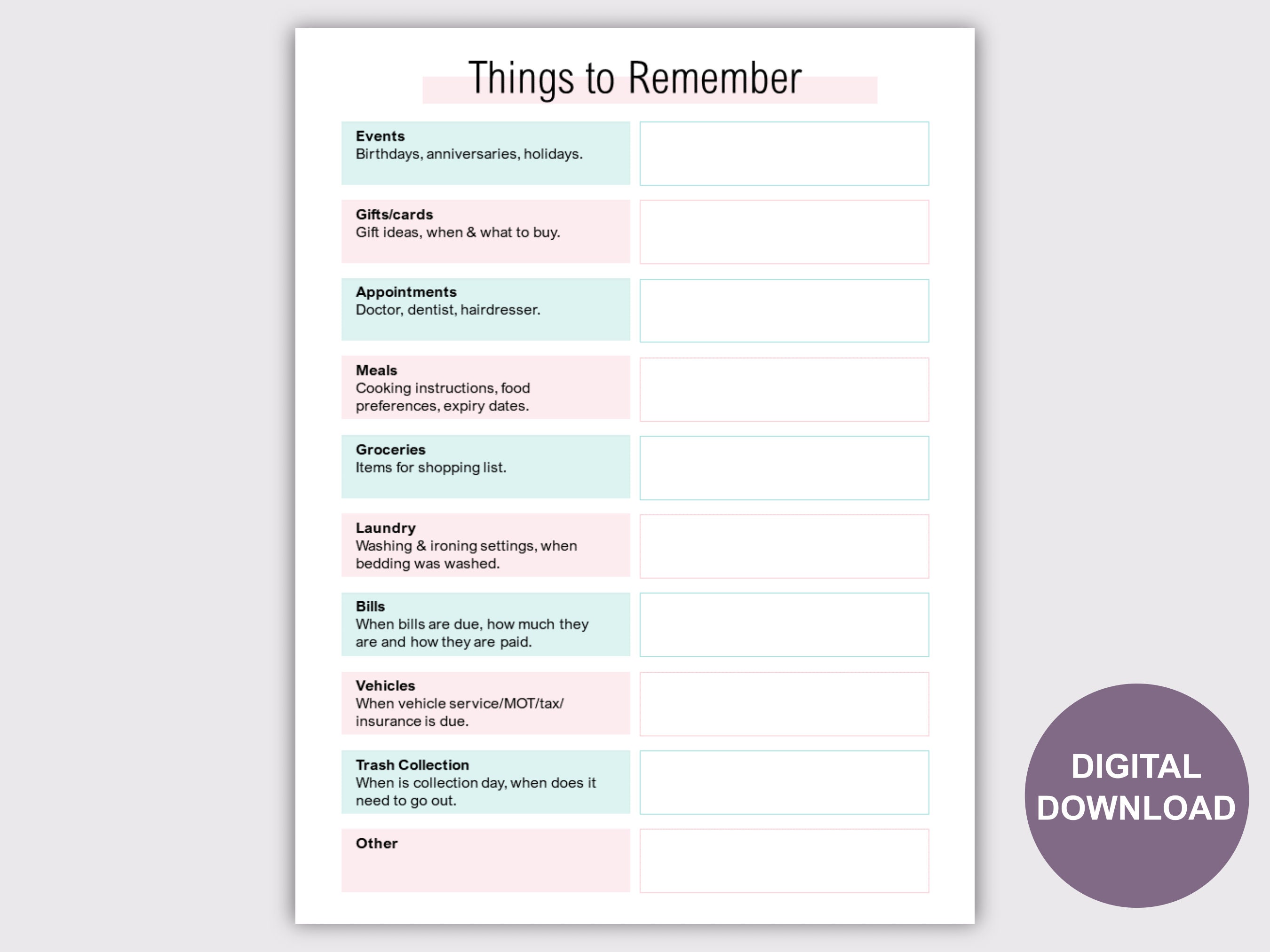
The result is a profound cognitive exhaustion. This isn’t fatigue of the body but of the mind, sapping creativity, patience, and energy with relentless vigilance and planning. It turns daily life into an unending cycle of mental housekeeping.
Scheduling and Time Management: The Hidden Calendar
The mental load coalesces into the management of time—an unending, invisible calendar etched into a mother’s mind. Birthdays, school events, extracurricular activities, vaccination appointments, playdates, and deadlines incessantly clamor for attention. Mothers are the gatekeepers of these schedules, ensuring no detail slips through the cracks. Fathers might be “involved,” but often the responsibility to remember and remind falls almost solely on mothers.
Behind each commitment is the psychological burden of contingency planning—what to pack, when to leave, transportation logistics, and potential conflicts. This labyrinthine management extends beyond surface-level chores; it’s a cognitive juggling act where one missed detail can cascade into chaos.
Emotional Labor: The Unseen Emotional Atlas
Beyond logistics lies the emotional atlas—the labor of managing feelings, moods, and relationships within the family unit. Mothers frequently act as the emotional nucleus, decoding silent signals, soothing anxieties, and maintaining familial harmony. This labor is intangible but indispensable and disproportionately assigned to mothers.
This invisible work encompasses mental tagging—remembering what each child’s emotional state was yesterday, anticipating stressors, diffusing tensions before they escalate. Fathers’ emotional contributions are often episodic, while mothers continuously carry this undercurrent of relational intelligence.
Such emotional stewardship requires immense energy and constant mental vigilance, draining psychological resources without visible acknowledgement or reprieve.
Household Management: Beyond the Physical Chores
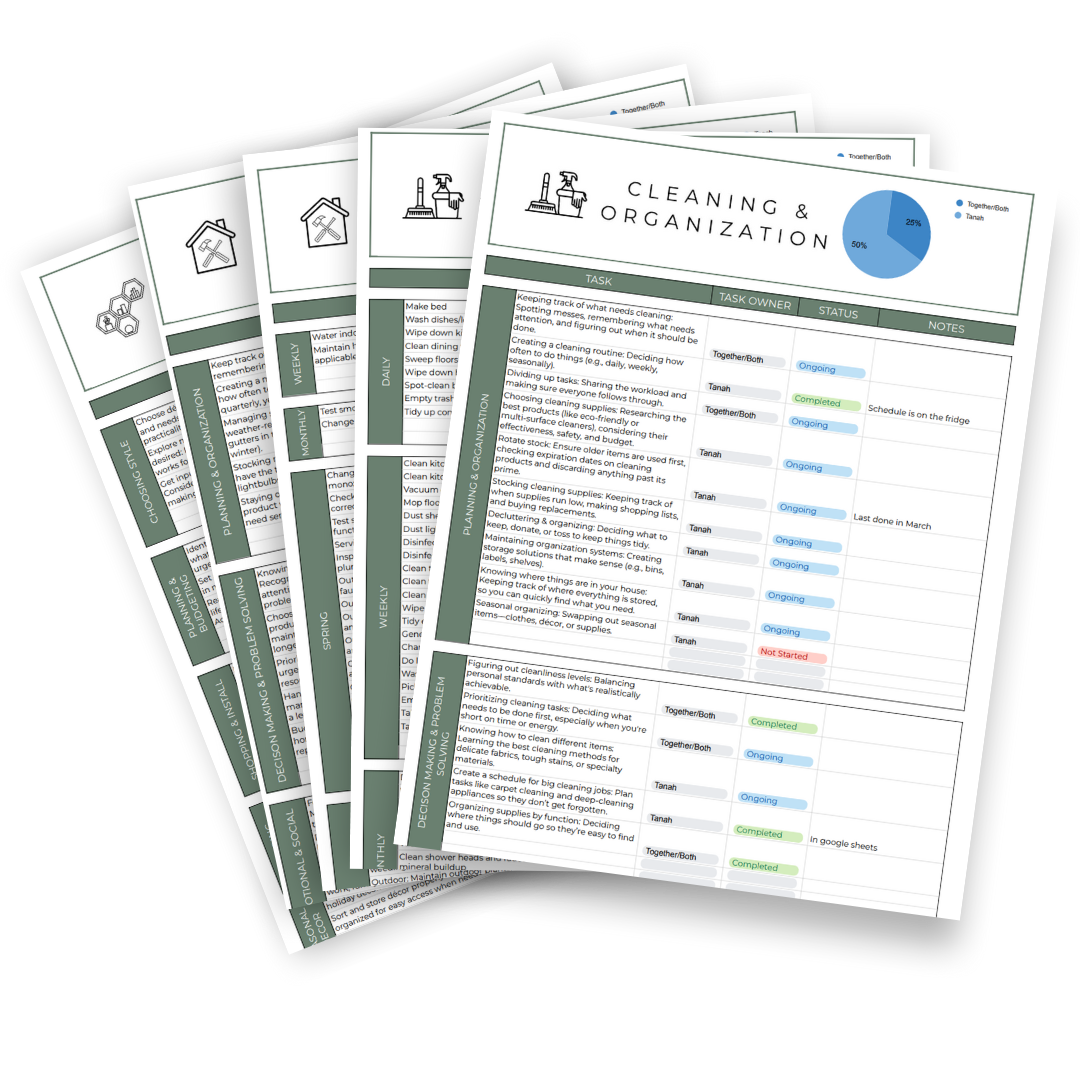
Sorting laundry or washing dishes is just the surface. The mental load extends into relentless household management—planning meals that cater to various tastes and dietary needs, ensuring basic supplies are replenished, coordinating cleaning schedules, and troubleshooting appliance failures without being asked. This manager role is often invisibly held by mothers, bearing the responsibility for overall domestic equilibrium.
Fathers may execute singular chores, but orchestrating this constellation is where the mental labor becomes truly onerous. It demands not only action but foresight, budgeting, and contingency thinking.
Work-Life Integration and the Double Burden
Modern mothers increasingly juggle career ambitions while maintaining this extensive mental load, engendering a double burden. The cognitive weight multiplies as mothers mentally navigate professional deadlines alongside familial obligations. This fusion breeds a paradoxical existence—a mother expected to excel professionally while flawlessly managing the household’s needs.
Conversely, fathers often experience compartmentalized roles. The emotional and cognitive fragmentation inherent in the mental load is rarely demanded of them. This disparity perpetuates inequities, both at home and in the workplace.
The Impact on Identity and Well-being
Cumulatively, the mental load exacts a profound toll on identity and mental health. Mothers frequently wrestle with guilt, exhaustion, and invisibility. Carrying this persistent checklist can erode confidence, stifle personal aspirations, and exacerbate chronic stress. The societal norms that fetishize maternal sacrifice often dismiss this burden as “natural,” obscuring its debilitating effects.
Recognizing the mental load is a critical step toward dismantling this inequity. A mother’s worth should never be measured by how much invisible labor she absorbs.
How to Recognize and Distribute the Mental Load
The first step toward equity is illumination—making the invisible visible. Mental load checklists and candid conversations expose the cognitive labor mothers undertake daily. Sharing the checklist transforms mental load from a vague burden to a tangible, shareable responsibility.
Fathers, partners, and society must acknowledge that participation in visible tasks is insufficient. True equity requires active mental engagement—anticipation, memory, and emotional labor must be communal efforts. Tools, such as editable mental load PDFs and tailored checklists, can foster awareness and accountability, dismantling ingrained gender roles in household and emotional management.
The Revolutionary Potential of Mental Load Awareness
Acknowledging the mental load is more than a domestic issue—it is feminist reclamation of cognitive space and emotional labor previously rendered invisible. It challenges antiquated divisions of labor and gender roles, advocating for shared mental responsibility. This awareness has the potential to recalibrate not only family dynamics but broader cultural expectations surrounding motherhood and fatherhood.
In reclaiming this mental territory, mothers reclaim autonomy and partnership, transforming invisible burdens into shared journeys. The mental load checklist is not just a list—it is a manifesto demanding recognition, equity, and profound cultural change.










Leave a Comment