
In a society meticulously manicured around perfected appearances, the decision of a woman to stop shaving for an entire year becomes less about personal choice and more a riveting mirror reflecting entrenched cultural anxieties and absurd societal dictates. The visceral reactions this simple act provokes unravel far deeper tensions than mere grooming habits. They expose the fragile underpinnings of gender norms, the incessant policing of female bodies, and the perilous territory women navigate when claiming autonomy over their own flesh. This is not merely a tale of body hair—it is a story of power, rebellion, and an unvarnished confrontation with collective gaze.
The Unsettling Silence Behind the ‘Chore’ of Shaving
For countless women, shaving is a monotonous ritual performed not from desire but compulsion. It has been framed as a “chore,” a tedious task embedded in cultural scripts that dictate smoothness as synonymous with femininity and desirability. When a woman declares freedom from this constriction, she disrupts the narrative; her unshaven body is no longer a passive receptacle for societal approval but an active site of defiance.
The fixation on female hairlessness unveils a perplexing paradox: the body is to be simultaneously natural and unnatural, wild and controlled. Society demands a paradoxical purity that requires women to erase their natural traits, bending biology to fashion’s fickle whims. The lasting decision to stop shaving punctures the illusion that beauty is effortless, revealing the labor beneath self-presentation.

Reactions: From Outrage to Curiosity—What’s Really at Stake?
The spectrum of responses to a woman’s unshaven body ranges from visceral disgust to bewildered curiosity, reflecting a collective anxiety over what her choice symbolizes. These reactions are anything but about hair; they are brutally about control, order, and the discomfort felt towards anything that unsettles established gender aesthetics.
Outrage often cloaks itself in moralistic rhetoric, stripping the narrative to one of “hygiene” or “decency.” Such responses serve as cultural gatekeeping mechanisms, designed to shame and reassert dominance over female autonomy. The women’s bodies become pawns in ideological contests, where the smallest hairs threaten the fragile edifice of patriarchal beauty dogma.
Curiosity, on the other hand, frequently smells of covert judgment rather than genuine interest. It exposes how normalized the shaving mandate has become; a state of natural hairiness is so foreign it prompts inquisitions and even fascination. The feminist act of claiming bodily sovereignty blurs lines and demands discomfort from observers entrenched in binary representations of femininity.
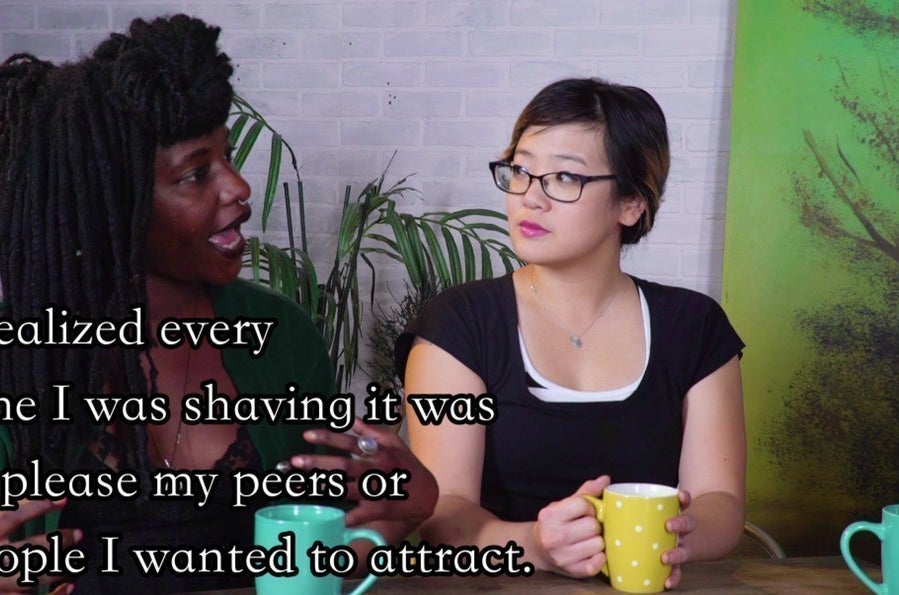
Body Hair as a Battlefield: Gender, Power, and the Politics of Appearance
Body hair is a historically charged symbol, a battleground over which masculinities and femininities are contested and constructed. Female body hair disrupts the sanitized, commercially palatable ideal of womanhood that billions are conditioned to seek. To many, unhygienic stereotypes cling artificially to the notion of natural hair, weaponized to alienate and stigmatize.
Yet the refusal to conform maps onto a broader feminist trajectory—a reclamation of corporeal autonomy and rejection of homogenous beauty standards. It unsettles conventions that commodify women’s bodies as objects of gazes, grooming regimens, and regulation. Halting the shaving routine becomes a potent political act, a refusal to smooth oneself into compliance for external validation.
Male bodies are rarely subjected to such fierce scrutiny over natural hair growth, exposing a glaring asymmetry in societal expectations. This disparity illuminates the deeply gendered mechanisms of control and underscores why reactions to a woman’s decision to stop shaving often seem disproportionately vehement.
The Psychological Undercurrents: Identity, Self-Worth, and Liberation
Choosing to forego shaving can catalyze profound psychological shifts. For many women, the initial apprehension gives way to a transformative process of self-acceptance and redefined identity divorced from externally imposed standards. This journey illuminates the fragile foundations of self-worth tethered to conformity and challenges the internalized misogyny pervasive in cultural conditioning.
The body becomes a canvas of authenticity rather than artifice. This transformation resonates with a burgeoning collective awareness that liberation involves reclaiming spaces long ceded to patriarchal scrutiny—the intimate, hidden folds where desire for control often fester.
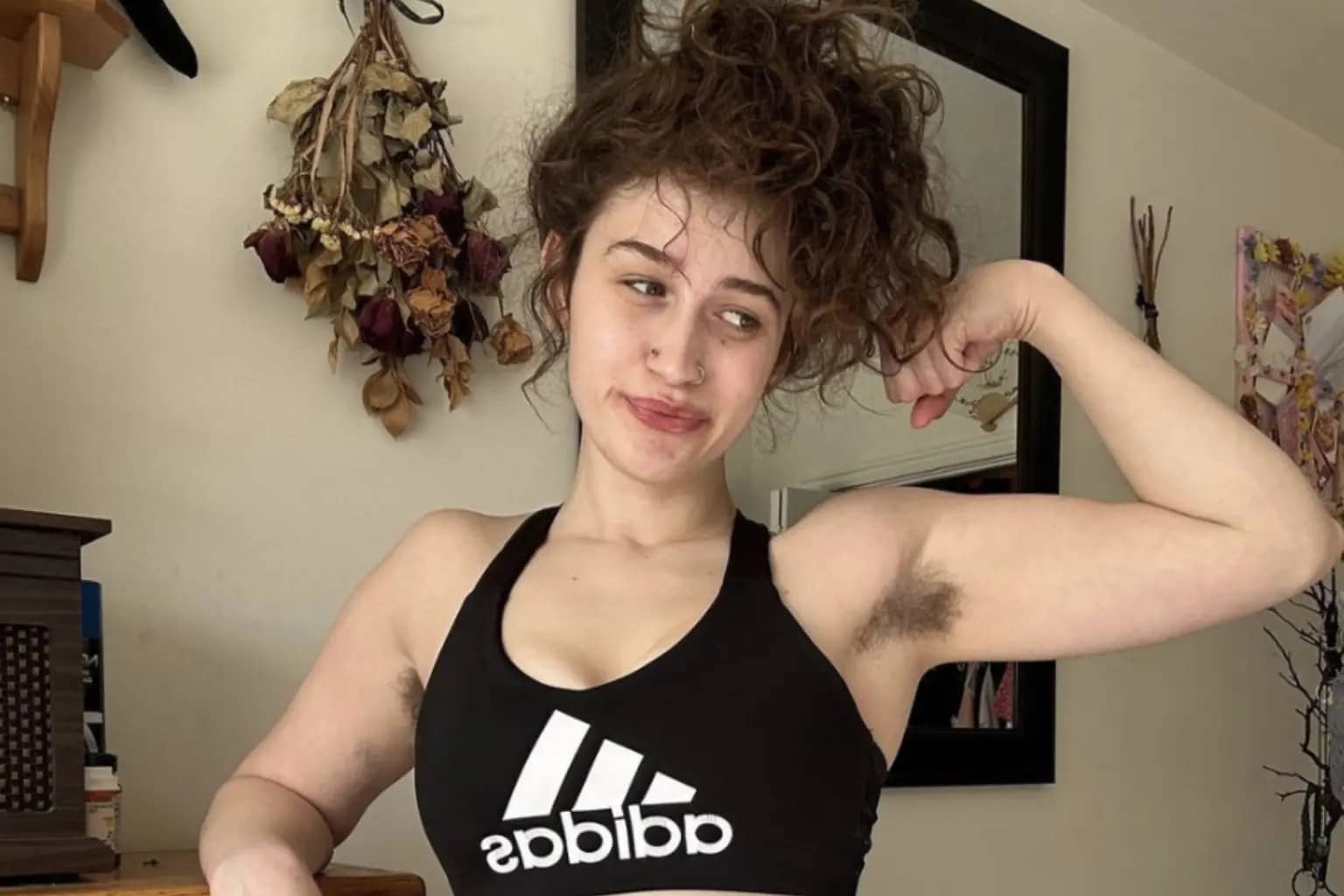
Beyond the Surface: What the Fascination Reveals About Society
The fascination, sometimes bordering on obsession, with women’s shaving habits betrays unease with female empowerment and autonomy more broadly. It is a manifestation of social anxieties about shifting norms and the redefinition of femininity in the 21st century. The collective stare is laden with contested meanings—between tradition and transgression, control and freedom.
This obsession underscores how so much ideological weight is placed on seemingly inconsequential details. Hair — an organic extension of self — becomes a battlefield where deep-rooted fears about gender, sexuality, and power play out. The reactions reflect an unresolved cultural wrestling with change, a harbinger of growing recognition that societal norms are neither immutable nor beyond critique.
A Call to Reexamine: Toward Radical Acceptance and Bodily Sovereignty
The year-long refusal to shave challenges us to confront our discomfort and reconsider the arbitrary codes etched onto women’s bodies. It demands a radical acceptance of natural embodiment as resistance, liberation, and normalcy. The path forward involves dismantling superficial beauty hierarchies and nurturing a culture that honors bodily sovereignty over conformity.
Ultimately, this act compels a reckoning with the question: why do we police bodies so obsessively, and who benefits? The answers speak to broader dynamics of power—an invitation to foster empathy, diversity, and respect for the infinite ways bodies manifest strength and beauty.
As the hair grows wild and free, so too does the possibility for a future untamed by outdated diktats and rich with unapologetic authenticity.








Leave a Comment