
Have you ever paused mid-spoonful of your morning cereal, glanced around at the chaos of the day ahead, and wondered: who keeps track of all the invisible handshakes, the silent negotiations, and the emotional taxes that women pay daily? What if all the scribbled notes, mental checklists, and worn-out reminders—collectively known as emotional labor—were suddenly erased? Would the world collapse, or would it breathe a sigh of relief? The idea of burning the emotional labor ledger is not just symbolic; it is revolutionary. It challenges us to reevaluate the cultural economy of care and invites a dismantling of entrenched gender norms that have long placed women in the unpaid, undervalued role of emotional accountants.
What Is Emotional Labor—Really?
Emotional labor is that Herculean exertion of mental and emotional effort required to manage not only one’s own feelings but also to meticulously regulate and respond to the emotions of others. It is the invisible thread weaving through a woman’s daily existence: remembering birthdays, anticipating needs, diffusing tensions, managing social calendars, and laboriously performing the emotional bookkeeping that no one else bothers to track. Unlike physical labor, emotional labor is intangible, yet it accumulates with an insidious weight that can crush spirits and stifle ambitions.
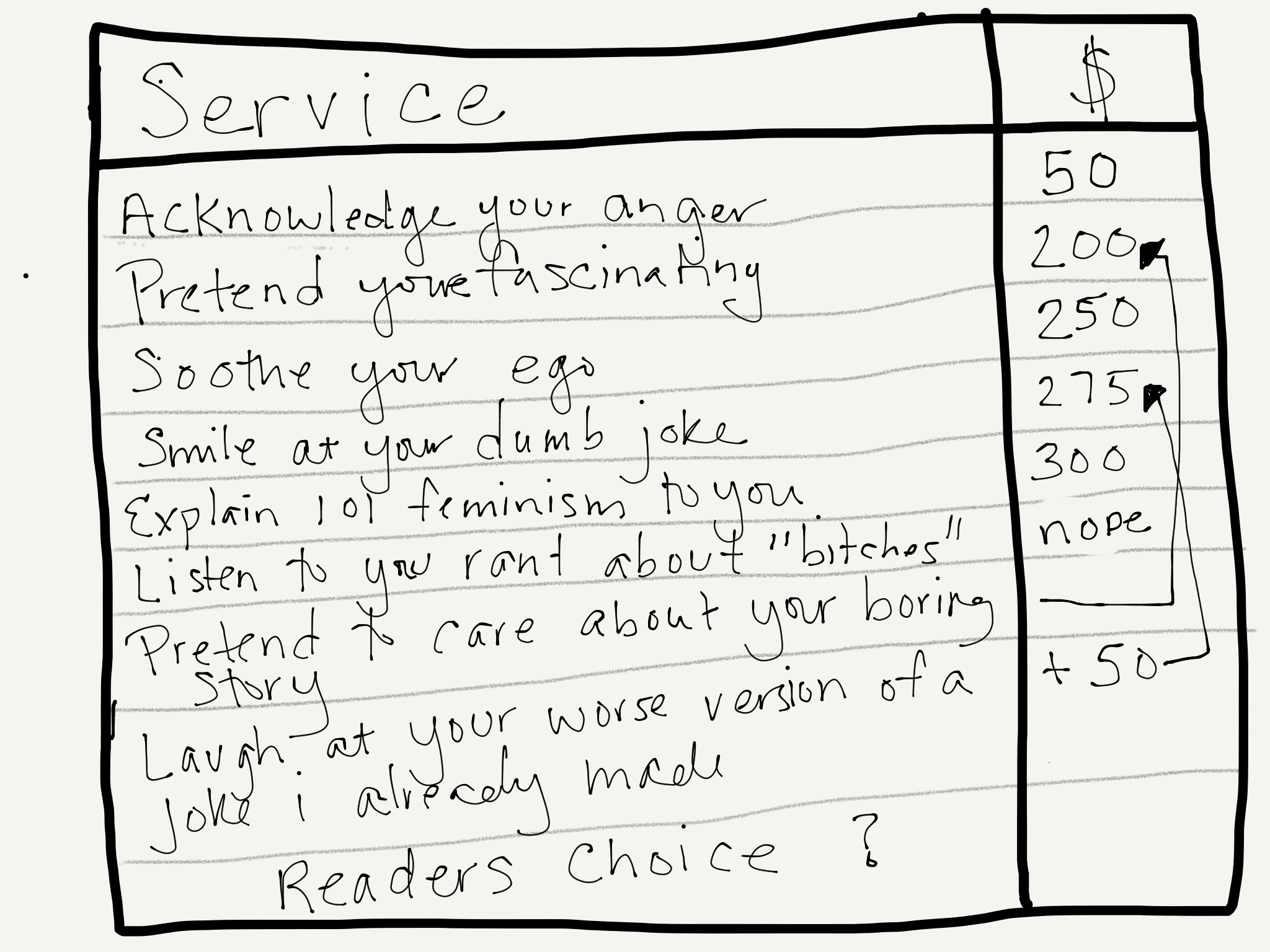
Often mistaken for natural feminine traits—nurturing, empathy, and multitasking prowess—this labor is fundamentally a societal expectation, an imposed burden wrapped in cultural conditioning and gendered scripts. When emotional management is demanded without acknowledgment or compensation, it becomes a form of coercion, a physiological toll masquerading as kindness.
The Emotional Ledger: Tracking the Invisible Debits and Credits
Imagine a ledger where every time a woman calms a partner’s anxiety, coordinates a family event, or soothes a child’s tantrum, she makes a mental debit. There’s no receipt, no paycheck, and rarely even a “thank you.” Yet the emotional ledger remains exhaustive. Due dates for doctor appointments, reminders for anniversaries, navigating social dramas—they all stack up silently in the background. This exhaustion is compounded by the societal myth that women are naturally better at this work, making their pain invisible and their effort undervalued.

Such persistent emotional accounting leaves women burnt out, their identities intertwined not with their desires or achievements but with the ceaseless maintenance of others’ emotional landscapes. The emotional ledger is a form of unseen bondage that ties a woman to the upkeep of relational harmony at the expense of her psychological and physical well-being.
Why Must This Ledger Be Burned?
The metaphorical burning of the emotional labor ledger is an act of defiance and liberation. By rejecting the tally, women reject the premise that emotional care is a unidirectional obligation weighted against them. Burning the ledger means refusing to be the emotional unpaid intern of every social setting. It calls for a radical reallocation of emotional responsibilities—a redistribution that demands recognition, respect, and reciprocity.
Consider the consequences of this radical act. Initially, chaos. Relationships may sputter without the invisible lubrication that someone has tirelessly provided. But in that chaos lies a necessary tumult, a dismantling of old systems to make way for new, equitable ones. It forces partners, families, and communities to confront their own complacency, to engage actively and empathetically rather than passively relying on the emotional caretaker.
The Challenge: Can We Reimagine Care Without Laboring Emotionally to Oblivion?
Is it possible to cultivate a culture where emotional labor is neither expected solely of women nor exhaustedly hoarded as a personal duty? To answer this, we must unveil the stereotypes that pigeonhole women into emotional prisons. Feminine emotionality has been simultaneously praised and weaponized, celebrated as empathy but stigmatized when expressed as fatigue or resistance.

Reimagining care involves normalizing emotional responsibility as a communal activity—an ongoing dialogue rather than a solitary burden. It means instilling emotional intelligence and accountability from an early age, across all genders, and demanding structural shifts in workplaces, homes, and social institutions. Until such recalibration, the ledger will continue to be rewritten, and women will continue to bear the silent cost.
The Aftermath: Healing Beyond the Flames
Burning the emotional labor ledger isn’t about obliterating compassion but reclaiming it from extraction. It is about fostering emotional resilience rooted in shared vulnerability and mutual support. This healing journey entails knitting new social fabrics where care is reciprocal and visible.
It demands linguistic shifts—recognizing and naming emotional labor openly so its weight is comprehensible and negotiable. It invites policies that support emotional well-being: mental health days, flexible work arrangements, and equitable parental leave. Importantly, it requires courageous conversations that unsettle patriarchal norms and embrace plurality in emotional expression.
A Call to Arms: Dismantling the Invisible Chains
The ledger is a relic of an outdated social contract that presumes women’s perpetual availability for emotional caretaking. The call to burn it is a call to reclaim time, energy, and above all, autonomy. It is an invitation to dismantle the invisible chains binding women’s worth to their ability to labor emotionally without complaint or reward.
Will society rise to meet this challenge? Will individuals confront discomfort, redistribute emotional responsibilities, and reimagine care in revolutionary ways? Or will the ledger continue to grow, its pages weighted with the silent sorrows of countless women? The answer lies in collective action—a shared commitment to illuminate and eradicate the unseen taxes of emotional labor.








Leave a Comment