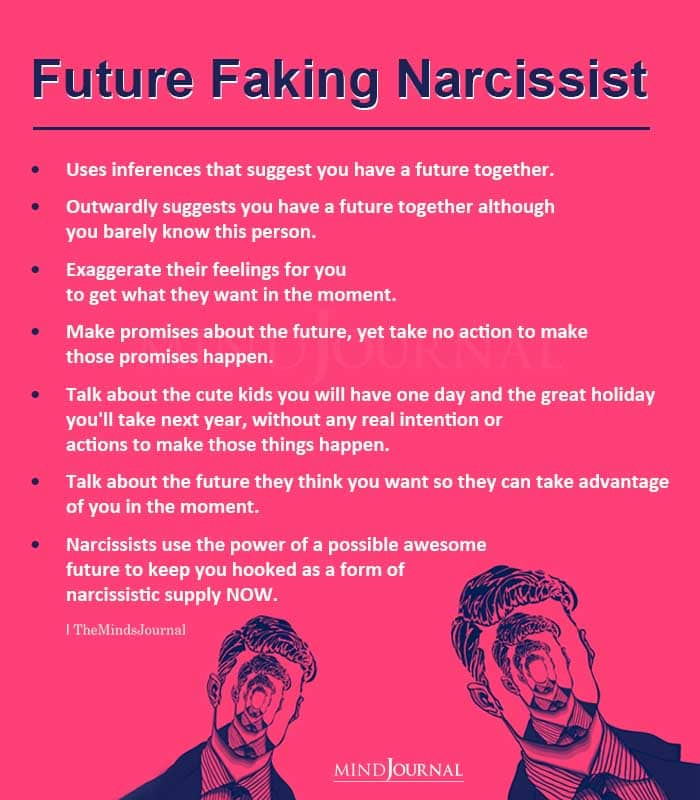
Is love really about promises, or has the game shifted to something far more deceptive, cloaked in allure and drenched in empty vows? For years, countless women have found themselves ensnared in what seems like a beautiful dream — a partner painting not their present, but an enticing future. Yet, when tomorrow arrives, the canvas is blank, and the elaborate picture was nothing but smoke and mirrors. Welcome to the unsettling phenomenon of future faking, a dating trend women are finally unmasking and reclaiming their narratives from.
What Is Future Faking? A Mirage of Tomorrow
Future faking is no mere slip of tongue or innocent wishful thinking. It is a premeditated performance, a confident declaration about an idealized future crafted deliberately to hook, hold, and manipulate. The promise of travel, marriage, children, or a shared life on some idyllic horizon becomes a siren’s song. Yet, behind these grandiose declarations hides a troubling reality: the future is never intended to materialize.
This tactic preys on genuine emotional investment. It exploits hope and desire. Women, often socialized to prioritize relational commitment, find themselves caught off-guard by exuberant plans that dissolve into vapor. This trend is not only about personal heartbreak but also reflects deeper societal norms that allow such deceit to flourish undetected and unchallenged — until now.

The Psychological Web: Why Future Faking Is So Captivating
What makes future faking so disorienting is its anchor in psychological manipulation. It taps into fundamental human needs: security, hope, connection. These promises of a radiant future become bait, a hook treaded behind a veil of affection and charm. The perpetrator leverages a potent cocktail of charisma and calculated words to forge bonds that feel immediate and concrete.
At its core, future faking exploits the tension between certainty and uncertainty that inhabits all romantic entanglements. The promise of a better tomorrow keeps the present in suspension — no need to critique or question when tomorrow holds all the answers. It’s a psychological gambit designed to disarm vigilance, fostering an intoxicating blend of anticipation and dependence that stifles skepticism and defers confrontation.
Recognizing the Red Flags: When Beautiful Promises Turn Toxic
The challenge often lies in distinguishing hopeful planning from toxic future faking. Genuine relationships dream together—the difference is in consistency and follow-through. Future faking characteristically presents with grandiose promises paired with stark incongruities in current behavior. The partner might lavish affectionate words during moments of vulnerability but evade commitments when accountability calls.
Are the “plans” perpetually nebulous? Is there a pattern of making declarations in emotionally charged contexts only to recant or stall later? Do you feel draining emotions, oscillating between elation about the future and frustration about the present? These are telltale signs. Recognizing them is the first act of reclamation, a refusal to be ensnared by illusions masked as love.

Why Has Future Faking Flourished in Modern Dating?
In an era dominated by rapid connection yet hollow depth, future faking has become a pernicious tool in the dating arsenal. Social media, dating apps, and the culture of instant gratification prime many for rapid emotional involvement without the rigors of tested intimacy. The pressure to “progress” relationships swiftly offers fertile ground for future faking to thrive.
Moreover, entrenched gender expectations contribute. Women are often socialized to invest emotionally early, to nurture hope and maintain patience. Future faking capitalizes on these norms, weaponizing societal advantages into manipulation. The widening gap between verbal promises and actual deeds exposes a fracture in communication norms, where words seduce but actions betray.
This trend unearths a larger dialogue: the tension between vulnerability and power in romantic dynamics. Future faking is at once a symptom and a statement — a call to dismantle the scripts that allow such disparities to persist.
The Impact: Emotional Erosion and the Road to Healing
The fallout from future faking is not trivial. Women report feeling fragmented — a mixture of self-doubt, betrayal, and grief compounded by the confusion of false hope. Emotional erosion leads to trust issues that bleed into future relationships, casting long shadows on a woman’s ability to engage fully and freely.
Healing demands a conscious confrontation of the past and a commitment to assertion in the present. Rebuilding involves re-centering one’s worth outside of empty promises and reclaiming autonomy over one’s emotional landscape. Communities of support and growing awareness empower women to transform experiences of deception into lessons of resilience and fierce clarity.

Calling Out The Culture: Why Silence No Longer Serves
The emergence of candid conversations around future faking signals a broader feminist awakening. It challenges the normalization of subtle and overt manipulations that disproportionately affect women in dating. It demands accountability, not just from individuals but from the cultural frameworks that enable it.
No longer will sugary promises serve as acceptable currency in romantic dealings. The onus is on all to cultivate transparency, respect, and authenticity. This movement pushes back against narratives that excuse emotional exploitation as “part of the game,” instead positioning honesty as revolutionary.
Women are wielding their voices as weapons — exposing future faking as a grotesque betrayal of trust and a distortion of love’s true promise. This reckoning invites a reimagination of relationships grounded not in illusions, but in mutual respect, consistency, and genuine partnership.







Leave a Comment