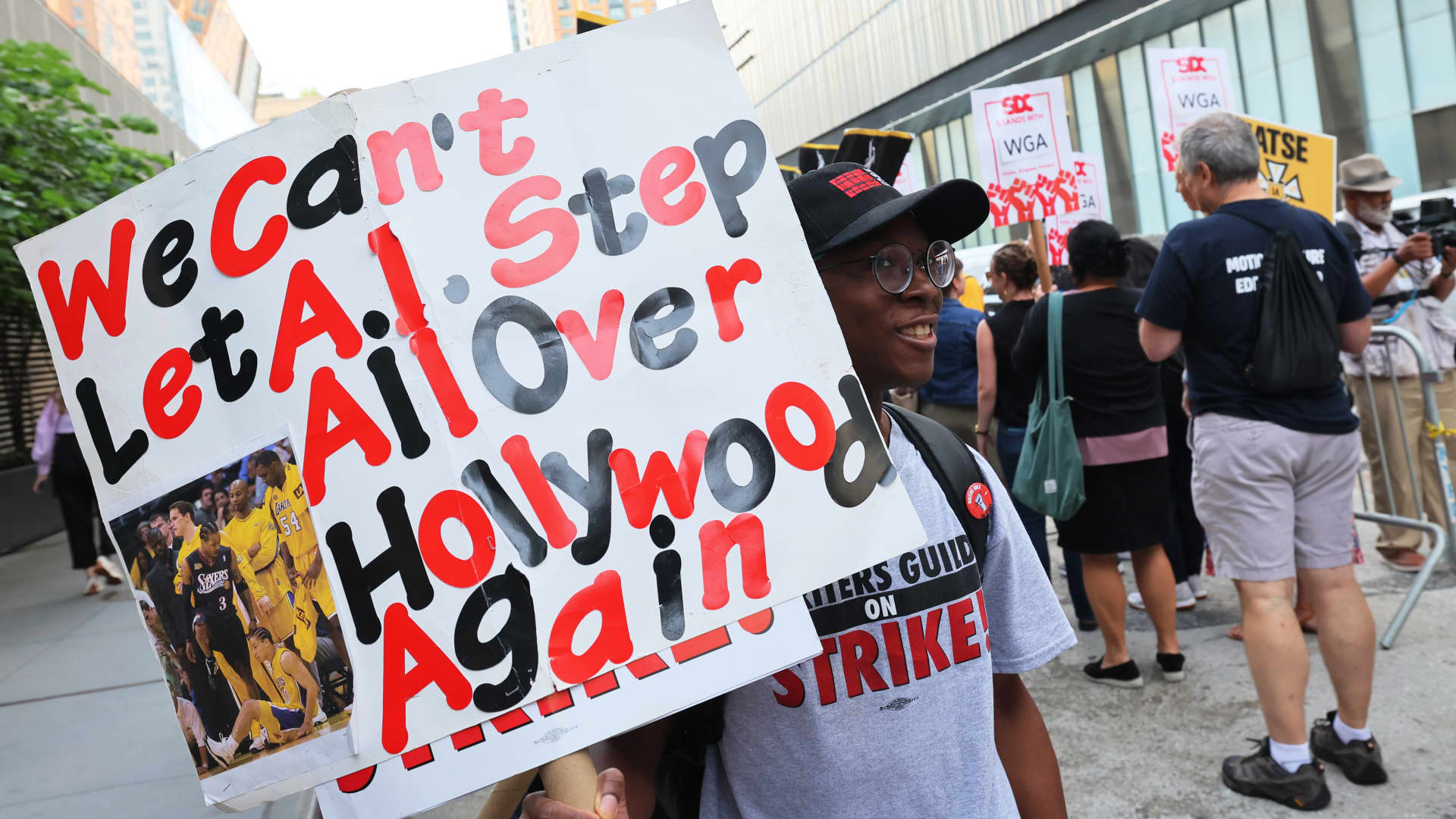
In the relentless hustle of today’s working world, a radical principle can shatter expectations and ignite unprecedented success: the refusal to engage in free labor. While unpaid work has long been an unspoken rite of passage across industries—especially for women—the audacity to declare “no more” reverberates beyond personal boundaries. This story is not simply about a policy. It traces the ripples of a rebellion against ingrained exploitation, illuminating the undercurrents that keep many professionals, particularly women, tethered to cycles of invisibility and undervaluation. The fascination with this defiant stand reveals far more than surface-level rebellion: it exposes a tectonic shift in how labor, recognition, and power intersect in an often merciless marketplace.
The Unseen Chains of Unpaid Labor
Unpaid labor lurks everywhere—in internships, in extra hours, in volunteer committees—hallmark signifiers of commitment but also signifiers of exploitation. Women, time and again, find themselves disproportionately shackled by this invisible yoke. It is often cloaked as “opportunity,” a strategic sacrifice necessary for future reward. Yet, this Faustian bargain rarely pays off as promised. Instead, it perpetuates a cycle of dilution—of time, talent, and self-worth—without tangible recompense or recognition.
The creation of a no free labor policy is an unvarnished confrontation with this status quo. It is the refusal to be a cog sacrificed in the machinery of undervalued work. It sparks a conversation not only about equity but about the very economics of labor. Why do so many accept it? Because it feels safer. The fear of exclusion is a powerful silencer, muting resistance and feeding the myth that free labor builds foundations. But foundations built on unpaid work invariably collapse under the weight of dissatisfaction, burnout, and stagnation.
Defining the No Free Labor Policy: More Than Just a Rule

Implementing a no free labor policy entails more than just declining unpaid tasks. It is a deliberate declaration that one’s time, skills, and contributions warrant remuneration or clear developmental value. This policy aligns work with boundaries that protect professional integrity and demand accountability from employers, colleagues, and collaborators alike.
It dismantles expectations embedded in workplace culture that often treat labor—as especially women’s labor—as inherently generous and therefore selfless. Such assumptions obscure exploitation under a veil of normalcy and benevolence. A no free labor policy punctures this veil, demanding that labor relations be transparent, equitable, and just.
The Magnetic Pulse of Career Ascendance
Breaking free from free labor unearths a paradox: career acceleration that defies conventional wisdom. Initially, the policy may appear disruptive, even isolating. But as boundaries crystallize, the professional ecosystem adapts. Colleagues begin to recognize genuine value; managers reconsider workflow allocations; opportunities arise bearing clear veins of fairness and respect.
Failure to comply with the policy effectively forces the hands of leadership to optimize resource deployment and rethink inclusion. This recalibration often results in more meaningful projects, leadership invitations, and mentorship avenues for those who assert their boundaries. Career growth is no longer a matter of endurance or invisibility but of strategic empowerment buttressed by tangible recognition.
The Feminist Undercurrents: Challenging a Gendered Double Standard

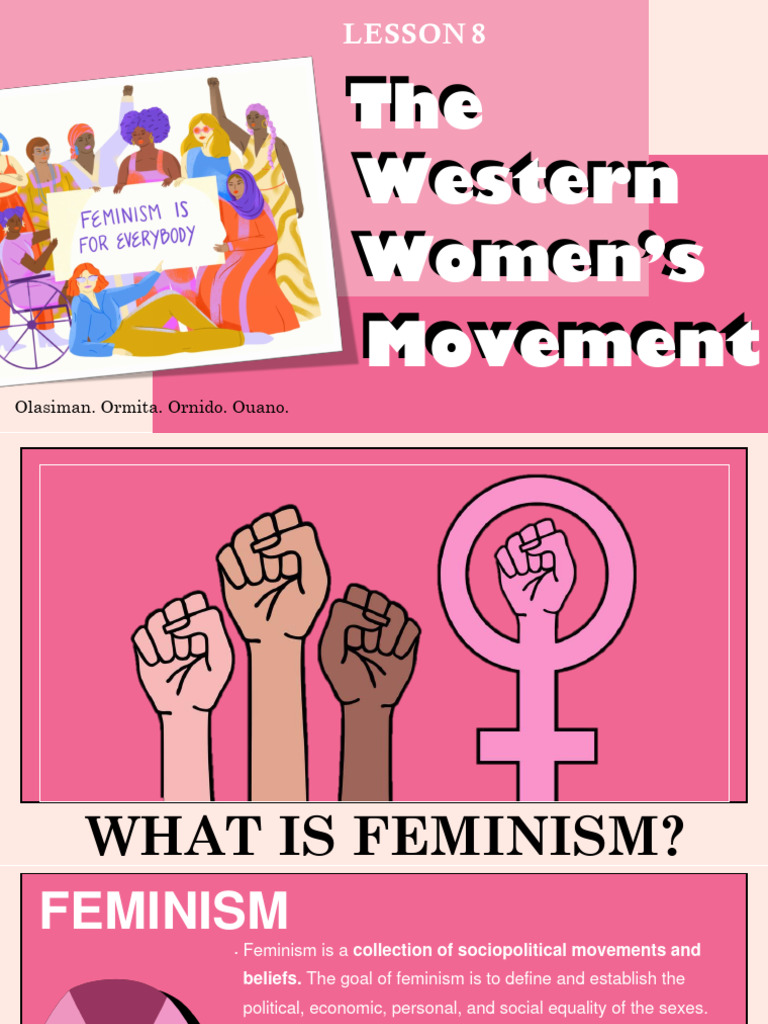
This narrative is deeply woven with the threads of feminist critique. Women’s labor—historically and contemporaneously—has been undervalued, often subsumed under familial or societal expectations of sacrifice and care. The normalization of unpaid tasks, particularly in professional spaces, is gendered, signifying an invisible economic disparity.
The refusal to perform free labor disrupts this dynamic, serving as a feminist act of resistance and self-determination. It contests the systemic marginalization that brands women’s contributions as incidental or supplemental. Moreover, it undermines patriarchal frameworks that thrive on unpaid or undercompensated work as a means to suppress equity and maintain hierarchies.
Reshaping Work Culture: The Ripple Effect
The legacy of embracing a no free labor stance extends beyond the individual. It catalyzes institutional shifts. Once this stance permeates an organization or industry, it precipitates wider conversations about fairness, boundaries, and respect. Policies evolve, mentorship transforms, and networks strengthen around principles that valorize labor appropriately.
Such cultural metamorphosis requires courage and perseverance. It challenges deeply ingrained, often unspoken norms and forces stakeholders to reevaluate their complicity in exploitative labor practices. Over time, this reshaping nurtures environments where value is explicit, and opportunity is equitably distributed—not predicated on unpaid generosity or endurance.
The Broader Implications: Labor, AI, and the Future
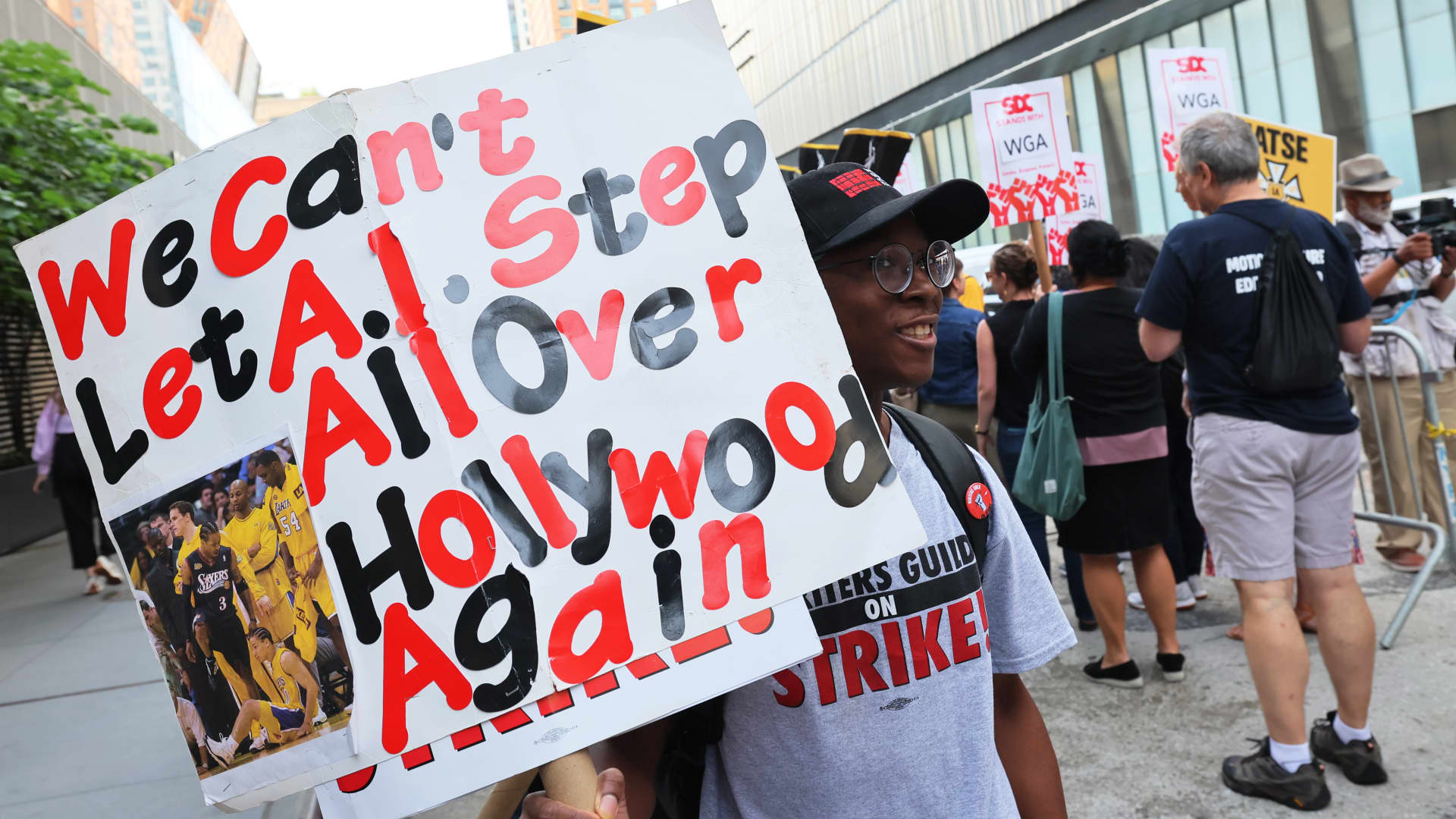
The zeitgeist of work transformation is also colored by the inexorable rise of artificial intelligence and automation. Labor paradigms are being disrupted on unprecedented scales, and the value of human effort is under continuous reexamination.
A no free labor policy anticipates this seismic shift. It reinforces the principle that labor—human labor—is precious and should be protected and compensated, regardless of technological innovations. As AI redefines job types and workflows, human labor must negotiate its worth with renewed clarity and assertiveness.
In rejecting unpaid labor, individuals stake a claim in shaping a future workforce that prizes fairness and rejects archaic exploitations. The policy, therefore, is not merely personal but prophetic.
Conclusion: The Unspoken Revolution of Saying No
The fascination with a no free labor policy and the spectacular career surge that follows stems from the discomfort it exposes and the hope it ignites. It is a disruption of complacency, a challenge to harmful traditions, and above all, a declaration of worth that ripples through systems and expectations alike. The story of this policy is a microcosm of broader struggles for recognition, dignity, and equity in work—a testament to the power of saying “no” as the fiercest act of self-respect and revolution.






Leave a Comment