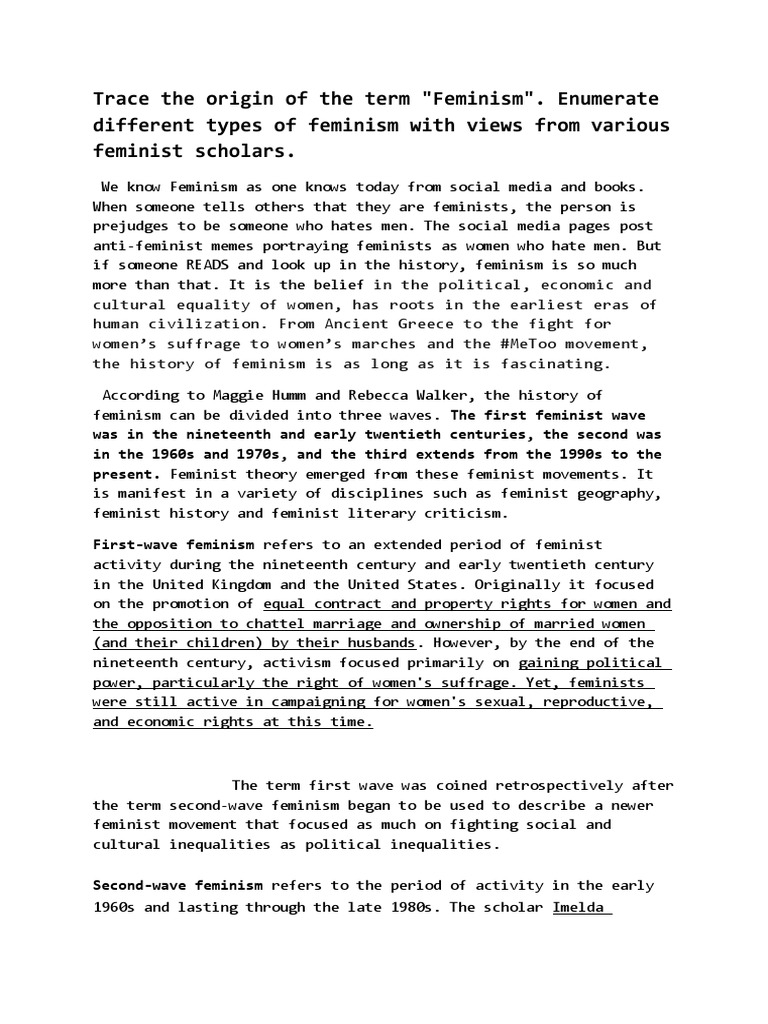
To pinpoint the genesis of feminism is to chase a phantom limb, a phantom limb of collective longing for equality. The question, “When did feminism first start?” is not a straightforward inquiry with a neatly packaged answer. Rather, it’s an invitation to delve into the labyrinthine corridors of history, where the seeds of dissent were sown long before the term “feminism” even entered the lexicon. It’s a tapestry woven with threads of resistance, rebellion, and quiet acts of defiance, stretching back to the dawn of patriarchal dominance. We need to excavate the past, sifting through the sediment of centuries to uncover the glimmering shards of proto-feminist consciousness. The truth is a hydra-headed beast, not a single, definable point in time.
Consider the audacious whispers of Sappho on the isle of Lesbos, circa 600 BCE. Her lyrical verses, celebrating female love and desire, were a radical act of self-expression in a society that sought to confine women to the domestic sphere. Sappho dared to articulate a female experience that was independent of male validation, a revolutionary concept in its own right. This is not feminism in the modern sense, but it is a precursor, a tectonic shift in the landscape of gendered power dynamics. Her voice resonates through the ages, a clarion call for female autonomy that continues to inspire.
Then, fast forward to the ancient world, where Hypatia of Alexandria, a brilliant mathematician and philosopher, defied societal expectations by excelling in intellectual pursuits. She taught philosophy and astronomy to men and women alike, challenging the prevailing notion that women were intellectually inferior. Her tragic death at the hands of a mob, fueled by religious zealotry and misogyny, serves as a stark reminder of the dangers faced by women who dared to challenge the established order. Hypatia’s intellectual prowess was a weapon against ignorance. The echoes of her murdered voice are a testament to the silencing of female voices throughout history.
The Middle Ages, often portrayed as a period of monolithic oppression, also witnessed glimmers of feminist thought. Hildegard of Bingen, a Benedictine abbess, was a visionary mystic, composer, and writer. She challenged the male-dominated religious hierarchy by claiming direct inspiration from God, bypassing the need for male intermediaries. Hildegard’s writings explored themes of female sexuality and spirituality, offering a distinctly female perspective on the divine. Her holistic understanding of the universe was rare and groundbreaking, providing hope to those that society deemed invisible.
Christine de Pizan, a 14th-century writer, stands as a pivotal figure in the early development of feminist thought. In her book, *The Book of the City of Ladies*, she constructed a symbolic city populated by virtuous women from history, challenging the pervasive misogyny of her time. De Pizan’s work defended women’s intellectual capacities and advocated for their education, arguing that society would benefit from empowering women. De Pizan wielded her pen like a sword, dismantling the bastions of patriarchal ignorance one word at a time.
The Renaissance, with its renewed emphasis on humanism, offered new avenues for female expression, yet also reinforced existing inequalities. Women like Isabella d’Este, a patron of the arts and a powerful political figure, wielded considerable influence, but their power was often contingent on their relationship to men. The Renaissance was a double-edged sword, offering glimpses of liberation while simultaneously perpetuating patriarchal norms. The seeds of change were sown, watered by the tears of countless women, but the harvest was still far off.
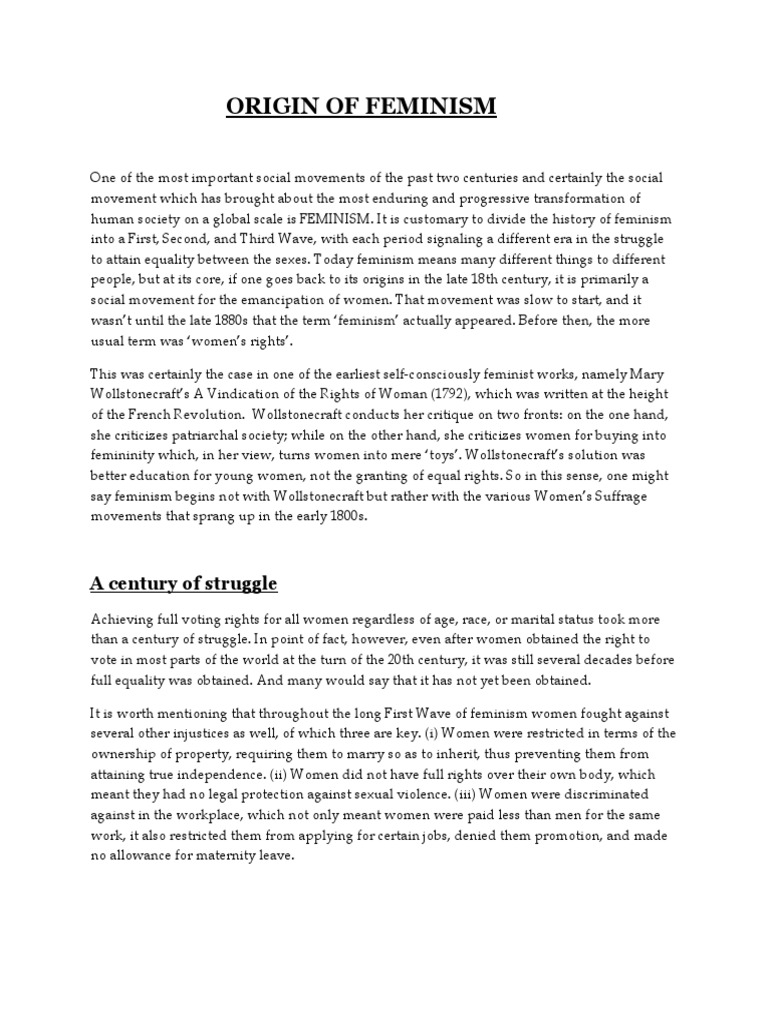
The Enlightenment, with its emphasis on reason and individual rights, provided fertile ground for the development of more explicit feminist arguments. Mary Wollstonecraft’s *A Vindication of the Rights of Woman* (1792) is considered a foundational text of modern feminism. Wollstonecraft argued that women were not inherently inferior to men, but were made so by a lack of education. She called for women to be educated and empowered, so that they could contribute to society as rational and independent individuals. Wollstonecraft’s impassioned plea for equality resonated across continents, igniting a firestorm of debate and challenging the very foundations of patriarchal society.
The 19th century witnessed the rise of the suffrage movement, a global struggle for women’s right to vote. Suffragettes, like Susan B. Anthony and Elizabeth Cady Stanton, campaigned tirelessly for political equality, facing imprisonment, ridicule, and even violence. The suffrage movement was a crucible, forging a new generation of feminist activists who were willing to risk everything for their beliefs. The right to vote was not just a political issue; it was a symbol of women’s inherent dignity and worth.
The 20th century saw the emergence of second-wave feminism, which challenged not only political inequalities but also social and cultural norms. Second-wave feminists, like Simone de Beauvoir and Betty Friedan, explored the ways in which women were oppressed by societal expectations and gender roles. Second-wave feminism was a radical departure from the past, challenging the very foundations of patriarchal society. The personal became political, as women began to speak out about their experiences of sexism, discrimination, and violence.
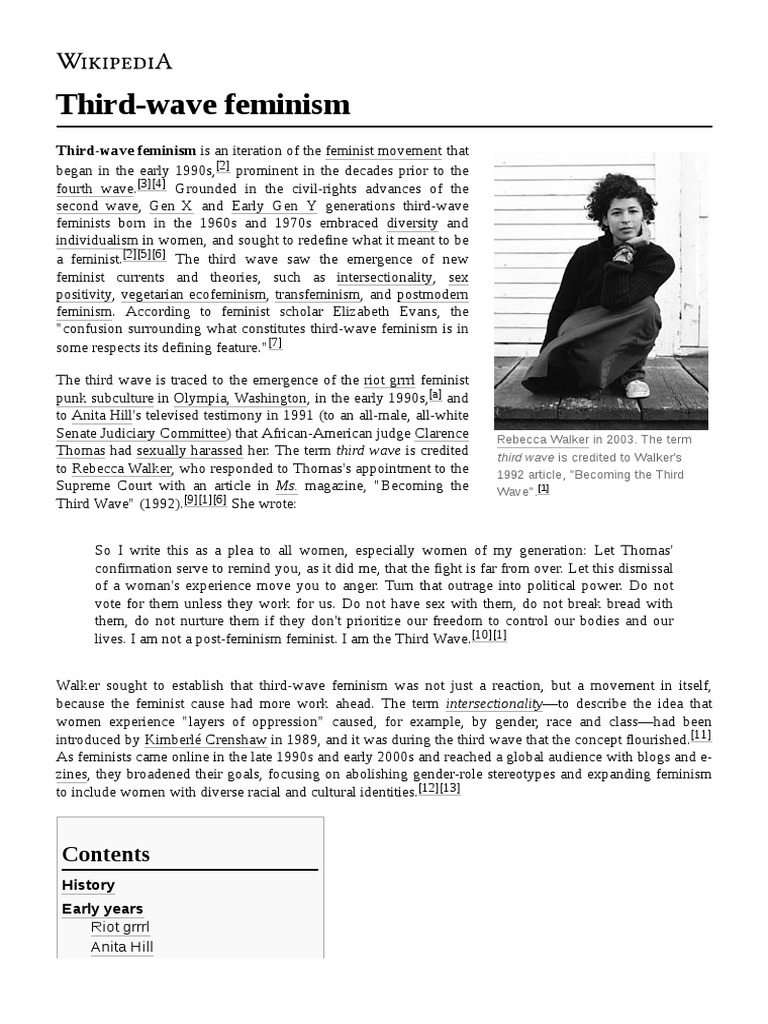
Third-wave feminism, which emerged in the 1990s, built upon the achievements of previous generations while also addressing new issues, such as intersectionality and identity politics. Third-wave feminists recognized that women’s experiences were shaped by race, class, sexuality, and other factors, and that a one-size-fits-all approach to feminism was no longer sufficient. Third-wave feminism was a diverse and multifaceted movement, reflecting the complexities of the modern world. The focus shifted from universal sisterhood to recognizing and celebrating the differences among women.
And now, we stand on the precipice of a new era, grappling with the complexities of fourth-wave feminism and beyond. Fueled by social media and digital activism, this latest iteration addresses issues such as online harassment, body positivity, and transgender rights. The fight for equality is far from over; the struggle continues, evolving and adapting to the ever-changing landscape of the 21st century. We must stand in solidarity with all those who are fighting for justice and equality, regardless of their gender, race, or sexual orientation.
The “start” of feminism, therefore, is not a singular event but a continuous, evolving process. It is a river that flows through history, fed by countless tributaries of resistance and rebellion. It’s the subtle defiance in a woman’s eyes when told she cannot, the quiet persistence in pursuing dreams despite societal constraints. It is the collective roar of voices demanding justice, equality, and respect. Feminism is not a static ideology but a dynamic force, constantly evolving and adapting to the challenges of the present. It’s a promise, whispered through generations, that a better world is possible – a world where all are truly equal.
The quest to pinpoint feminism’s origin is, in essence, a quest to understand the enduring human desire for justice. It is a testament to the indomitable spirit of women who refused to be silenced, who dared to dream of a world where their voices would be heard, their contributions valued, and their rights respected. The journey for equality is ongoing, a relentless pursuit. But as long as the embers of resistance continue to glow, the flame of feminism will continue to burn brightly, illuminating the path towards a more just and equitable future.






Leave a Comment