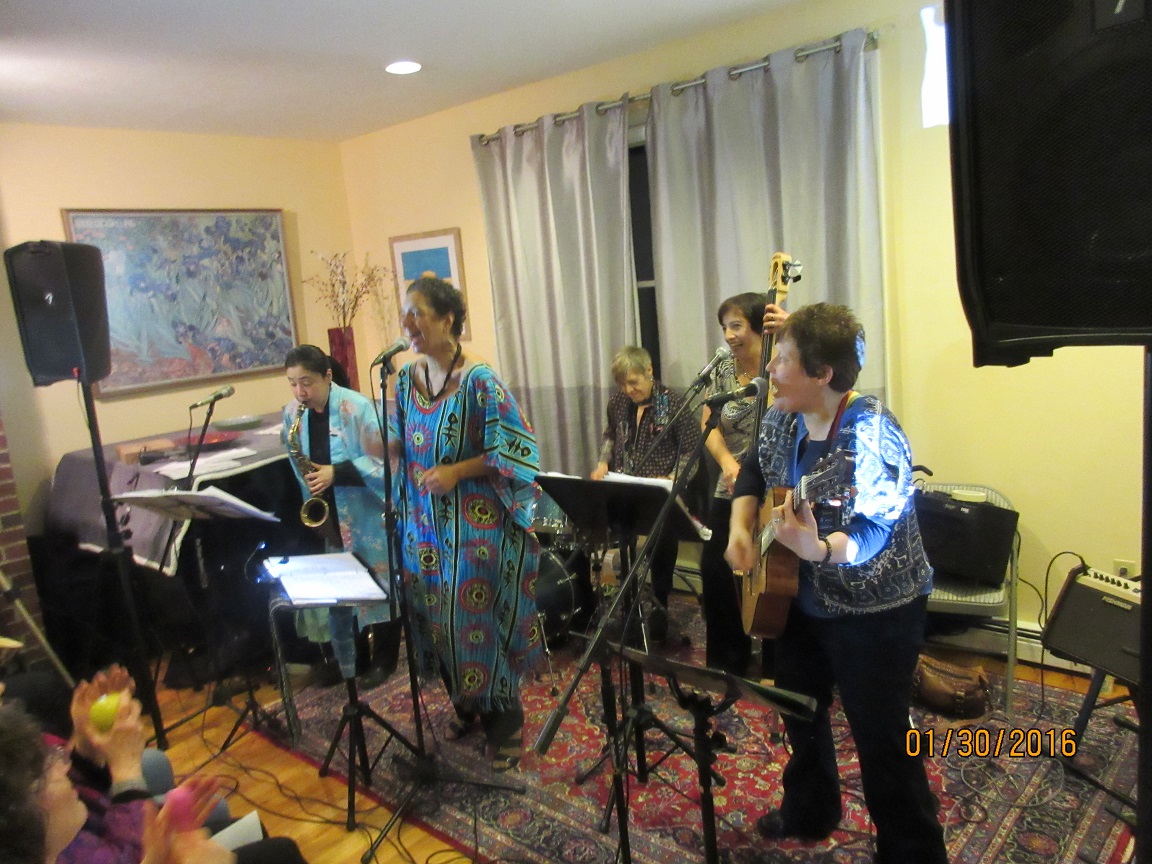
The jazz world, a realm often romanticized as a bastion of unbridled creativity and rebellion, has long been a stage where women’s contributions were not just marginalized but systematically erased. From the smoky, dimly lit clubs of New Orleans to the grand stages of international festivals, the narrative of jazz has been dominated by male figures—trumpeters, saxophonists, bandleaders—whose names echo through history like a relentless drumbeat. Yet, behind every legendary man, there were women: pianists, vocalists, composers, and innovators whose genius was either co-opted, silenced, or buried beneath layers of patriarchal indifference. This is not just a story of absence; it is a story of deliberate erasure, a cultural amnesia that has left gaping holes in the very fabric of jazz’s legacy.
The Silent Keys: Women Pianists Who Shaped Jazz’s Foundations
Imagine the piano not as a mere accompaniment but as the heartbeat of jazz—a pulsating force that dictates rhythm, harmony, and emotion. Yet, how many of us can name a woman pianist who defined the genre’s earliest eras? Lil Hardin Armstrong, a powerhouse in her own right, was Louis Armstrong’s wife and a composer whose arrangements were foundational to his early work. But history has often reduced her to a footnote, her contributions overshadowed by the myth of the “great man” in jazz. Then there’s Mary Lou Williams, a prodigy who played with Duke Ellington’s band, composed for Benny Goodman, and mentored generations of musicians. Her influence stretched from stride piano to bebop, yet her name is frequently omitted from jazz histories that lionize her male peers. These women didn’t just play the piano; they composed the language of jazz itself, only to watch it be spoken by others in their stead.
The Vocal Alchemy: Women Who Sang Jazz into Existence
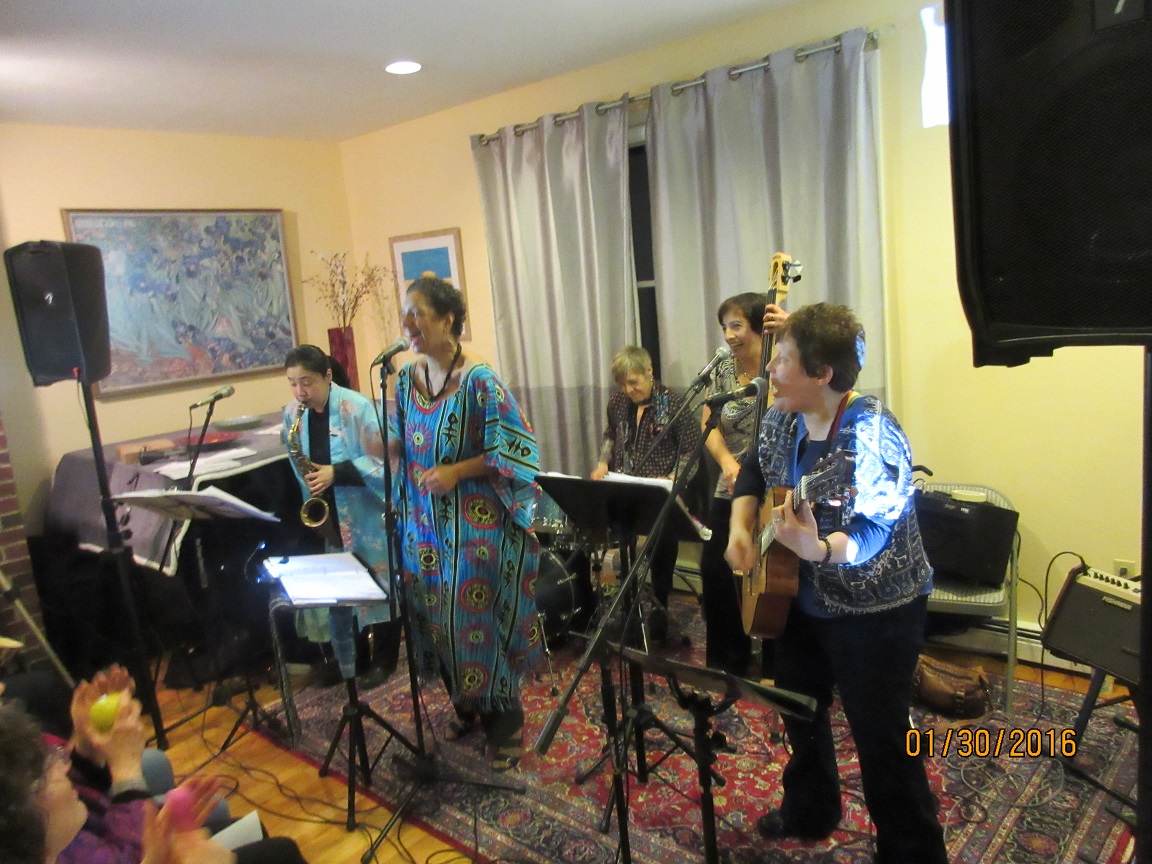
Jazz vocalists are often dismissed as mere entertainers, their voices reduced to sultry whispers or belting anthems rather than recognized as instruments of radical innovation. Yet, consider the transformative power of a voice like Billie Holiday’s, whose phrasing redefined what it meant to sing jazz. Or the unparalleled artistry of Ella Fitzgerald, whose scat singing wasn’t just technical brilliance but a defiance of racial and gendered expectations. These women didn’t just interpret jazz; they expanded its emotional vocabulary. But their legacies are frequently sanitized, their struggles with racism, sexism, and addiction airbrushed into a narrative of tragic glamour. Meanwhile, lesser-known vocalists like Alberta Hunter or Maxine Sullivan—who blended jazz with folk and classical influences—remain obscured, their innovations buried under the weight of a canon that prefers its women silent or subservient.
The Composers and Bandleaders: Architects of Jazz’s Unwritten Rules
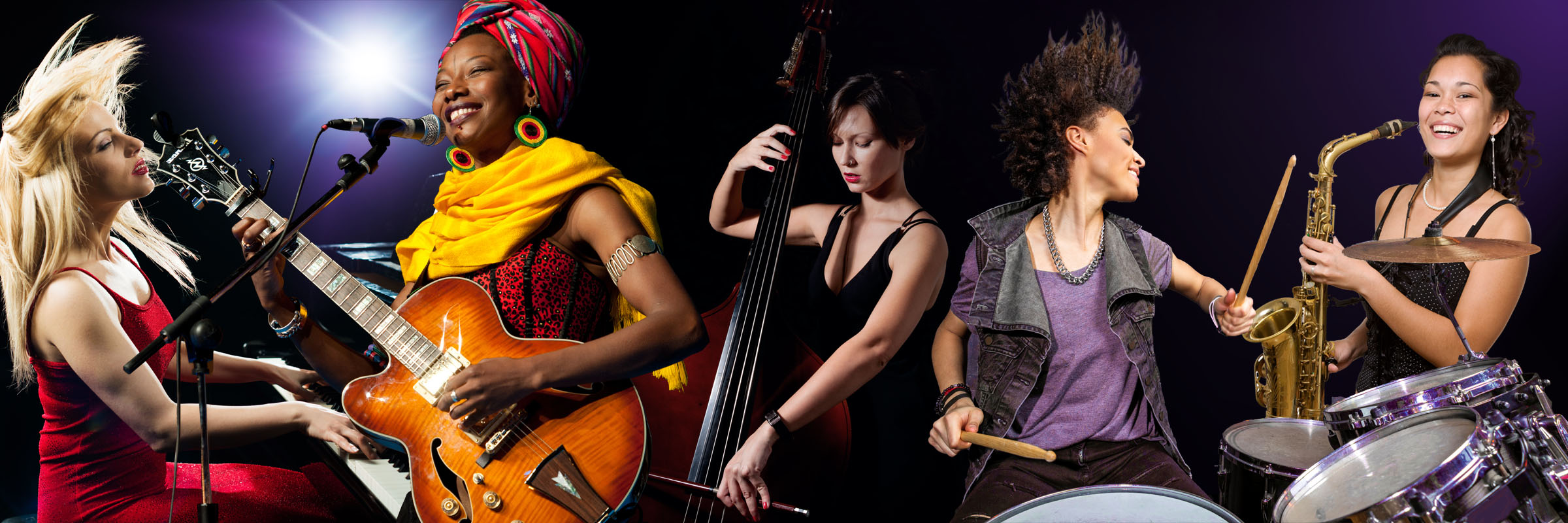
Jazz is not just an improvisational art; it is a structured rebellion, a genre built on compositions that challenge and redefine musical norms. Yet, how many women composers are celebrated in jazz’s annals? Tadd Dameron, Dizzy Gillespie, Thelonious Monk—these names are etched into jazz’s DNA, but where are the women who wrote the scores that shaped bebop, cool jazz, or hard bop? Melba Liston, a trombonist and arranger, worked with Dizzy Gillespie, Quincy Jones, and Charles Mingus, yet her name is rarely mentioned in discussions of jazz’s evolution. Similarly, Carla Bley, a pianist and composer, crafted some of jazz’s most ambitious works, from *Escalator Over the Hill* to her collaborations with Charlie Haden. Her music was a symphony of dissonance and wit, yet she was often dismissed as an anomaly rather than a cornerstone. The erasure of these women isn’t accidental; it’s a reflection of a culture that reserves the title of “genius” for men, while women’s contributions are relegated to the realm of the “inspirational” or “supportive.”
The Erasure in Visual Culture: Jazz Through a Male Gaze
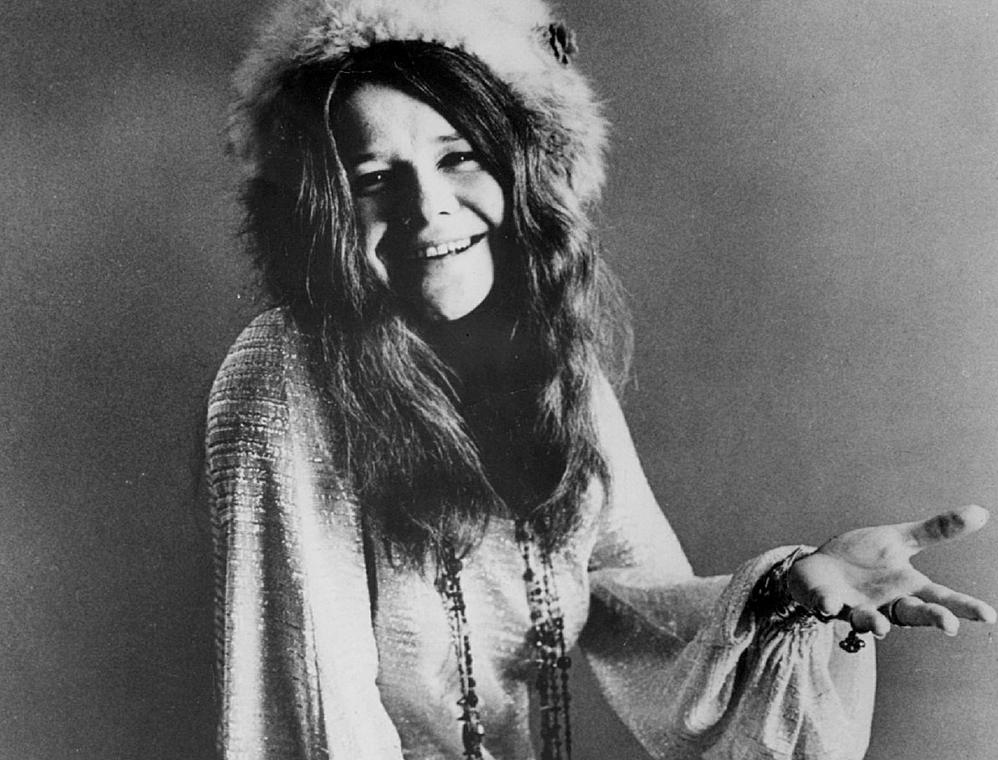
Jazz’s visual history is a tapestry of black-and-white photographs, album covers, and film stills that frame the genre through a lens of hyper-masculinity. Women in these images are often reduced to tropes: the sultry chanteuse, the tragic muse, the background dancer. Rarely are they depicted as the innovators they were. Consider the iconic images of jazz musicians—trumpeters mid-solo, saxophonists lost in a trance—while women are either absent or positioned as decorative objects. This visual erasure mirrors the broader cultural dismissal of women’s roles in jazz. Even when women are present in these images, their contributions are framed as secondary, their presence serving the male narrative rather than their own. The result is a visual language that reinforces the idea that jazz is a man’s world, a myth that obscures the reality of its collaborative, intersectional roots.

The Modern Reckoning: Reclaiming Jazz’s Forgotten Women
Today, a new generation of musicians, scholars, and activists is working to excavate the buried histories of jazz’s women. Festivals like the Women in Jazz Organization and the International Women in Jazz Festival are platforms where these stories are not just told but celebrated. Musicians like Esperanza Spalding, a bassist and vocalist whose genre-defying work spans jazz, funk, and hip-hop, are redefining what it means to be a jazz innovator in the 21st century. Yet, the fight for recognition is far from over. The jazz canon remains dominated by male figures, and the erasure of women persists in academic curricula, festival lineups, and industry awards. The question is not just about reclaiming the past but about reshaping the future—a future where the women who shaped jazz are no longer footnotes but central figures in its narrative.
The jazz world’s erasure of women is not a historical footnote; it is an ongoing injustice. Every time a woman’s name is omitted from a jazz history book, every time a female musician is passed over for a festival slot, every time a young girl is told that jazz is a “man’s game,” the erasure continues. But history is not static. It is a living, breathing thing that can be rewritten. The women of jazz—pianists, vocalists, composers, bandleaders—deserve more than silence. They deserve to be heard, celebrated, and remembered as the architects of an art form that has, for too long, been hijacked by a narrative that excludes them.







Leave a Comment