What if feminism, that relentless force of social upheaval, were not a bug in the system—but a feature? A glitch in the matrix that the tech bros insist on patching, rebooting, and “optimizing” until it fits neatly into their silicon dreams? The irony is delicious: a movement that demands equity is treated like a rogue algorithm, something to be debugged rather than celebrated. Welcome to the world where feminist thought is not just unwelcome in tech culture—it’s seen as a disruption, a vulnerability, a flaw in the code of progress.
The Illusion of Neutrality: When Algorithms Pretend They’re Not Biased
Tech bros love to talk about “neutrality.” Neutral data. Neutral AI. Neutral platforms. But neutrality, in their world, is a myth—a carefully curated facade that obscures the very real biases baked into every line of code. Feminism, with its insistence on interrogating power structures, is the ultimate disruptor to this illusion. It refuses to accept that a system designed by and for a homogeneous elite can ever be truly impartial. When a tech CEO declares that his company’s hiring practices are “meritocratic,” feminism laughs in the face of that delusion. Meritocracy, after all, is just another word for “we’ll hire people who look and think like us.”
The challenge? Convincing the gatekeepers that their neutrality is a lie. That their algorithms, trained on biased datasets, perpetuate harm. That their “objective” tools are anything but. The tech bro response? “Fix the bug.” But what if the bug isn’t in the system—what if the system itself is the problem?
The Brogrammer’s Guide to Feminism: A Half-Baked Patch
Enter the brogrammer’s approach to feminism: a series of performative gestures, half-hearted initiatives, and hollow PR stunts designed to placate critics without addressing systemic change. “Diversity hires”? A band-aid on a gaping wound. “Women in tech” panels? A way to signal virtue without dismantling the boys’ club. The tech industry’s flirtation with feminism is less a commitment and more a transaction—something to be checked off a list before returning to the real work of building the next unicorn.
Consider the language they use: “inclusion” instead of “equity.” “Representation” instead of “justice.” “Empowerment” instead of “liberation.” These are not solutions; they are distractions. They allow the tech elite to pat themselves on the back while the same power structures remain intact. The challenge? Exposing the emptiness of these gestures. The real work isn’t about adding women to the room—it’s about burning the room down and rebuilding it from scratch.
The Silicon Valley Savior Complex: When Feminism Becomes a Product
Tech bros don’t just dismiss feminism—they commodify it. Feminism, in their hands, becomes a marketing tool, a way to sell apps, platforms, and gadgets to a demographic they’ve long ignored. “Feminist tech” is a trend now, a buzzword to slap onto a product to make it seem progressive. But progress isn’t a feature you can toggle on and off. It’s not a checkbox on a funding round. It’s a revolution.
The challenge? Resisting the urge to let capital co-opt the movement. To remember that feminism isn’t a product to be monetized—it’s a demand for justice. The moment we let Silicon Valley turn liberation into a subscription service, we’ve already lost. The real work isn’t building a “feminist app.” It’s dismantling the systems that make such apps necessary in the first place.
The Myth of the “Disruptive” Feminist: Why Tech Loves to Co-opt Rebellion
Tech culture loves rebels—until they start asking for real change. The tech bro’s favorite feminist is the one who smiles, nods, and stays in her lane. The one who doesn’t challenge the status quo too aggressively. The one who’s “disruptive” in a way that’s safe, palatable, and ultimately meaningless. But true feminism isn’t disruptive in a way that can be contained. It’s a force that refuses to be tamed, a movement that doesn’t ask for permission to exist.
The challenge? Refusing to play by their rules. To stop asking for a seat at the table and instead burn the table to the ground. The tech industry doesn’t want revolutionaries—it wants compliant participants. But compliance is the enemy of progress. The real question isn’t how to make feminism fit into tech culture. It’s how to make tech culture fit into feminism.
The Uncomfortable Truth: Tech’s Feminist Problem Isn’t a Bug—It’s a Feature
Here’s the uncomfortable truth: the tech industry’s resistance to feminism isn’t a bug in the system. It’s a feature. It’s how the system was designed. To exclude. To marginalize. To hoard power. Feminism, with its insistence on equity and justice, is the antithesis of this design. It’s the virus that threatens to crash the entire operation.
The challenge? Accepting that the fight isn’t about fixing the system—it’s about destroying it. That the real work isn’t about making tech more feminist. It’s about making feminism the foundation of everything we build. The tech bros will keep trying to patch the “bug” of feminism. But the only real solution is to rewrite the code entirely.

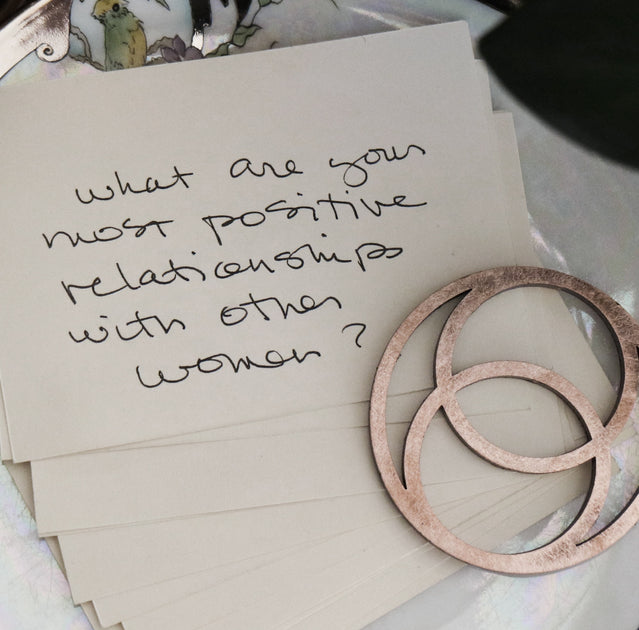
The image above captures the absurdity of the tech industry’s approach to feminism. One side sees a problem to be solved; the other sees a movement to be unleashed. The question isn’t whether feminism belongs in tech. The question is whether tech belongs in a world that demands justice.










Leave a Comment