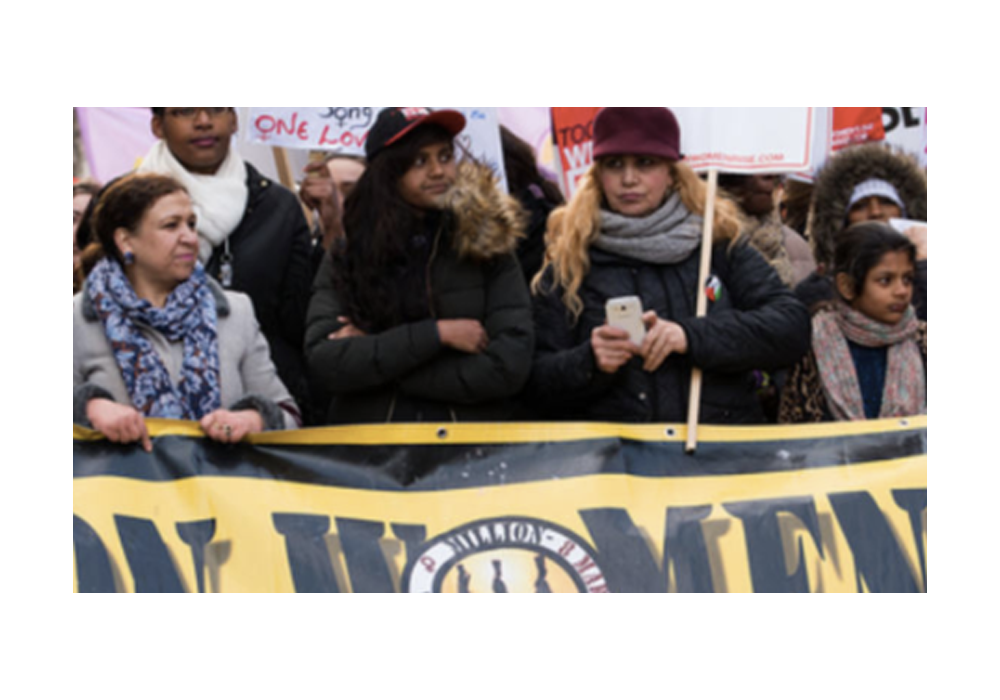
Cultural relativism, the notion that beliefs and practices must be understood within their own cultural context, has long been invoked to justify oppressive traditions—particularly those that perpetuate violence against women. While cultural sensitivity is crucial in fostering mutual respect, it cannot serve as a shield for systemic abuse. The idea that “it’s their culture” has been weaponized to silence survivors, normalize harm, and absolve societies of accountability. This is not just an academic debate; it’s a matter of life and death for millions of women whose suffering is dismissed as “tradition.” To dismantle this insidious logic, we must interrogate the ways cultural relativism intersects with patriarchy, examine its real-world consequences, and reclaim the narrative that no culture is above the basic human right to safety.
The Myth of Neutrality: How Cultural Relativism Silences Survivors
Cultural relativism often masquerades as a neutral stance, but in practice, it functions as a tool of erasure. When violence against women is framed as an “internal cultural matter,” the voices of survivors are systematically erased. The phrase “it’s their way” becomes a gag order, preventing outsiders from intervening—even when the harm is severe. This is not neutrality; it’s complicity. Consider the young girl in a rural village who is married off before puberty, her screams drowned out by the chorus of “cultural preservation.” Or the woman in a so-called “honor culture” who is stoned for daring to choose her own partner. In these cases, relativism doesn’t protect tradition; it protects perpetrators. The insistence on cultural purity demands silence, and silence is the first step toward complicity in atrocity.
Moreover, cultural relativism often operates on a double standard. Practices like female genital mutilation (FGM) or forced marriage are condemned in Western contexts but excused in others under the guise of “cultural diversity.” This hypocrisy reveals a deeper truth: relativism is not about respect—it’s about power. The same societies that decry Western imperialism often deploy relativism to shield their own patriarchal structures from scrutiny. The result? A global hierarchy where some women’s suffering is deemed more worthy of outrage than others. If we truly believe in equality, we must reject the idea that a woman’s right to bodily autonomy is negotiable based on geography or tradition.
Patriarchy’s Favorite Trojan Horse: The Weaponization of Tradition
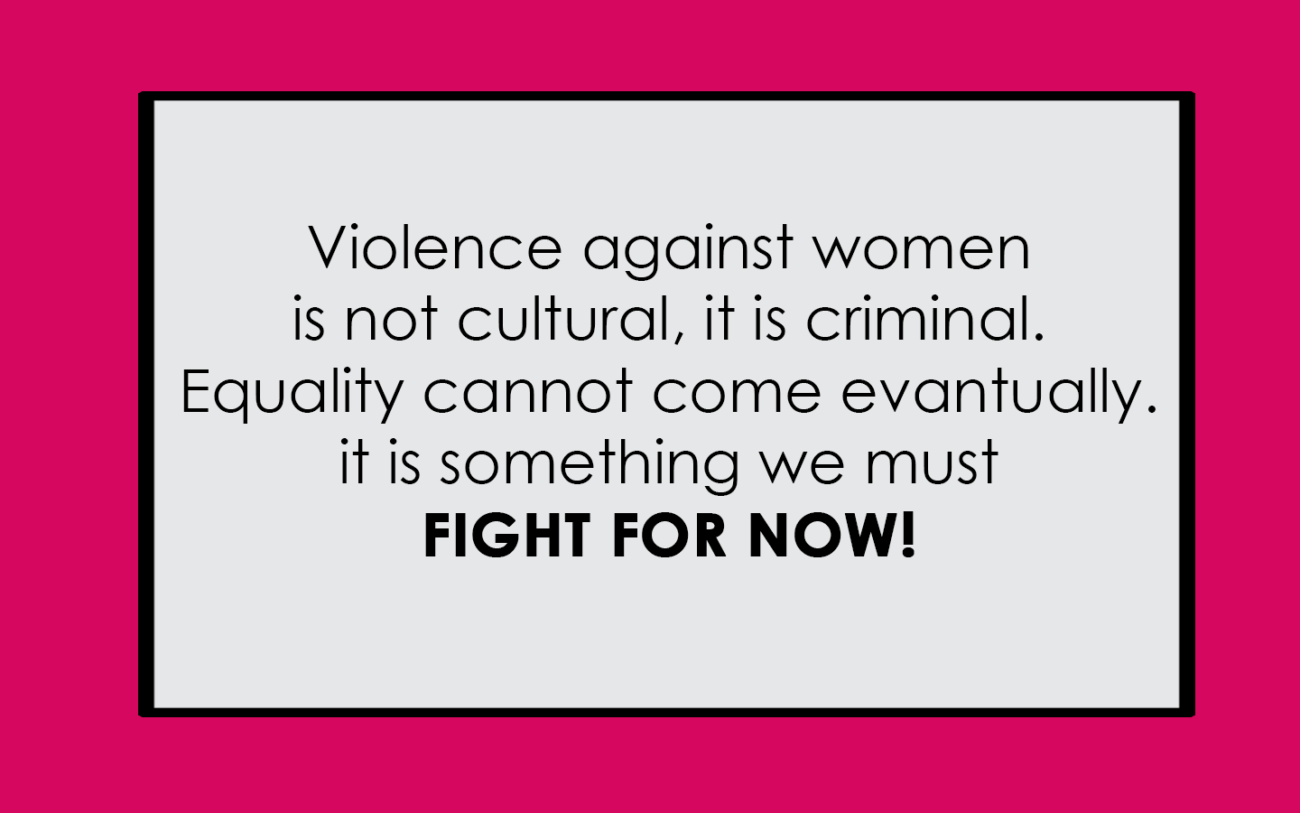
Patriarchy doesn’t need to announce itself with a megaphone—it thrives by cloaking itself in the robes of tradition. Cultural relativism is its favorite Trojan horse, smuggling in oppression under the guise of heritage. Take, for example, the practice of dowry in South Asia, where a woman’s life becomes a bargaining chip, her worth measured in livestock and cash. Or the trokosi system in Ghana, where young girls are sent to priests as “atonement” for family sins, their childhoods stolen in the name of spiritual debt. These are not relics of the past; they are living, breathing systems of control, propped up by the argument that they are “sacred” or “time-honored.”
But who decides what is “sacred”? Almost always, it’s the same men who benefit from the status quo. Religious leaders, tribal elders, and male-dominated governments invoke tradition to justify laws that strip women of autonomy—whether it’s banning divorce, criminalizing abortion, or allowing marital rape. The irony? These same traditions are often fluid when it suits men. A man may cite “cultural values” to prevent his daughter from marrying outside her caste, but he’ll happily send his sons to study abroad. A woman may be forbidden from inheriting property, but her brothers will inherit just fine. This selective invocation of tradition exposes its true purpose: not preservation, but power.
The most insidious aspect of this weaponization is how it pits women against each other. When feminists from the Global South challenge oppressive traditions, they are often accused of being “Westernized” or “inauthentic.” Meanwhile, Western feminists who dare to critique these practices are labeled “cultural imperialists.” This false dichotomy pits solidarity against authenticity, leaving women trapped in a no-win scenario. The truth is simple: no woman should have to choose between her culture and her safety. The fight for liberation is not a betrayal of tradition—it is the most radical act of cultural preservation there is.
From Excuse to Accountability: Rejecting the “It’s Not Our Place” Fallacy
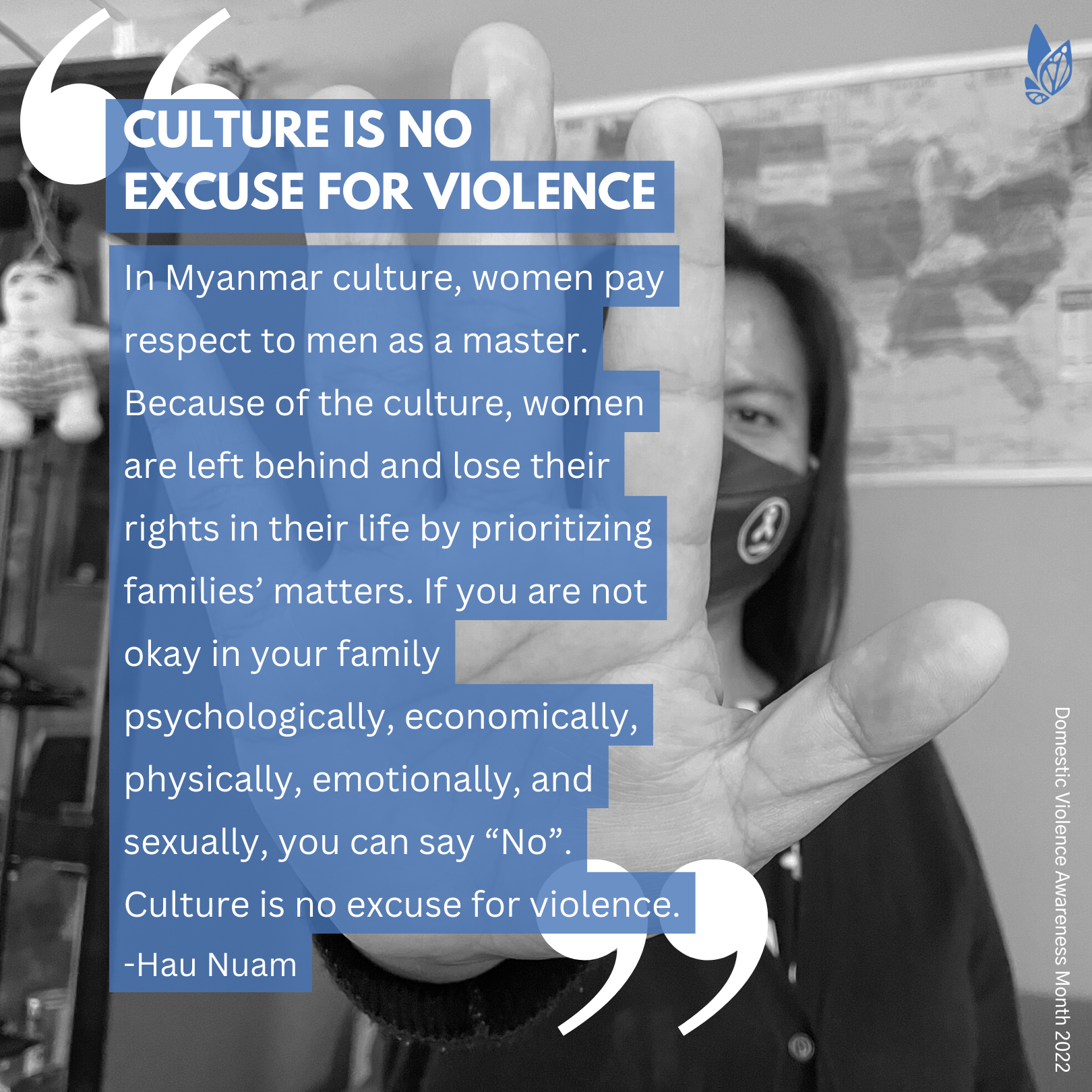
The argument that outsiders “shouldn’t interfere” in cultural practices is a favorite of apologists for gender-based violence. But this fallacy crumbles under scrutiny. If a woman is being beaten in a home, is it really “not our place” to call the police? If a child bride is being sold into marriage, is it “cultural insensitivity” to report it? The idea that we must remain silent in the face of atrocity is not just cowardly—it’s complicit. The global community has a responsibility to challenge harmful traditions, not because we seek to impose our values, but because we recognize that no culture is exempt from the universal declaration of human rights.
This doesn’t mean imposing Western solutions or ignoring local agency. On the contrary, the most effective activism comes from within. Grassroots movements led by women in the Global South have been at the forefront of challenging oppressive traditions—whether it’s the feminist collectives in India fighting against dowry deaths or the women in Iran defying mandatory hijab laws. These activists are not “Western puppets”; they are the vanguard of a global feminist revolution. Their work proves that change is possible when it is driven by those most affected, not by outsiders dictating terms.
Yet accountability requires more than moral outrage. It demands structural change: laws that criminalize harmful practices, education systems that teach gender equality from childhood, and economic empowerment for women so they are not trapped in abusive situations. It also means holding governments and religious institutions accountable when they enable violence. Saudi Arabia’s male guardianship system, Iran’s morality police, and Afghanistan’s Taliban regime all operate under the guise of “cultural authenticity.” But these are not cultural practices—they are political tools of control. The international community must stop treating these regimes with kid gloves and start demanding justice for the women they oppress.
The Future We Demand: Reclaiming Culture as a Force for Liberation
What if culture wasn’t a cage, but a catalyst for change? What if tradition wasn’t a justification for violence, but a foundation for justice? This is the future we must fight for—a world where culture is not used to excuse harm, but to celebrate resistance. It starts with redefining what “cultural preservation” truly means. If a tradition upholds patriarchy, it is not worth preserving. If a practice silences women, it is not sacred—it is oppressive.
This redefinition is already underway. In Morocco, feminist groups have reinterpreted Islamic texts to advocate for women’s rights. In Kenya, indigenous women are reviving matrilineal traditions that center female leadership. In Latin America, the *Ni Una Menos* movement has turned “machismo culture” from a justification for femicide into a rallying cry for revolution. These examples prove that culture is not static; it is a living, breathing entity that can evolve to serve justice rather than oppression.
The path forward requires three key shifts: First, we must dismantle the myth that cultural relativism is neutral. It is not. It is a political stance that often serves to protect power. Second, we must center the voices of women who are already fighting back, amplifying their work instead of speaking over them. Third, we must demand accountability—not just from individuals, but from the systems that enable violence. Laws must change. Education must change. And most importantly, the narrative must change. Culture is not an excuse. It is a tool. And it is time we wielded it for liberation.







Leave a Comment