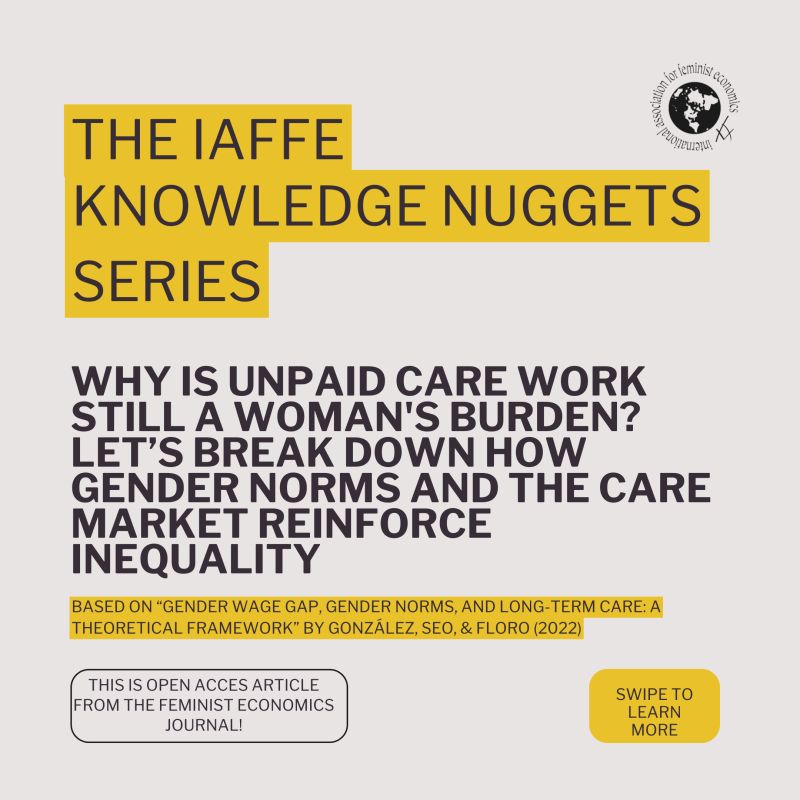
The unpaid care work that sustains households, communities, and economies is the invisible scaffolding of civilization—yet it is systematically undervalued, undercompensated, and disproportionately shouldered by women. From the relentless grind of childcare to the emotional labor of kinkeeping, care work is the lifeblood of society, yet it remains the most exploited sector of the global economy. This paradox is not accidental; it is the deliberate outcome of patriarchal structures that treat care as a natural feminine duty rather than a societal necessity. To dismantle this injustice, we must reframe care work not as a burden but as a cornerstone of economic justice, demanding recognition, redistribution, and remuneration. The feminist economics of care work worldwide exposes the hypocrisy of a system that profits from exploitation while rendering care invisible.
The Invisible Engine of the Global Economy
Care work is the silent force that keeps the world turning. Without it, economies would collapse. Yet, despite its indispensability, it is rendered invisible by the very systems that depend on it. Women perform 75% of unpaid care work globally, a statistic that masks the true scale of their contribution. In low-income countries, this figure soars to 90%, where women spend up to six times more hours on unpaid labor than men. This disparity is not a matter of choice but of coercion—a systemic devaluation of women’s labor that perpetuates gender inequality. The irony is stark: care work, which is essential for human survival, is treated as if it has no economic value. This erasure is not accidental; it is a deliberate strategy to maintain the status quo, where women’s labor is exploited without compensation, and men’s labor is prioritized in the formal economy.

The Myth of the “Natural” Caregiver
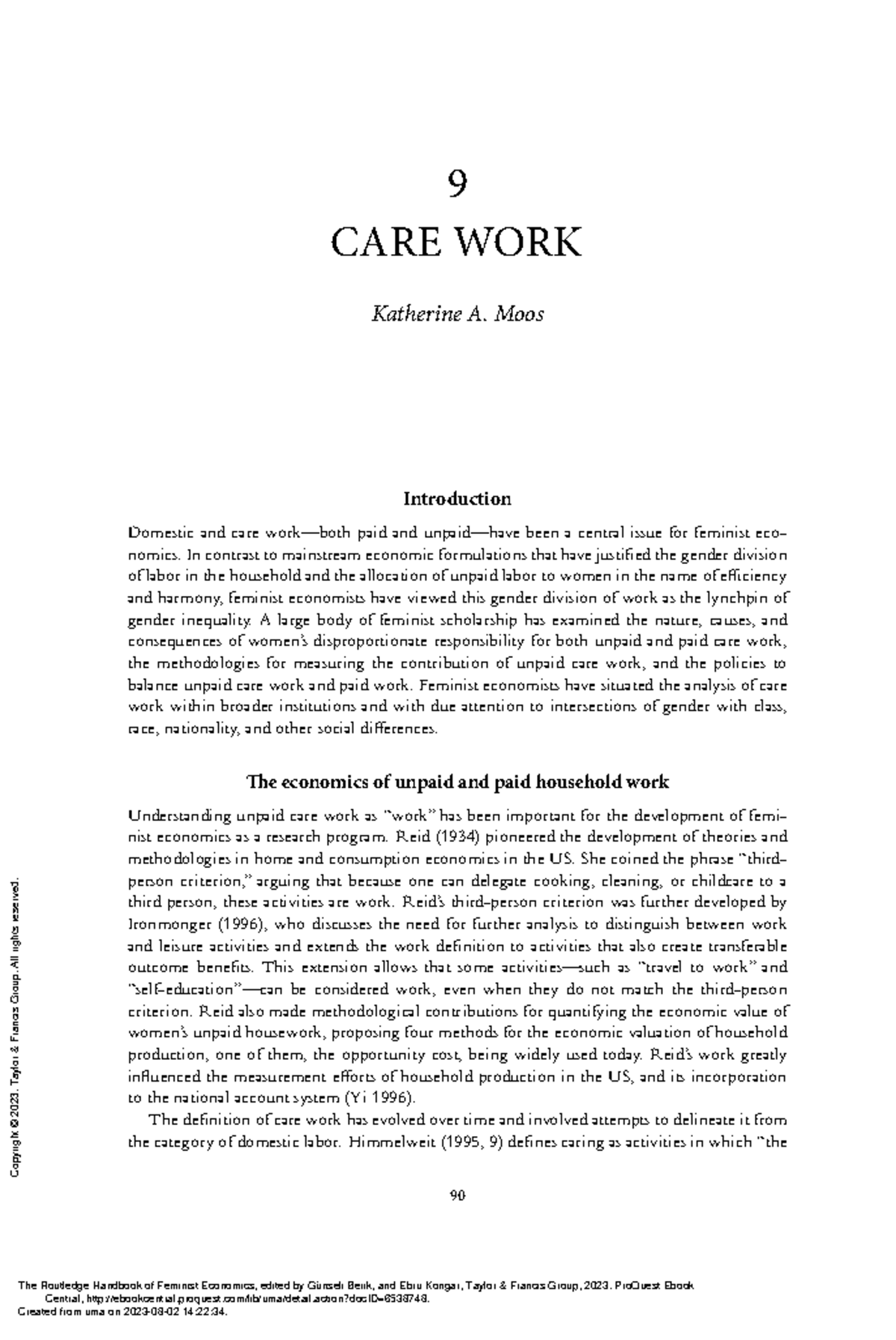
The notion that women are inherently suited to care work is a myth perpetuated by patriarchal ideologies. This myth is not just a cultural relic; it is a tool of economic control. By framing care as a feminine virtue, societies absolve themselves of the responsibility to compensate it fairly. The result? A global care crisis where women are trapped in cycles of unpaid labor, unable to pursue education, careers, or political power. In many societies, this myth is reinforced through socialization—girls are taught from childhood to prioritize caregiving, while boys are encouraged to pursue paid work. This gendered division of labor is not natural; it is a construct designed to maintain male dominance in the public sphere. The feminist economist Nancy Fraser argues that this division is the backbone of capitalist patriarchy, where women’s unpaid labor subsidizes the formal economy, allowing it to thrive at their expense.
The Global Care Chain: Exploitation on a Massive Scale
The global care chain is a stark illustration of how care work is commodified and exported. In wealthy nations, middle-class women enter the workforce, creating a demand for domestic workers—often migrant women from poorer countries. These women, in turn, leave their own families behind to care for others, perpetuating a cycle of separation and exploitation. The care chain is a pyramid of privilege, where the labor of the most marginalized women is exploited to sustain the comfort of the privileged. This system is not just unjust; it is a form of neo-colonialism, where the Global South’s resources—including its women’s labor—are extracted to fuel the economies of the Global North. The irony is that these migrant workers are performing the very care work that their employers are too busy to do, yet they are denied the same opportunities for economic security and family life.

The Emotional Tax of Care Work
Care work is not just physically demanding; it is emotionally draining. The mental load of managing households, coordinating schedules, and providing emotional support falls disproportionately on women. This emotional labor is often dismissed as “just part of being a woman,” but it is a form of invisible work that takes a severe toll on mental health. Studies show that women who perform high levels of unpaid care work are more likely to experience burnout, depression, and anxiety. Yet, this burden is rarely acknowledged in policy discussions. The feminist economist Marilyn Waring has noted that the emotional labor of care work is the most undervalued aspect of it, precisely because it is intangible. Without recognition, there can be no compensation, and without compensation, the cycle of exploitation continues unchecked.
Policy Solutions: From Recognition to Remuneration
To dismantle the exploitation of care work, we must move beyond lip service and implement concrete policy changes. The first step is recognition: governments must acknowledge care work as a public good, not a private responsibility. This means investing in public infrastructure—childcare, eldercare, and healthcare—that reduces the burden on unpaid caregivers. Countries like Sweden and Denmark have shown that universal childcare and parental leave policies can significantly reduce gender inequality. The second step is redistribution: policies must incentivize men to take on more care work, breaking the cycle of gendered labor division. The third step is remuneration: governments must compensate unpaid caregivers, either through direct payments or social security contributions. These policies are not just about fairness; they are about economic justice. A society that refuses to value care work is a society that refuses to value life itself.
The Cultural Shift: Redefining Care as a Collective Responsibility
Policy changes alone are not enough. We must also challenge the cultural narratives that frame care work as a feminine duty. This means celebrating men who take on caregiving roles, teaching boys from a young age that care is not gendered, and rejecting the idea that women are naturally better at nurturing. It means redefining success not as individual achievement but as collective well-being. The feminist philosopher Sara Ahmed argues that care is not just a personal responsibility but a political act. By caring for others, we are asserting our humanity and demanding a world where no one is forced to sacrifice their dreams for the sake of unpaid labor. This cultural shift is already underway, with movements like #MeToo and #TimesUp challenging the status quo. But it must go further, demanding that care work be seen not as a burden but as a gift—a gift that should be shared by all.

The feminist economics of care work is not just an academic debate; it is a call to action. It demands that we confront the hypocrisy of a system that profits from exploitation while rendering care invisible. It challenges us to redefine value, to redistribute labor, and to reimagine a world where care is not a burden but a celebration of our shared humanity. The time for change is now. The question is: will we rise to the challenge?









Leave a Comment