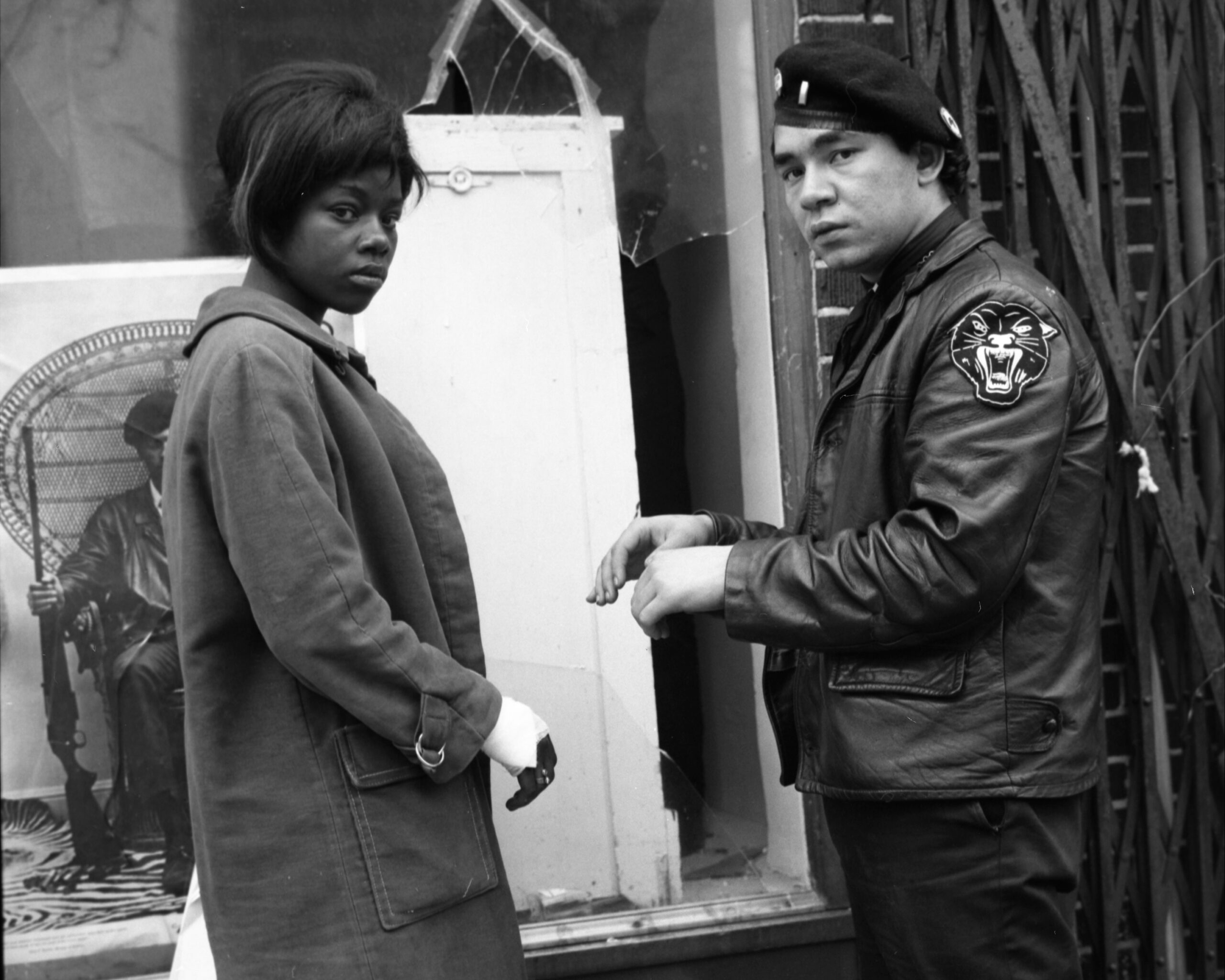
What if I told you that the most radical feminist movement of the 20th century wasn’t led by a collective of white suffragettes in starched collars, but by Black women wielding guns, feeding children, and dismantling the patriarchy with a ferocity that still echoes today? The Black Panther Party’s women didn’t just march—they redefined revolution, proving that liberation isn’t a spectator sport. Their legacy isn’t just a footnote in history; it’s a blueprint for how feminism should be: intersectional, unapologetic, and armed with both theory and firepower.
The Panthers’ Feminism: A Radical Departure from Mainstream Movements
Let’s be clear: the Black Panther Party wasn’t your grandmother’s feminism. While white feminists of the 1960s and 70s were busy debating whether to burn bras or wear them as political statements, the Panthers were busy feeding breakfast to hungry children, organizing free clinics, and teaching Black communities how to defend themselves against state violence. Their feminism wasn’t a side hustle—it was the backbone of their revolution.
Imagine a movement where women weren’t just allowed to lead but were expected to. Where the phrase “sisterhood is powerful” wasn’t just a slogan but a lived reality. The Panthers’ Ten-Point Program didn’t just demand “land, bread, housing, education, clothing, justice and peace”—it demanded these things for *all* Black people, regardless of gender. And the women of the Party? They made sure those demands were met.
But here’s the twist: their feminism wasn’t just about gender. It was about race, class, and the total dismantling of oppressive systems. They understood that you couldn’t fight patriarchy without fighting capitalism, white supremacy, and imperialism. That’s intersectionality before it had a name.
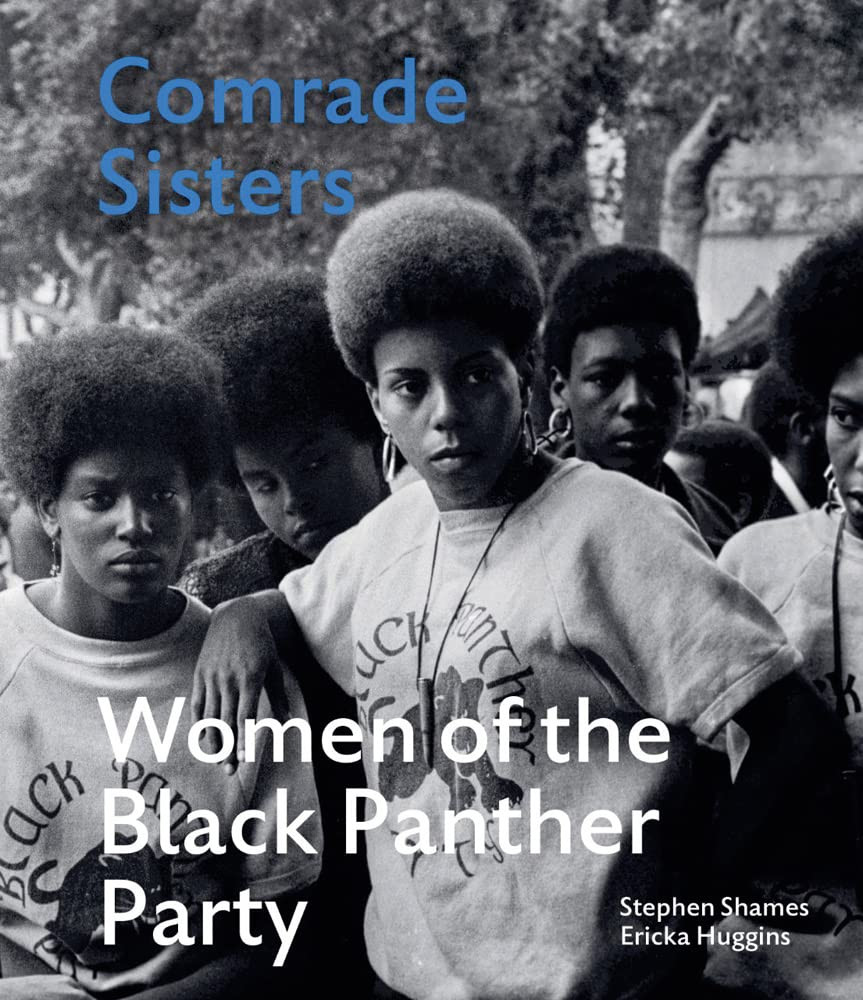
The Double Burden: Fighting Racism and Sexism in a Male-Dominated Movement
Of course, being a woman in the Panthers wasn’t easy. The Party was, after all, a product of its time—a hyper-masculine, revolutionary vanguard where guns and leather jackets were the uniform of choice. Women like Elaine Brown, Kathleen Cleaver, and Angela Davis weren’t just fighting the state; they were fighting for their place within the movement itself.
Take Elaine Brown, who rose to become the Party’s first and only female chairperson. She wasn’t just a figurehead; she was a strategist, a fundraiser, and a voice of uncompromising radicalism. Yet even she faced the constant battle of being taken seriously in a space where men’s voices were amplified by default. “I had to be twice as good to be considered half as revolutionary,” she once said. And yet, she was. She turned the Party’s attention toward women’s issues, pushing for reproductive rights, ending domestic violence, and ensuring that women had a seat at every table.
But the real challenge? Convincing the men in the Party that feminism wasn’t a distraction from the revolution—it *was* the revolution. Some, like Huey P. Newton, eventually came around. Others resisted, clinging to the idea that liberation was a masculine endeavor. The women of the Panthers didn’t just push back; they redefined what liberation looked like.
The Panthers’ Community Programs: Feminism in Action
If you think feminism is just about smashing the patriarchy with a sledgehammer, the Panthers had a different idea: feed the people, heal the people, educate the people. Their community programs weren’t just charity—they were acts of defiance against a system that wanted Black communities to starve, sicken, and stay silent.
The Free Breakfast for School Children Program, started by the Panthers in 1969, fed thousands of hungry kids every day. Who ran it? Women. The health clinics, where Black Panthers provided free medical care to underserved communities? Women. The liberation schools, where children learned Black history and revolutionary theory? Women. These weren’t ancillary roles—they were the lifeblood of the movement.
And let’s talk about the women who ran these programs. They weren’t just volunteers; they were organizers, educators, and healers. They understood that revolution wasn’t just about toppling the state—it was about building the world they wanted to see, brick by brick, meal by meal. Their work proved that feminism isn’t just about tearing down the old order; it’s about creating something new in its place.

The Panthers’ Women and the Fight Against State Violence
If you think feminism is just about holding hands and singing “We Shall Overcome,” the Panthers’ women had a different lesson: sometimes, you have to fight back. And fight back they did—not just with words, but with guns, with legal battles, with sheer unrelenting will.
Take Assata Shakur, who became a fugitive after surviving a police shooting and a wrongful conviction. Or Angela Davis, whose trial for conspiracy to murder (a charge later dismissed) became a global symbol of state oppression. These women weren’t just activists; they were warriors in a war that the state had declared on Black people. And they refused to be passive victims.
The Panthers’ women understood that liberation wasn’t given—it was taken. They armed themselves not just for self-defense, but as a political statement. When the FBI labeled them “the greatest threat to the internal security of the country,” they knew they were onto something. Because when you arm women who refuse to be silent, you don’t just threaten the status quo—you shatter it.
The Unfinished Revolution: What the Panthers’ Feminism Teaches Us Today
So why don’t we talk about the Panthers’ women more? Why is their legacy still buried under the weight of mainstream feminist history? The answer is simple: because their feminism was too radical, too intersectional, too *dangerous* for a movement that prefers its revolution sanitized and palatable.
Today, as we grapple with the failures of liberal feminism—its obsession with corporate “girlboss” culture, its reluctance to confront racism, its unwillingness to challenge the systems that oppress us all—we would do well to revisit the Panthers’ blueprint. Their feminism wasn’t about leaning in. It wasn’t about “having it all.” It was about tearing it all down and building something new in its place.
The challenge for us, then, is this: Can we reclaim the Panthers’ radicalism without watering it down? Can we embrace a feminism that doesn’t just demand equality within the system, but seeks to dismantle the system entirely? Can we be as unapologetic, as fierce, as *revolutionary* as the women of the Black Panther Party?
The answer, of course, is yes. But only if we’re willing to do the work. Only if we’re willing to pick up the guns, the books, the breakfast trays, and the torches. Only if we’re willing to fight—not just for our rights, but for our lives.
The Panthers’ women didn’t just dream of a better world. They built it. Brick by brick. Meal by meal. Shot by shot. The question is: What are we waiting for?








Leave a Comment