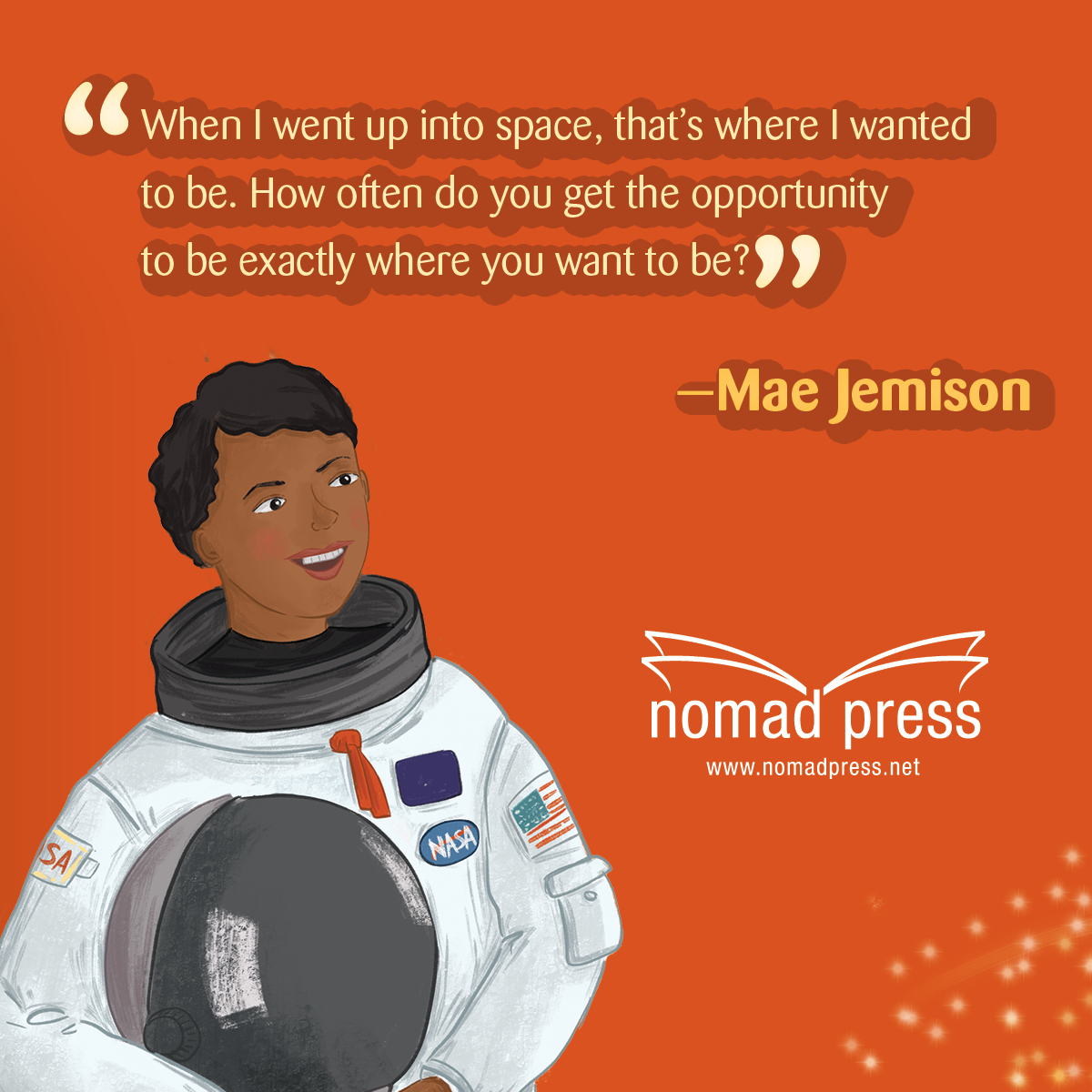
Women’s History Month is a paradox wrapped in a calendar conundrum—a fleeting 31 days that somehow feels like a stolen afternoon. We celebrate it with fervor, adorn our social feeds with purple, green, and white hues, and then, just like that, March slips away, leaving us with a nagging sense that we’ve barely scratched the surface. Why does this month, dedicated to the monumental contributions of women, feel like the shortest month of the year? The answer isn’t just about time; it’s about erasure, urgency, and the relentless fight to be seen.
The Illusion of Progress and the Weight of Erasure
We live in an era where women’s achievements are often met with a performative nod—acknowledged in March, then quietly tucked away until the next year. This cyclical amnesia isn’t accidental; it’s a symptom of a society that has historically treated women’s history as an asterisk rather than a chapter. The erasure begins early, in classrooms where women’s contributions are reduced to a single paragraph in a textbook, or in boardrooms where their names are omitted from the ledger of innovation. Women’s History Month isn’t just a celebration; it’s a corrective measure, a desperate attempt to carve out space in a world that would rather forget.
Consider the way history is taught. How many young girls grow up idolizing figures like Einstein or Edison, only to realize later that their breakthroughs were built on the uncredited labor of women? The erasure isn’t just about omission—it’s about the active rewriting of history to center men, to make women’s roles seem peripheral, even when they were foundational. This isn’t just a historical quirk; it’s a power play, one that persists in subtler forms today.
The Tyranny of the Calendar and the Urgency of Now
There’s something almost cruel about confining women’s history to a single month. It implies that the rest of the year, their stories can wait. That their struggles, their triumphs, their very existence can be compartmentalized into a tidy 31-day box. But history isn’t a tidy thing. It’s messy, sprawling, and refuses to be contained. Women’s History Month is a concession to a system that would prefer to limit our narratives, to make them digestible rather than disruptive.
The calendar itself becomes a metaphor for the way women’s contributions are treated—squeezed into the margins, given just enough room to exist, but never enough to thrive. And yet, even within this constraint, there’s a strange power in the urgency of the month. It forces us to confront the gaps, to demand more, to refuse the silence. The brevity of Women’s History Month isn’t just a flaw in the system; it’s a challenge. It asks us: What would happen if we treated every month like this? What if we refused to let the stories fade?
The Spectacle of Celebration and the Hollow Ritual
There’s a performative quality to Women’s History Month that can feel suffocating. Corporations rebrand their logos in purple, brands slap “empowerment” onto products, and politicians issue hollow proclamations—all while the systems that oppress women remain intact. The month becomes a spectacle, a fleeting moment of collective virtue-signaling that doesn’t require real change. It’s easier to celebrate women in March than to dismantle the structures that keep them from rising in April.
This isn’t to say the month is without value. The visibility, the conversations, the spotlight on forgotten figures—these things matter. But they matter less when they’re followed by a return to business as usual. The real work isn’t in the performative allyship of a single month; it’s in the relentless, unglamorous labor of dismantling the systems that make such a month necessary in the first place. The spectacle of celebration is a trap, a way to make us feel like we’ve done enough when, in reality, we’ve only just begun.
The Ghosts of Women Who Came Before Us
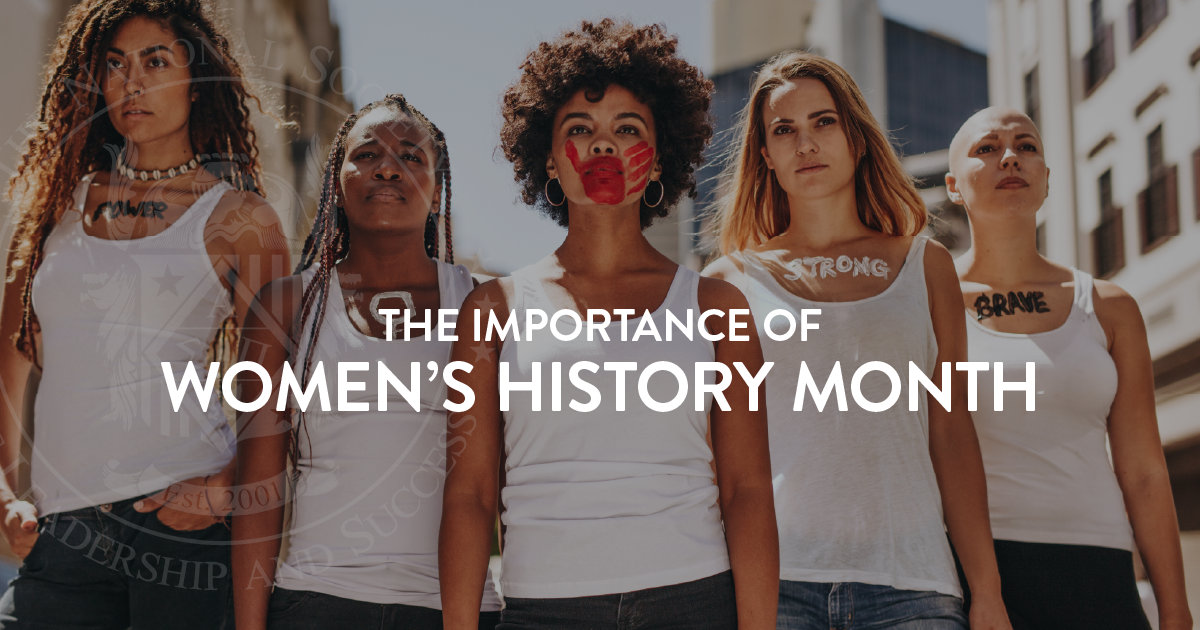
The women whose shoulders we stand on didn’t get a month. They got silence. They got erasure. They got their names scrubbed from the records, their contributions attributed to men, their very existence questioned. Women’s History Month is a belated attempt to honor them, but it’s also a reminder of how much we’ve lost. How many brilliant minds were erased by time? How many innovations were stolen? How many voices were silenced before they could even be heard?
This month isn’t just about celebration; it’s about reclamation. It’s about digging through the archives, unearthing the forgotten, and refusing to let their stories die. It’s about recognizing that the past isn’t just a dusty relic—it’s a living force, one that shapes the present in ways we’re only beginning to understand. The ghosts of women who came before us haunt this month, whispering that their stories are still being written, still being fought for.
The Future We’re Still Fighting For
Women’s History Month feels short because the future we’re fighting for is still out of reach. We celebrate the women who broke barriers, but we’re still fighting the same battles—pay gaps, reproductive rights, the relentless policing of women’s bodies. The month is a reminder that progress isn’t linear, that the fight isn’t over, and that the work of rewriting history is far from done.
What if Women’s History Month wasn’t just a month? What if it was a movement? What if every day was an opportunity to center women’s stories, to demand their place in the narrative? The brevity of the month isn’t just a flaw—it’s a call to action. It’s a challenge to make every month feel like Women’s History Month, to refuse the silence, to demand the space, to write the stories that have been erased.
The shortest month of the year? Maybe. But the stories it holds are the longest ones we’ll ever tell.




Leave a Comment