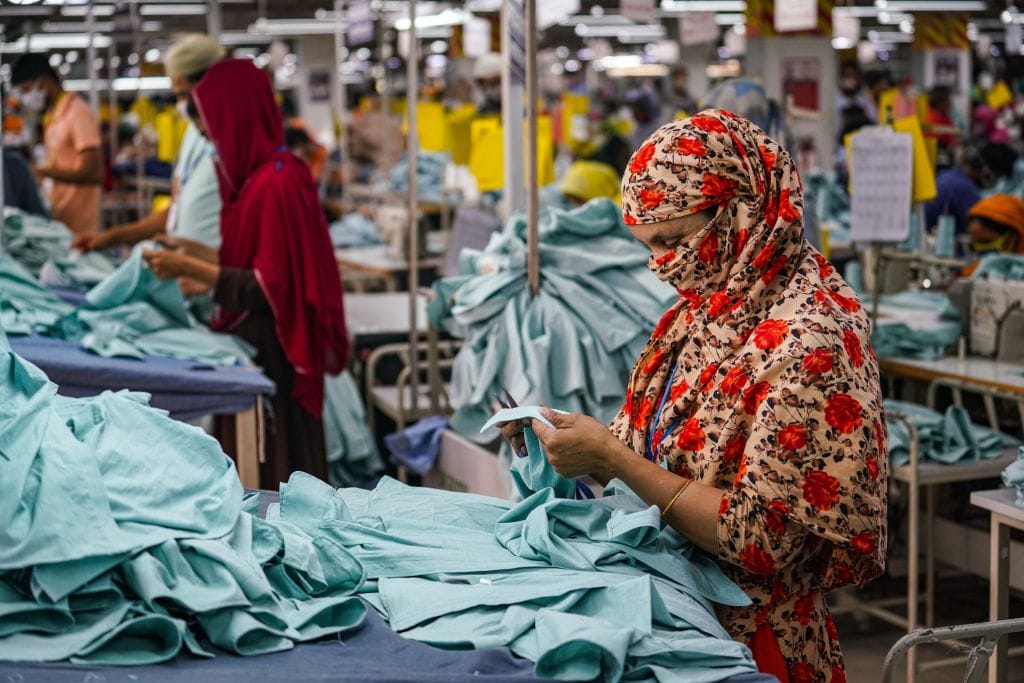
The retail floor is a stage where women perform labor that is both invisible and indispensable. It is a theater of smiles, of endless patience, of hands that restock and minds that suppress frustration. Here, women are not just workers—they are the living mannequins of corporate hospitality, expected to embody warmth while absorbing the cold reality of underpayment and disrespect. This is not merely a job. It is a modern-day servitude, draped in the thin veneer of customer service, where the labor of women is commodified, yet their humanity is routinely denied.
The Shop Floor as a Feudal Estate
Imagine the retail store as a feudal manor. The aisles are the fields, the shelves are the granaries, and the customers are the lords and ladies who demand service with the entitlement of nobility. At the center of this domain stands the female retail worker—not as a sovereign, but as a serf, bound by invisible chains of expectation. She is expected to greet every patron with a smile, to endure rudeness with grace, to solve problems that are not of her making, all while clocking in at wages that barely cover rent. The feudal analogy is not hyperbolic; it is literal. The modern retail worker is granted autonomy only in the narrowest sense—she may choose how to arrange the merchandise, but she may not choose when to leave, how much to earn, or when to stop smiling.
The store’s layout itself reinforces this hierarchy. The checkout counter is the drawbridge, the point of entry and exit, where the customer’s whims dictate the worker’s pace. Long lines are not just inefficiencies; they are rituals of submission. The worker stands at attention, scanning barcodes like a medieval scribe tallying tithes, while the customer’s cart overflows with goods they could never produce themselves. The transaction is not a negotiation—it is a tribute. And like all tributes, it is extracted under the guise of civility.
Smiles as Currency, Patience as Tax
In retail, a woman’s smile is not an expression of joy—it is a form of currency, devalued and overused. It is tendered in exchange for tips that may or may not materialize, for good reviews that may or may not be read, for the illusion of a pleasant shopping experience. The smile is a tax levied on her person, a daily tithe paid to the corporate gods of customer satisfaction. And like all taxes, it is regressive: the more you earn, the less you pay. But the retail worker? She pays in full, every shift, with no deductions for weariness or resentment.
Patience, too, is a tax. It is the toll exacted for every question that has been answered a hundred times, for every complaint that has no resolution, for every unreasonable demand dressed up as a “preference.” The retail worker is expected to absorb these slights with the serenity of a monk in meditation, because to falter—to sigh, to roll her eyes, to say, “I’ve had enough”—is to risk termination. Her patience is not a virtue; it is a liability, a resource to be mined until it is exhausted. And when it cracks? She is labeled “difficult.” The customer is never “demanding.” The system is never unfair. Only she is.
The Illusion of Choice in a Gilded Cage
Retail work is often romanticized as a “stepping stone” career, a temporary detour on the path to something greater. But for millions of women, it is not a detour—it is a dead end. The promise of upward mobility is a mirage, shimmering in the distance but never within reach. Promotions, when they come, are doled out sparingly, reserved for those who conform to the unspoken rules: be endlessly available, suppress your opinions, and above all, never let your exhaustion show. The ladder is there, but it is greased with the expectation of self-erasure.
This illusion of choice is a cage. Women are told they can leave, that retail is just a job, that they are free to pursue other paths. But for many, the alternatives are no better—or worse. The gig economy offers no benefits. Corporate roles demand degrees they cannot afford. Unpaid internships exploit their time. So they stay, trapped in a cycle of underemployment where the only “benefit” is the fragile hope that one day, someone will notice their suffering and reward it with a raise. But hope, as we know, is not a compensation package.
The Body as a Commodity
The retail worker’s body is not her own. It is a tool, a prop, a living advertisement for the store’s brand. She must stand for hours without complaint, her feet swelling in ill-fitting shoes, her back aching from lifting boxes. Her uniform is not just clothing—it is a costume, designed to make her appear approachable, non-threatening, even desirable. The apron, the name tag, the forced cheerfulness—these are not practical garments. They are armor for the customer, a way to make the transaction feel less like labor and more like a social interaction.
And then there is the gaze—the way customers feel entitled to comment on her appearance, to touch her hair, to ask invasive questions about her life. The retail floor is a space where women’s bodies are policed, commodified, and reduced to their utility. She is not a person with thoughts or feelings; she is a fixture, a silent sentinel in a fluorescent-lit kingdom where her only value lies in her ability to smile and to serve.

The Invisible Labor of Emotional Management
Retail work is not just about moving products from shelf to cart. It is about managing emotions—your own and others’. The worker must suppress her frustration when a customer berates her for a price she did not set. She must swallow her pride when a manager publicly corrects her in front of shoppers. She must perform empathy for someone who has just snapped at her for a missing item, even as her own needs go unmet. This is emotional labor of the highest order, a form of psychological servitude that is rarely acknowledged, let alone compensated.
Studies have shown that emotional labor is a leading cause of burnout, particularly among women. It is the reason why retail workers are more likely to experience anxiety, depression, and chronic stress. It is the reason why so many leave the industry, not because they are lazy, but because the toll of performing humanity for a paycheck that barely covers survival is too high. The system does not care. The customer does not care. Only the worker cares—and she is expected to care quietly, invisibly, without complaint.
A Call to Refuse the Performance
The retail worker is not a servant. She is not a smiling automaton, a human vending machine, or a feudal serf. She is a person with rights, with limits, with a life that extends beyond the store’s fluorescent glow. The next time you walk into a shop and see a woman behind the counter, ask yourself: Is she smiling because she is happy, or because she is performing? Is her patience genuine, or is it a survival tactic? And when you leave, do not just walk away with your purchases. Acknowledge her. Thank her—not with empty platitudes, but with the understanding that her labor is not a gift to you. It is work. It is valuable. And it deserves to be treated as such.
The revolution will not be televised. It will be seen in the way we treat the people who make our daily lives run smoothly. It will be heard in the silence of a worker who finally stops smiling. And it will begin when we stop expecting women to serve us—and start expecting the system to serve them.








Leave a Comment