
In a world where laughter is often weaponized against women, the art of finding humor in the absurdities of life becomes not just a coping mechanism, but a quiet act of rebellion. Women have long turned to jokes—those sharp, subversive little tools—to navigate the minefield of societal expectations, patriarchal norms, and the relentless pressure to remain “pleasant.” These aren’t just punchlines; they’re survival strategies, crafted with wit as a shield and irony as a sword. The jokes women laugh at aren’t frivolous—they’re a form of silent dissent, a way to reclaim agency in a culture that so often denies it.
The Subversive Power of Self-Deprecating Humor
Self-deprecating humor is a double-edged sword, wielded by women with the precision of a surgeon and the cunning of a fox. It’s the kind of laughter that disarms before the joke even lands, a preemptive strike against the inevitable criticism. When a woman laughs at her own “flaws”—whether real or imagined—she’s not just making light of them; she’s exposing the absurdity of the standards that define them. The joke about forgetting where she left her keys isn’t just about absentmindedness; it’s a commentary on the myth of multitasking perfection that society imposes on women. These jokes are a quiet refusal to internalize shame, a way to say, “Yes, I am flawed, but so is the system that demands I be flawless.”
Consider the meme of the woman laughing while holding a wine glass, captioned with some variation of “Wine: the reason I’m not a murderer.” It’s a joke that resonates because it’s true—how else does one survive the daily microaggressions of living under patriarchy? The humor isn’t in the alcohol; it’s in the unspoken truth that the joke exposes. Women laugh at these because they recognize the exhaustion behind the punchline, the way society’s expectations are designed to break them. It’s a form of catharsis, a communal sigh of relief that says, “We see the joke, and we’re not laughing *with* the system—we’re laughing *at* it.”

The Satirical Edge of Workplace and Domestic Jokes
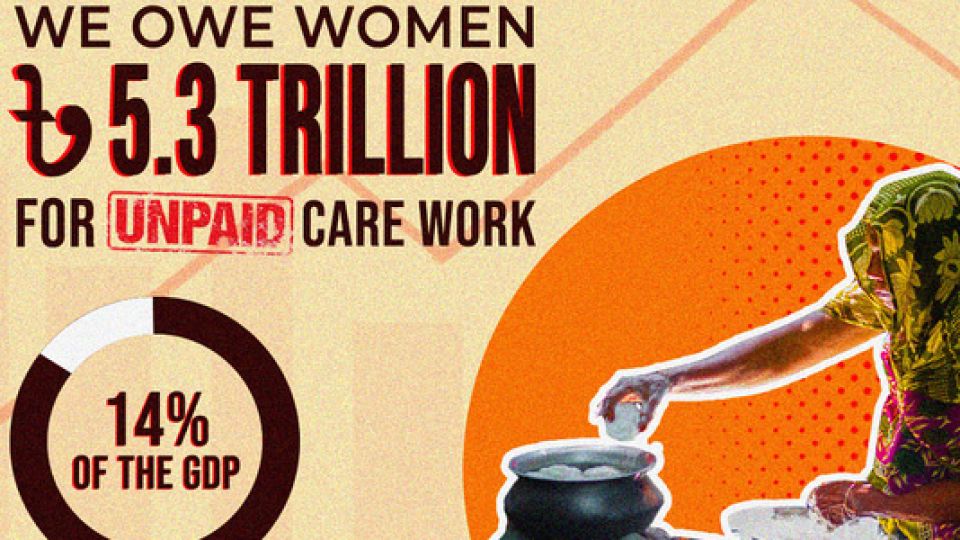
Workplace humor is where the gloves come off, where women dissect the absurdities of corporate culture, the double standards of leadership, and the unpaid emotional labor that comes with being the “office mom.” These jokes aren’t just funny; they’re a form of resistance. When a woman jokes about her boss asking her to “smile more” or about being the only one who remembers everyone’s birthdays, she’s not just venting—she’s highlighting the invisible labor that’s expected of her. The humor lies in the recognition of the joke’s truth, the way it exposes the hypocrisy of a system that rewards men for assertiveness but punishes women for the same behavior.
Domestic humor, too, is a minefield of unspoken truths. The joke about the husband who “helps” with the dishes isn’t just about chores; it’s about the way society frames domestic labor as a favor rather than an expectation. When a woman laughs at the idea of her partner “allowing” her to have a night off, she’s pointing out the absurdity of the power dynamics at play. These jokes are a way to call out the imbalance without resorting to outright confrontation, a way to say, “I see you, and I see the joke you’re playing at.” The laughter becomes a shared language, a way to bond over the shared absurdity of it all.

The Cathartic Release of Dating and Relationship Jokes
Dating under patriarchy is a minefield of misogyny disguised as romance, and women have turned to humor as a way to navigate its treacherous terrain. The jokes about men who think they’re “nice guys” but can’t take a hint, or the ones about the endless cycle of ghosting and breadcrumbing, aren’t just funny—they’re a form of emotional first aid. They allow women to process the pain of rejection, the frustration of unrequited labor, and the absurdity of modern dating rituals without drowning in bitterness. Laughter becomes a survival tactic, a way to reclaim power in a game that’s rigged against them.
Relationship jokes, too, are a way to expose the hypocrisy of romantic expectations. The joke about the man who expects his partner to be his therapist, his chef, and his personal cheerleader isn’t just about one man’s entitlement—it’s about the way society conditions women to believe that their worth is tied to their ability to nurture others. When women laugh at these jokes, they’re not just poking fun at their partners; they’re poking holes in the very foundation of the roles they’re expected to play. The humor is a form of defiance, a way to say, “I see the script, and I refuse to follow it.”
The Collective Laughter of Feminist and Body-Positive Memes
Feminist memes are the digital equivalent of a consciousness-raising group, a space where women can laugh at the absurdities of gender norms without fear of backlash. These jokes aren’t just funny; they’re a form of activism. The meme about the woman who “exists” and is therefore “too much” for some men isn’t just a joke—it’s a commentary on the way society polices women’s bodies and behaviors. When women share these memes, they’re not just laughing; they’re building solidarity, a shared understanding that the jokes they find funny are rooted in a deeper truth about their lived experiences.
Body-positive humor, too, is a radical act. The joke about loving your body despite the way society tells you it’s “wrong” isn’t just about self-acceptance—it’s about rejecting the industries that profit from women’s insecurities. When a woman laughs at a meme about her stretch marks being “war paint,” she’s not just making a joke; she’s reclaiming her body from the gaze of a culture that seeks to commodify it. These jokes are a form of resistance, a way to say, “I will not be shamed into silence.”

The Dark Humor of Survival and Resilience
Some jokes women laugh at aren’t just funny—they’re a testament to survival. Dark humor is the laughter of those who have been broken by the world but refuse to stay broken. The jokes about surviving abusive relationships, about the absurdity of gaslighting, or about the way trauma shapes your sense of humor aren’t just coping mechanisms—they’re a form of defiance. When a woman laughs at a joke about her own resilience, she’s not just making light of her pain; she’s declaring that she will not be defined by it.
These jokes are often the most private, shared only among trusted friends or in online communities where anonymity provides safety. They’re the kind of humor that doesn’t seek validation from the outside world; they’re a way to process the unprocessable, to find light in the darkest corners of life. The laughter becomes a shield, a way to armor yourself against the world’s cruelty. It’s the humor of those who have stared into the abyss and decided to laugh anyway.
The Future of Women’s Humor: A Tool for Change
The jokes women laugh at today are more than just entertainment—they’re a form of cultural commentary, a way to expose the absurdities of a world that seeks to control them. As society evolves, so too does the humor, becoming sharper, more incisive, and more unapologetic. The future of women’s humor lies in its ability to challenge, to provoke, and to inspire change. It’s a tool for dismantling the systems that seek to silence them, a way to rewrite the narrative on their own terms.
So the next time you see a woman laughing at a joke that seems “too much” or “too dark,” remember: she’s not just laughing for the sake of it. She’s laughing to survive. She’s laughing to resist. She’s laughing because the alternative is silence—and silence, in a world that demands so much of her, is the one thing she cannot afford.










Leave a Comment