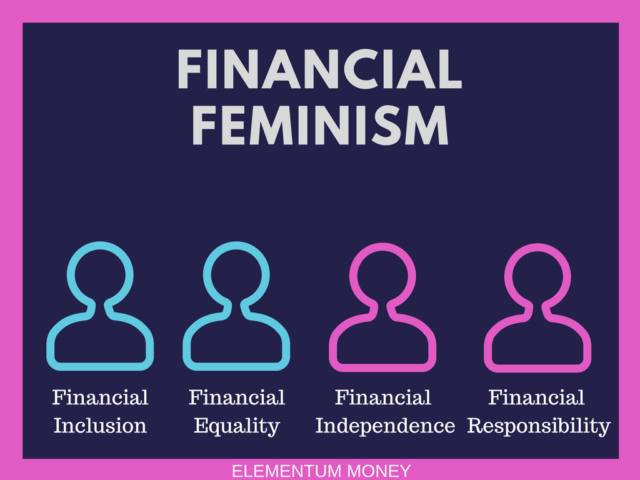
In the ever-evolving tapestry of feminist discourse, a new frontier is emerging—one that wields the transformative power of money. Financial feminism is not just another chapter; it is a seismic shift in how gender, power, and economics intertwine. At its core, it challenges long-standing paradigms that have kept women tethered to financial invisibility and vulnerability. This movement promises to reshape the future by reclaiming wealth, autonomy, and opportunity, offering a radical reimagining of liberation itself.
Rethinking Power: Money as a Feminist Tool, Not Just Currency
Money has traditionally been wielded as an instrument of control—used to perpetuate systems that marginalize women by limiting their access to financial resources, credit, and wealth-building opportunities. Financial feminism dismantles this outdated notion, positioning money not simply as currency, but as a formidable tool of empowerment. It invites women to decode the language of finance, to master investing, budgeting, and entrepreneurship on their own terms.
This shift is profound because it reconfigures the locus of power from external validation to intrinsic agency. When women harness control over money, they unsettle patriarchal hierarchies and catalyze systemic change. Financial literacy is no longer a mundane skill but a radical act of defiance against a world that has historically undervalued female economic contributions.

Beyond Equality: Financial Feminism Seeks True Liberation
Equality has long been the clarion call of feminist movements—equal pay, equal rights, equal representation. Yet, financial feminism dares to ask: what does true freedom look like beyond parity with men? It beckons a radical re-envisioning that transcends mere equality, aiming instead for liberation from systemic financial shackles. Liberation here means eradicating structural barriers that funnel women into economic precarity and limited agency.
By centering wealth accumulation and financial independence, this movement challenges the narratives that cast women as passive recipients rather than active architects of economic power. It insists on dismantling not only the glass ceiling but the very economic architecture that builds it. This is a call to remake the financial realm as a space of equity, justice, and sustainability—for women and marginalized genders alike.
Intersections of Identity: Financial Feminism’s Inclusive Embrace
Financial feminism refuses to ignore the intricate intersections of gender, race, class, and sexuality that shape economic realities. Its ethos is inherently inclusive, recognizing that the financial challenges faced by women are multifaceted and vastly different based on these intersecting identities.
For example, women of color remain disproportionately subjected to wage gaps, discriminatory lending practices, and barriers to capital access. Trans and non-binary individuals encounter financial erasure and systemic bias. Financial feminism demands nuanced strategies that do not flatten these experiences but amplify diverse voices into the movement’s core demands. This intersectional lens ensures that financial reformation is equitable and transformative across all spectrums.

Shifting the Narrative: From Scarcity to Abundance
One of the most compelling promises of financial feminism lies in its ability to shift the pervasive narrative of scarcity to one of abundance—a revolutionary mindset pivot. Where women have often been conditioned to live within limitations, financial feminism introduces audacity—encouraging expansive visions of prosperity and opportunity.
This recalibration reframes money from a source of anxiety to a conduit for dreams and social change. By advocating for wealth not as greed but as a necessary resource for empowerment, it defies cultural scripts that vilify ambition and success in women. Financial feminism invites women to reclaim narrative sovereignty over their relationship with money, forging paths that honor both personal and collective flourishing.
Technology and Innovation: Catalysts for the Financial Feminism Revolution
In an age defined by fintech, cryptocurrency, and digital economies, financial feminism harnesses these innovations as vehicles of empowerment. Traditional financial institutions have often overlooked or excluded women; new technologies offer alternative avenues to disrupt this status quo.
From peer-to-peer lending platforms to blockchain technologies promising transparency, financial feminism embraces cutting-edge tools that democratize access to capital and financial autonomy. These technological advancements bolster community-building and financial education efforts, granting women unprecedented agency while challenging entrenched gatekeepers.

The Societal Ripple Effect: Transforming Communities and Economies
The implications of financial feminism stretch far beyond individual empowerment; they ripple through families, communities, and entire economies. Studies frequently show that when women gain financial independence, they invest more in their families, education, and local economies—igniting virtuous cycles of collective well-being.
This movement seeds a future where wealth redistribution and equitable resource allocation can dismantle poverty and systemic inequities. Furthermore, it disrupts toxic capitalist norms that prioritize profit over people, positioning feminist economic principles as blueprints for sustainable and inclusive growth.
Conclusion: A Call to Action and Radical Reimagination
Financial feminism is the audacious next wave—a movement that transcends traditional feminist goals to confront the underpinnings of economic power. It promises not incremental reform but wholesale transformation: of how we view money, power, and possibility. It beckons every woman, every marginalized individual, to reclaim financial sovereignty and forge a new economy rooted in justice and liberation.
In embracing this revolution, the movement does more than seek parity with existing structures; it dares to dismantle and rebuild from the ground up. Financial feminism is not a distant dream but a clarion call to reimagine our collective future—one dollar, one investment, and one bold decision at a time.








Leave a Comment