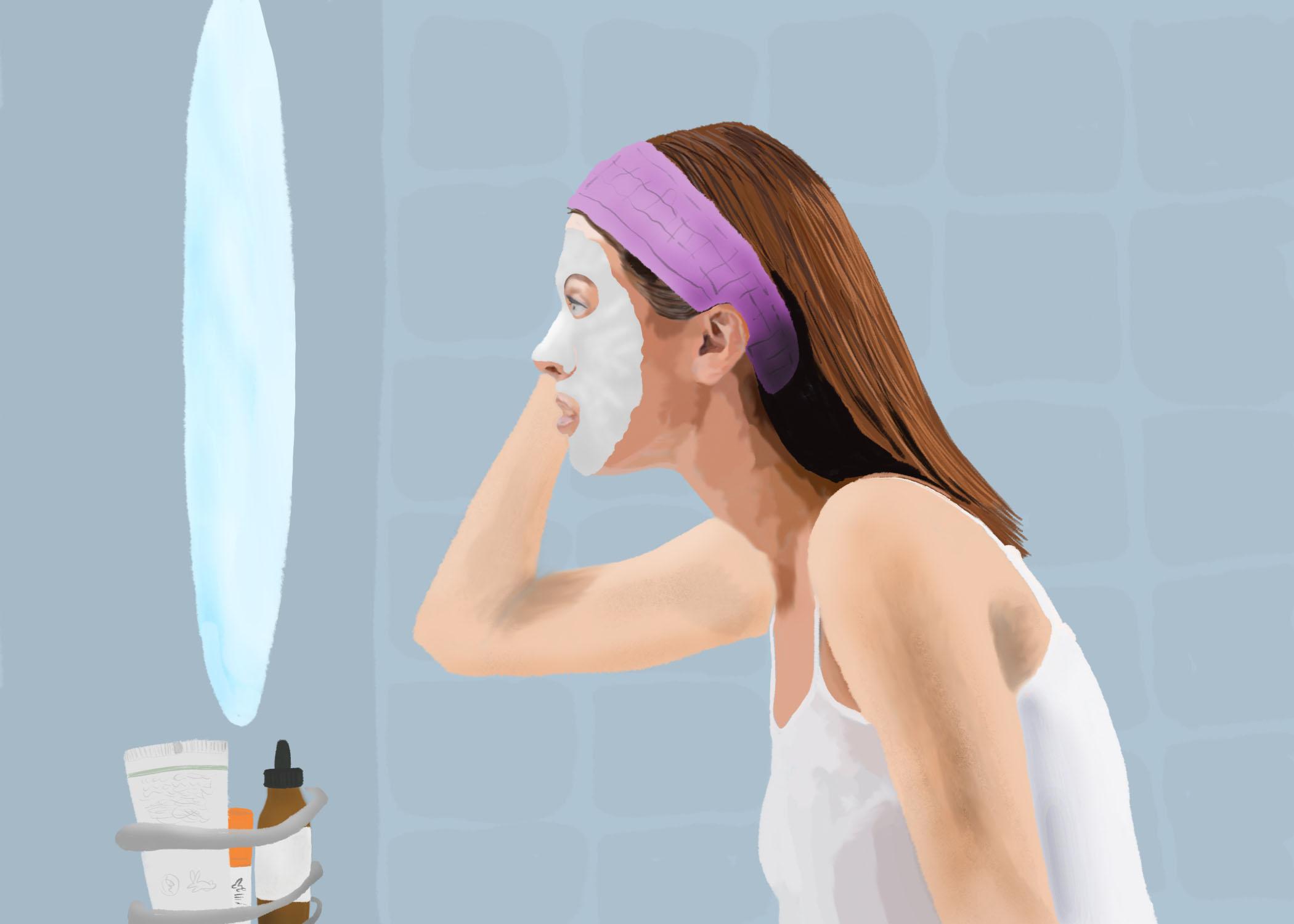
Self-care was never meant to be sold. It was a whispered promise from within, a soft murmur of reprieve amid the cacophony of relentless expectations. Yet, the world has bottled that whisper and hung its scent on store shelves, transforming a sacred act of self-nurture into a gluttonous consumerist spectacle. Women, once seekers of genuine restoration, now wander through aisles lined with commodified calm, their wallets lighter but their spirits heavier. Why did self-care become a commodity—and why are women so profoundly exhausted from buying it?
The Alchemy of Self-Care: From Healing Ritual to Marketable Myth
Self-care began as an intimate ritual—a balm for fractured psyches and overstretched souls. It was the luxury of pause, a deliberate act of rebellion against the culture of relentless productivity. But capitalism, with its insatiable appetite for monetization, kidnapped this quiet revolution. What was once personal and sublime transmogrified into a glittering mirage of products and promises: scented candles that scorch wallets, serums boasting ephemeral glow, and apps promising mindfulness in 10 addictive minutes.
This alchemy turned healing into hype, a transmutation that strips self-care of its essence. It’s no longer about restoration but about consumption, and every purchase claims to hold the key to happiness. But beneath sterile packaging and influencer endorsements lies a hollow echo. The market’s version of self-care panders to surface beauty while ignoring the unrest beneath. Women are sold an illusion—a quick fix, packaged in pastel and gold.
The Price Tag on Peace: How Capitalism Exploits Emotional Labor
The commodification of self-care is nothing short of an exploitative carnival that profits from women’s emotional labor. The labor that goes into holding family structures together, managing careers, and navigating social expectations is immense, invisible, and deeply undervalued. Meanwhile, the culture encourages buying “wellness” instead of demanding systemic change.
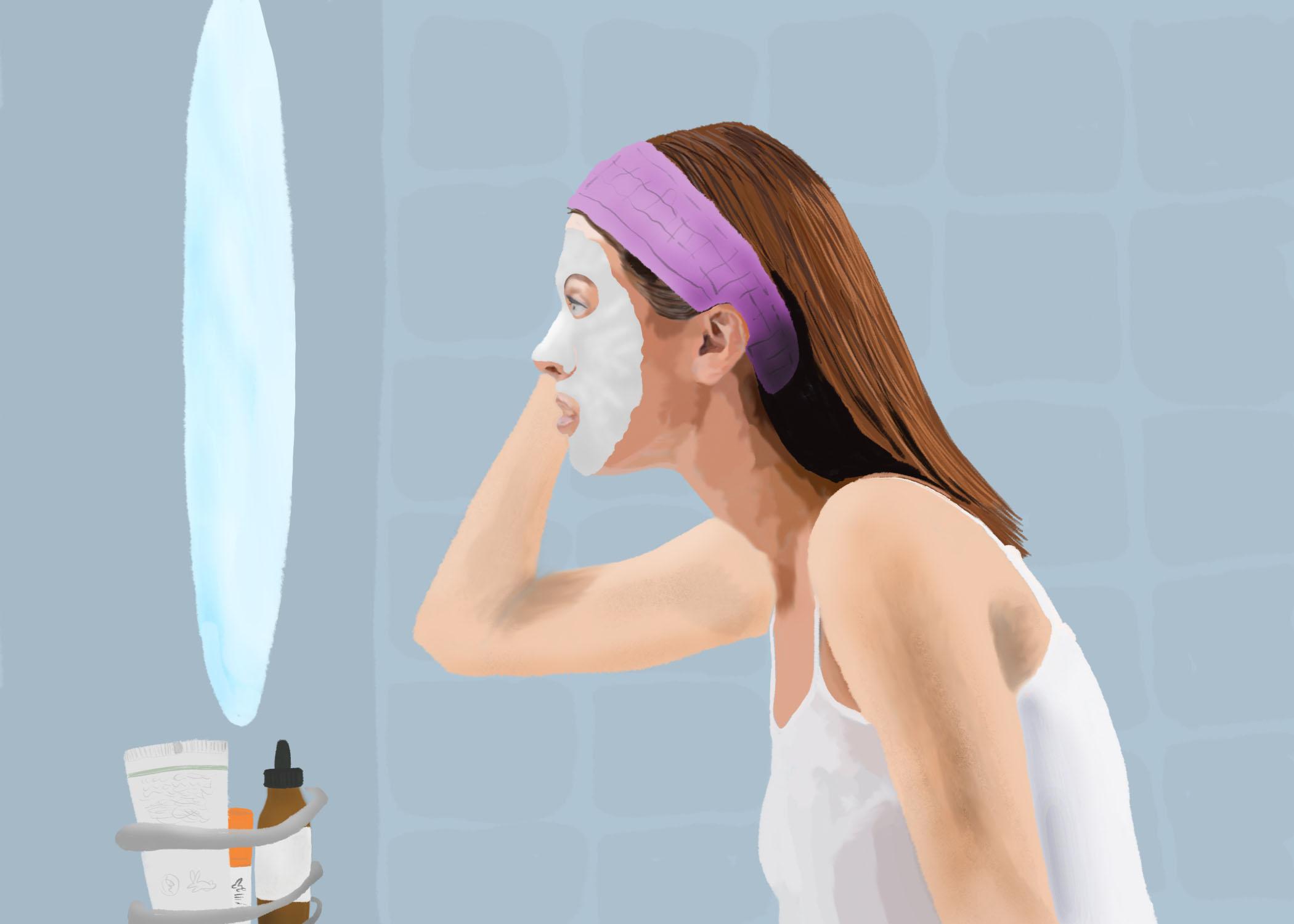
Mindfulness retreats become luxury escapades for the privileged. Face masks and essential oils are marketed as universal cures, conveniently glossing over the fact that true peace and health require societal shifts—not more products. The narrative that women must purchase their tranquility makes self-care an endless treadmill, where exhaustion is met not with rest but with another transaction. Capitalism doesn’t want weariness to end; it profits when we keep chasing false sanctuaries.
Exhausted Stamina: Why Women Are Weary of the Self-Care Marketplace
There is a fatigue that economic transactions cannot salve. Women—across races, classes, and cultures—are becoming increasingly disillusioned by the promise that self-care is something to be bought. The fatigue is not just physical but existential. The demand to constantly improve oneself through consumption amplifies pressure, reinforcing the myth that rest and wellness are commodities rather than rights.
This exhaustion is layered. It’s the mental weariness of trying every new trend that markets itself as revolutionary, only to leave behind disappointment and debt. It’s the emotional drain of feeling responsible, perpetually, for one’s self-worth and sanity, and yet offered only superficial solutions. It’s a collective sigh for simplicity and authenticity in a landscape riddled with pretense.
The Irony of Toxic Trends: When Self-Care Hurts More Than It Heals
Modern self-care trends often resemble a mirage—blissful on the surface, toxic at their core. The paradox is sharp: some trends encourage women to engage in rituals that ultimately reinforce unrealistic standards. Chocolate facials, juice cleanses, and expensive spa days are alluring distractions that frequently disregard the intellectual, social, and political dimensions of holistic well-being.
When self-care becomes a social currency, it fosters competition rather than compassion. The pressure to appear “well” through curated Instagram posts tramples the raw and messy realities of life. These trends generate a performative exhaustion where authenticity is sacrificed at the altar of marketable aesthetics. Instead of healing wounds, some self-care trends deepen them—inviting women into cycles of consumption that blind them to the radical act needed: demanding a world where care is structural, not transactional.

Reclaiming Self-Care: Beyond the Price Tag and Pink Hues
The urgent question is no longer what’s trending but what self-care can truly be when untethered from commerce. Real self-care is radical. It is an act of defiance against a culture that commodifies bodies and quiets voices. It demands community, justice, and radical kindness—things that cannot be bought.
Reclaiming self-care means dismantling the myth that rest and well-being are privileges to be purchased. It’s about fighting for work-life reforms, equitable healthcare, safe environments, and time—precious time—to simply breathe. It’s embracing practices that nurture the soul without extracting profit, where healing is collective as much as it is personal.
When women unite to envision self-care beyond the marketplace, they generate a force that no product can replicate: true liberation. It is the reclamation of time, space, and dignity—a sanctuary built with intention rather than consumerism.
The Future of Self-Care: From Commodity to Collective Empowerment
The future demands self-care as a social right, not a shiny surface product. Feminism’s evolution calls for nurturing systems that prioritize mental health, bodily autonomy, and community support over glossy Instagram posts and consumption-based affirmations. Self-care must be reframed: a revolutionary resistance against a system designed to drain us, rather than replenish us.
Imagine a culture where rest is normalized, where emotional labor is recognized and shared, where health is accessible without a price tag. This future demands collective courage and a refusal to surrender to shallow definitions of wellness. To break free from the commodification trap is to recognize that women’s well-being cannot be boxed, bottled, or marketed—it must be lived, loudly and fiercely.








Leave a Comment