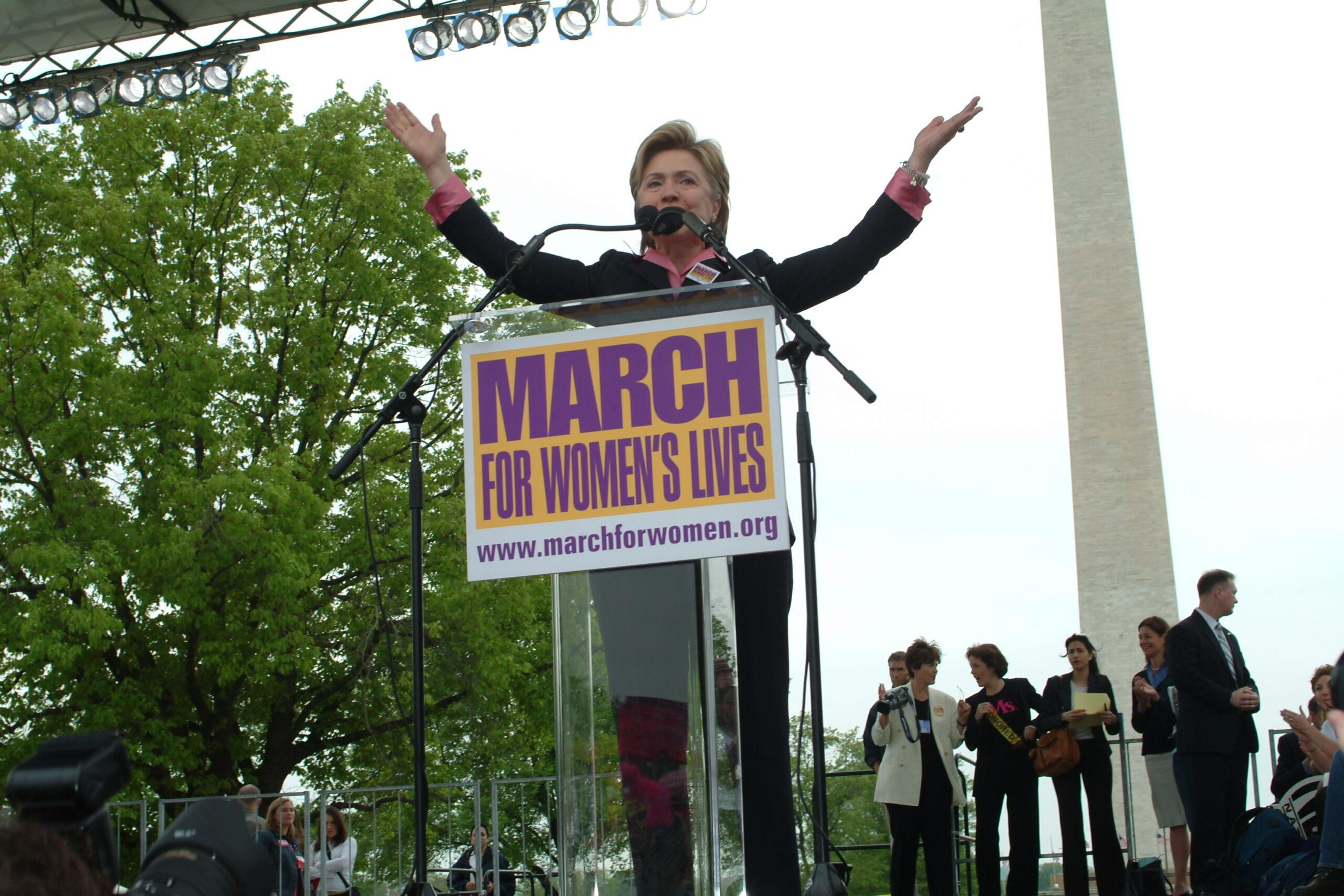
In the kaleidoscopic tapestry of contemporary activism, a fierce, unyielding force has emerged — the March for Our Lives generation. They have etched their names into the annals of social justice not solely through the thunderous echoes of their demands for gun reform, but by weaving themselves into the broader, age-old struggle for feminist liberation. This is not a generation content with compartmentalized causes. Instead, they embrace a holistic, intersectional approach to justice that recognizes the intricate dance between bodily autonomy, racial equity, and civic power. The feminist generation they embody is one that dismantles patriarchal strictures not just through marches and hashtags, but with a profound cultural reawakening. Here, the narrative unfolds across diverse dimensions—from visual storytelling to grassroots organizing, from legal battles to cultural revolutions—each thread reinforcing the indomitable spirit of a generation refusing to be silenced.
Visual Chronicles of Defiance: The Power of Protest Imagery
Visual media serves as a potent conduit for the feminist ethos embedded within the March for Our Lives movement. Photographs capture more than just faces; they capture the rapture of collective resolve and the simmering urgency beneath placards raised high. The vivid tableau of activists, often young women and gender-nonconforming individuals, unites the struggle for reproductive justice with the clarion call for protection from gun violence. These images resist passive consumption. They demand engagement. The juxtaposition of banners advocating for safe schools alongside signs championing abortion rights symbolizes a generation that refuses to select between issues—it’s all or nothing. This visual insurgency is a reminder that feminism today transcends singular narratives and embraces a layered dialogue that intersects with racial justice, queer liberation, and economic equity.
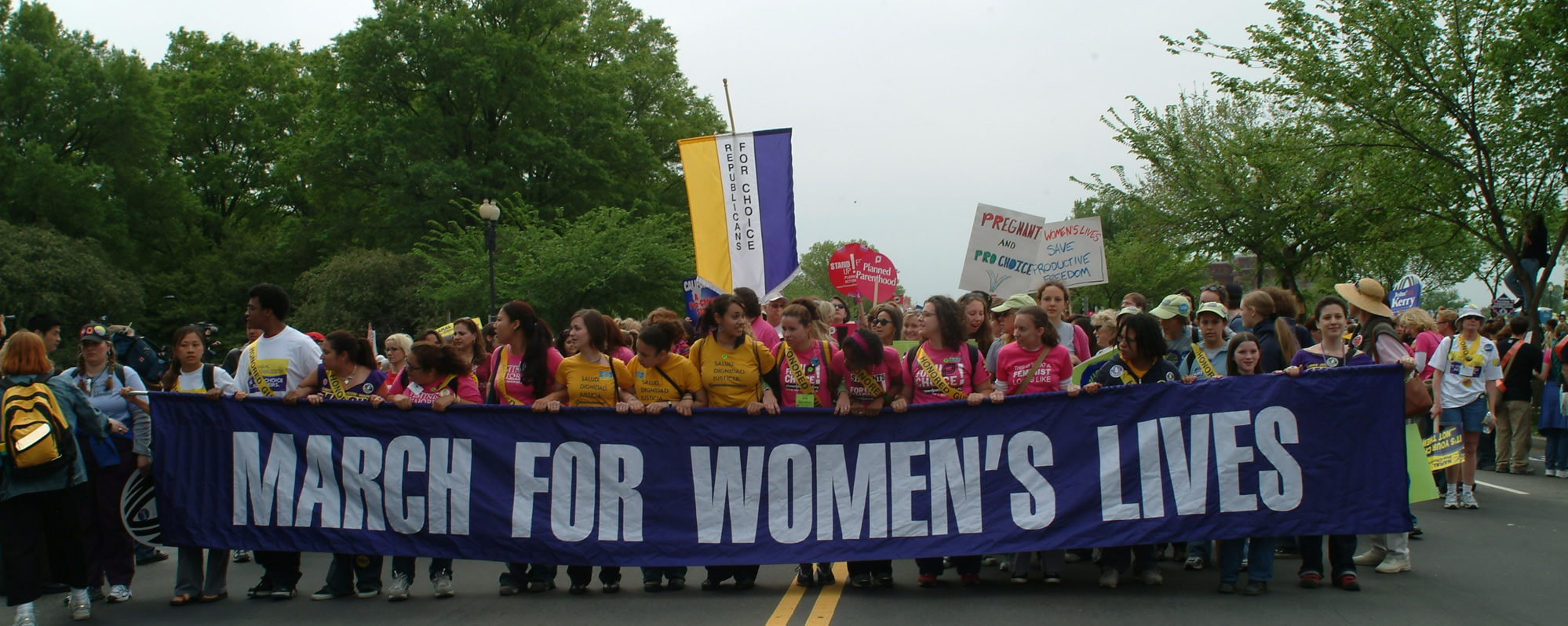
Intersectionality: The Crucible of Modern Feminism
The March for Our Lives generation exemplifies Kimberlé Crenshaw’s concept of intersectionality—not as an academic abstraction but as a lived reality. This framework reveals the multiplicity of oppressions contending within the same space, urging an activist praxis that refuses reductionism. For young feminists mobilizing against gun violence, acknowledging how systemic racism exacerbates vulnerability is essential. Black, Indigenous, and People of Color (BIPOC) voices resonate within this movement, indicting a society where race, gender, and economic status dictate access to safety and autonomy. The feminist generation demands policies that do not merely placate symptoms but confront root causes. This intersectional consciousness is not merely additive but transformational; it envisions a world where justice is indivisible.
Reproductive Rights: The Inextricable Core of Feminist Activism
At its essence, feminism has always been about sovereignty over one’s body. For the March for Our Lives generation, this struggle is palpably linked to the fight against gun violence. The visceral truth is that reproductive justice and physical safety are entwined; both are battlegrounds where autonomy is contested and defended. This generation engages in a defiant reclamation of healthcare rights amidst a political landscape bent on erasure. Clinics become sites of resistance and community hubs, where education intersects with advocacy. The narrative is punctuated by fearless young women who not only march but also organize legal defense funds, lobby for comprehensive sex education, and robustly contest legislative rollbacks.
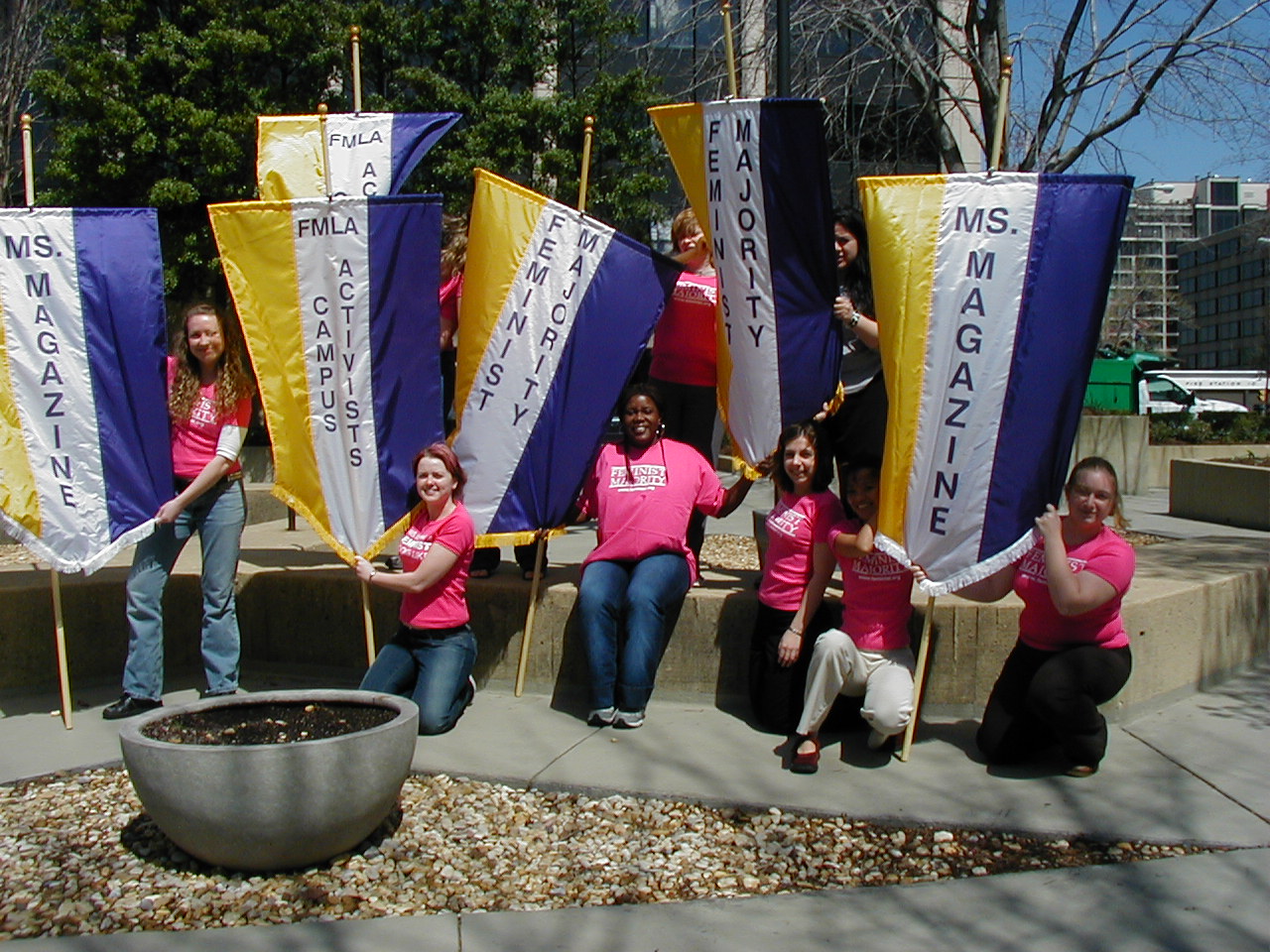
Policy and Legal Advocacy: From Streets to Ballot Boxes
Feminism in this era is not confined to slogans or social media virality; it infiltrates the corridors of power with strategic vigor. The feminist generation behind March for Our Lives recognizes that legislation can be an instrument of emancipation or oppression. They invest in sustained legal advocacy, aiming to overhaul entrenched policies that undergird gendered and racialized violence. This encompasses advocating for enhanced gun control laws, reproductive healthcare protections, and anti-discrimination statutes at both state and federal levels. They actively cultivate young leaders prepared to run for office, reducing the generational gap in political representation. In this way, activism morphs into governance, and protest evolves into policy.
Community Building and Mutual Aid: Feminism as Collective Survival
Beyond the emblematic marches and courtroom battles lies a grassroots ethic of mutual aid that defines this feminist era. The March for Our Lives activists have cultivated localized networks of support—safe spaces where survivors, young activists, and marginalized groups coalesce to share resources, wisdom, and solidarity. This model rejects individualistic paradigms and embraces feminism as a radical communal endeavor. From organizing healing circles to educational workshops, from fundraising to direct service, these actions amplify resilience. They also dismantle hierarchies within activism itself, privileging collaborative leadership and nurturing marginalized voices. Here, feminism is lived and experienced as collective survival, not isolated aspiration.

Cultural Renaissance: Challenging Patriarchy Through Art and Expression
The feminist generation that powers March for Our Lives also pioneers a cultural renaissance, utilizing art, literature, and digital media to challenge patriarchal norms. This resurgence harnesses storytelling to disrupt narratives that render women and marginalized communities invisible or disposable. Poetic justice emerges in spoken word, viral videos, music, and murals—each a cacophony of dissent that shakes the foundation of complacency. These creative vehicles amplify messages that resonate deeply, engendering empathy and mobilizing collective action. Through cultural production, feminism becomes a lived, vibrant experience that transcends protest signs and policy demands.
Conclusion: The Unrelenting Feminist Pulse of a Generation
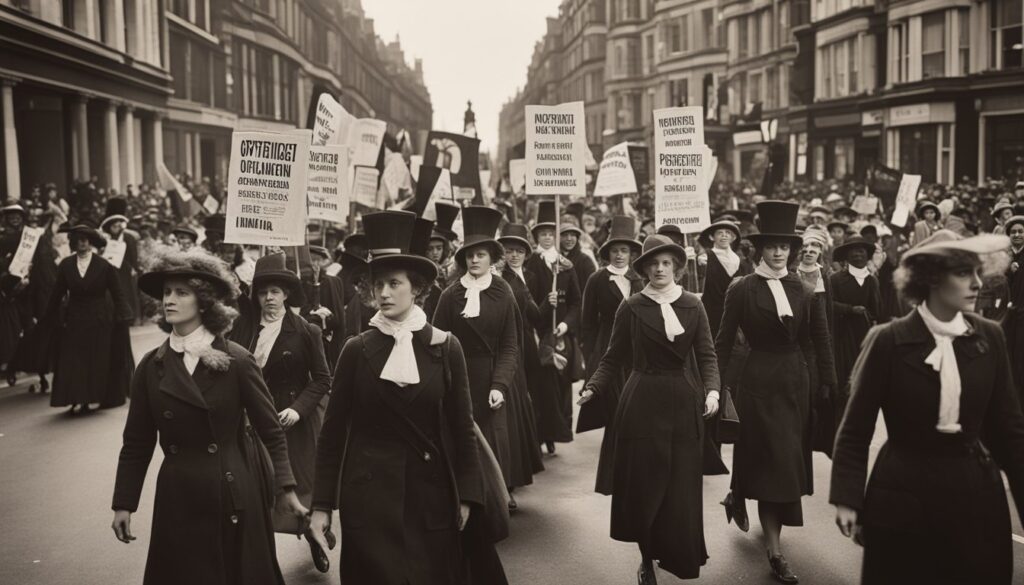
The March for Our Lives generation redefines feminism not as a static label but as a dynamic, all-encompassing force that seizes every avenue of resistance and empowerment. Their activism is a clarion call to recognize that liberation is holistic, ceaselessly weaving together struggles for bodily autonomy, racial justice, gun safety, and political representation. In the act of refusing to compartmentalize their fight, this generation resurrects the radical roots of feminism while propelling it boldly forward. Their story is not only told through legislation or protest but through unrelenting cultural and communal defiance—a feminist symphony that demands to be heard, understood, and sustained.









Leave a Comment