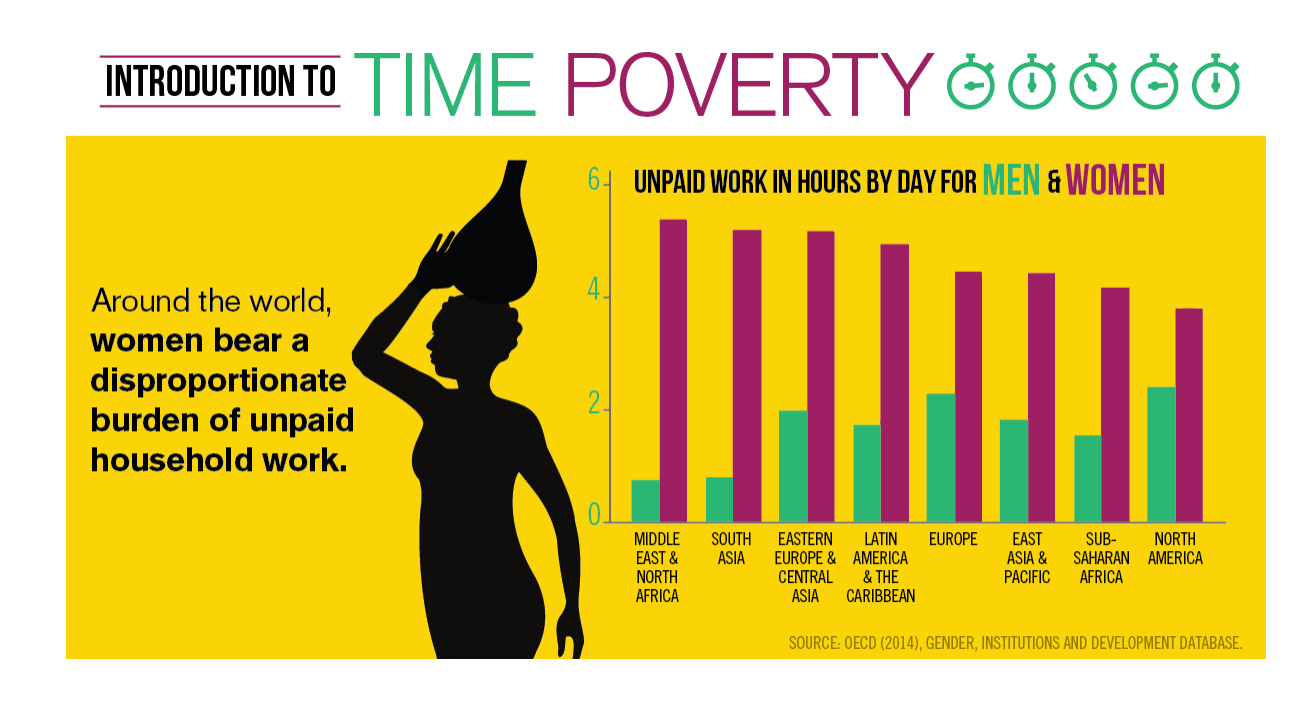
Study abroad programs have long been lauded as transformative experiences that cultivate global awareness, intellectual growth, and personal development. Yet beneath the veneer of opportunity and cultural exchange lurks an insidious and overlooked phenomenon: the persistent gender gap in participation. While much attention is lavished on gender disparities in academic enrollment or wages, the chasm within study abroad demographics remains a scarcely discussed enigma. This gap is not merely a statistical curiosity; it unravels a complex tapestry of societal expectations, safety anxieties, and institutional biases that continue to delimit the horizons of female students worldwide.
The Quiet Divide: Unveiling the Gender Disparity in Study Abroad
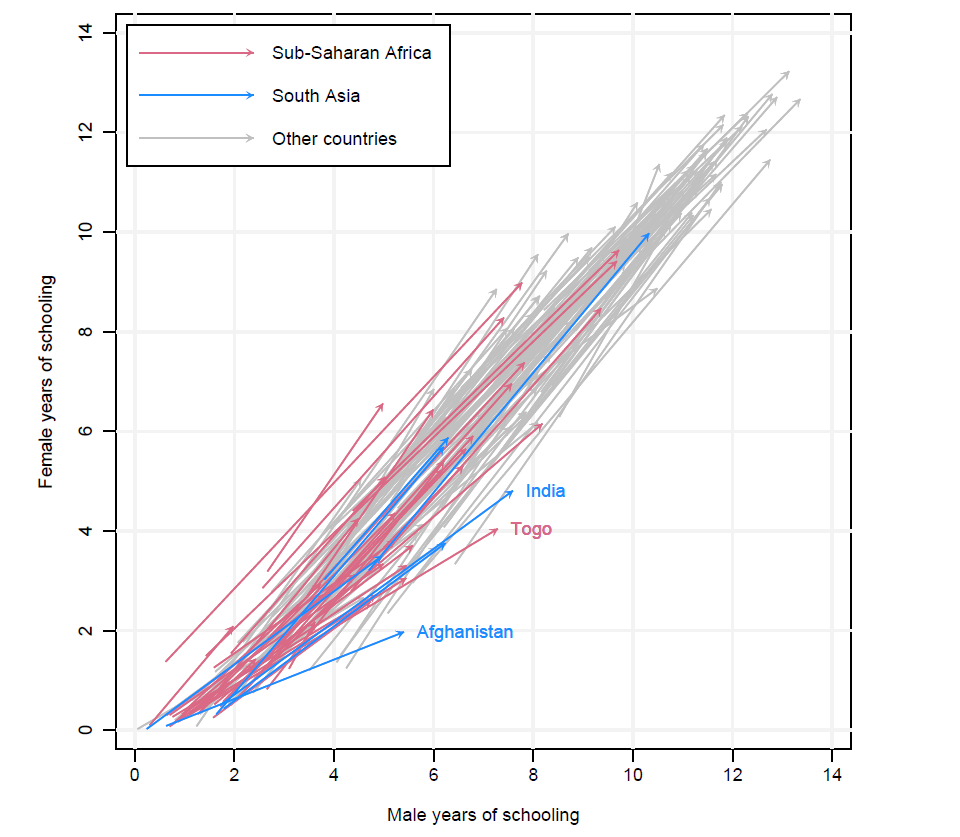
At first glance, one might assume study abroad programs to be egalitarian ventures, open equally to all genders eager to traverse foreign lands. Yet, empirical observations suggest a persistent skew: female students participate at noticeably lower rates despite often outperforming their male counterparts academically. This apparent paradox—where women dominate in educational attainment yet lag in study abroad experiences—demands scrutiny.
Beyond mere numbers, this disparity hints at deeper currents shaped by cultural mores and unspoken apprehensions. The scant discourse on this topic allows the disparity to fester unaddressed, a muted testament to the latent forces that shape not only who travels but who is allowed to envision themselves as global citizens. The silence itself is a symptom of discomfort, a reluctance to confront the nuanced intersections of gender, privilege, and mobility.
Societal Impositions and Safety Concerns: The Invisible Shackles
One cannot disentangle the gender gap in study abroad participation without confronting the oppressive weight of societal expectations. Female students often bear the brunt of safety concerns that their male counterparts rarely experience with the same intensity. Parents, administrators, and students themselves internalize fears—some justified, many exaggerated—about vulnerability abroad. This cautious gatekeeping effectively erects invisible barriers that discourage or outright prevent female students from pursuing international experiences.
The obsession with protecting young women, while ostensibly benevolent, serves as a double-edged sword that limits autonomy. It perpetuates Victorian notions of fragility and dependence, echoing a historical tendency to confine women to domestic or “safe” spheres. Such protectionism paradoxically undermines the very agency study abroad programs purport to foster, stifling female students’ ambitions and curtailing their expansive worldview.
Institutional Bias and the Curriculum’s Role
Universities and study abroad coordinators wield substantial influence over who participates. Yet institutional frameworks often fail to address or even recognize the gendered dynamics at play. Program design, promotional materials, and support systems rarely interrogate how gender intersects with access. Programs tend to reflect dominant cultural narratives that align travel with masculinity, ambition, and adventure, categories that don’t fully resonate with or appeal to all female students.
Moreover, the academic disciplines that most commonly promote or require study abroad—such as business, international relations, or STEM fields—suffer from their own gender imbalances. Female students concentrated in humanities or social sciences might find fewer discipline-specific abroad opportunities, or encounter environments where their presence is marginalized. This systemic negligence exacerbates the gap and propagates a cycle where female underrepresentation is normalized rather than challenged.
The Cultural Fascination with Gendered Mobility
The gender gap in study abroad is not merely a matter of numbers; it reflects broader cultural narratives about movement, exploration, and belonging. Men have historically been cast as global wanderers and explorers—figures who claim space in the public, international sphere. Women, conversely, are often envisioned as caretakers, anchors tethered to family and homeland. This romanticized dichotomy colors perceptions and expectations, influencing individual decisions and institutional policies alike.
This cultural fascination with who moves and who stays stationary wields immense power. It shapes the psyche of young women who may internalize the idea that international mobility is a luxury or risk that society is reluctant to endorse for them. Meanwhile, the allure and prestige of study abroad remain unevenly distributed, reinforcing gendered hierarchies embedded within globalization itself.
Economic Realities and Opportunity Structures
Financial barriers compound the gender gap, intersecting with societal and institutional factors to restrict access. Scholarship opportunities, funding models, and family support often mirror existing inequalities. Women disproportionately suffer from economic constraints, limiting their capacity to seize study abroad chances. Even where funding is available, the ancillary costs—health insurance, security measures, travel expenses—may act as deterrents.
Furthermore, the framing of study abroad as a career-boosting or resume-enhancing experience tends to privilege those already embedded within networks that valorize international experience, often men. Female students may lack access to mentorship or guidance that demystifies application processes or connects their study abroad ambitions with future professional trajectories, deepening the divide.
Breaking the Silence: Toward Equitable Global Experiences
Addressing the study abroad gender gap demands more than superficial fixes. It calls for a fundamental reimagining of safety discourses to empower rather than inhibit. Universities must cultivate curricula and programs that explicitly acknowledge and counteract gendered barriers, offering targeted support and fostering inclusive environments. This includes amplifying female role models who have navigated international complexities successfully, and destigmatizing the risks associated with female mobility.
Moreover, intersectionality should be the lodestar guiding efforts—recognizing how race, class, sexuality, and nationality intertwine with gender to influence access. A holistic approach can dismantle entrenched stereotypes, inviting a recalibration of who belongs in the global arena. Only through such rigorous engagement can the gender gap in study abroad be transformed from a silent, persistent wound into a site of conscious change and empowerment.








Leave a Comment