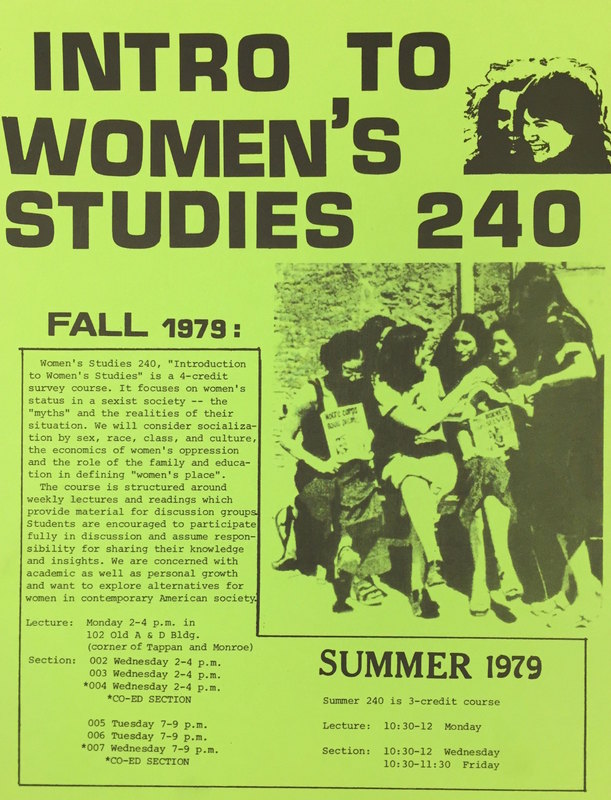
In the vast landscape of academia, where disciplines rise and fall in prestige and popularity, one major stubbornly remains a lightning rod for debate and visceral reactions: Women’s Studies. More than a mere academic concentration, it challenges entrenched power structures, redefines narratives, and questions the very fabric of cultural mores. Yet, nearly half a century after its formal inception, Women’s Studies continues to attract as much criticism as it does admiration. What is it about this field that keeps it perched on the precipice of controversy? Perhaps within its complexities lies a mirror, reflecting society’s unresolved struggles with gender, power, and identity.
Deconstructing Power: Why Feminist Scholarship Disrupts
The heart of Women’s Studies beats with a radical lens that dismantles hegemonic narratives. It refuses complacency with traditional histories that have long marginalized or erased women’s contributions and experiences. This refusal is not a passive academic exercise but a provocation. To study gender through this critical lens is to unsettle patriarchy’s comfortable dominion, unmasking systemic inequalities embedded in laws, media, and everyday social interactions. Such scholarship incites agitation because it demands a reckoning—not just within classrooms but in the sociopolitical arena. Power, after all, rarely yields quietly.

Misconceptions and Misrepresentations: The Cultural Backlash
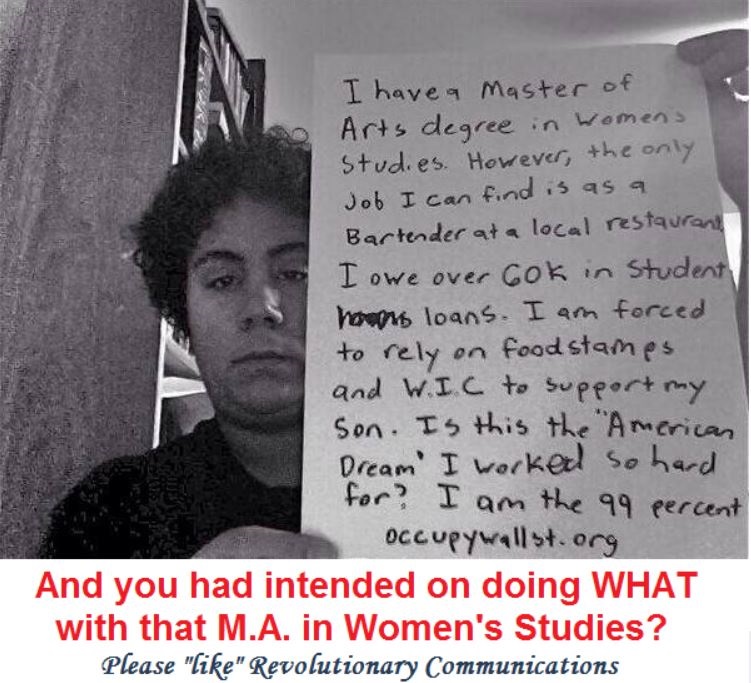
Women’s Studies often falls prey to reductive caricatures—a field dismissed as “angry feminism” or unfairly labeled as political indoctrination. These misrepresentations are weaponized by detractors to delegitimize the major and those who pursue it. The backlash reveals a broader cultural anxiety: the fear that empowering women, and by extension dismantling patriarchal norms, threatens the status quo. Consequently, Women’s Studies becomes a scapegoat, accused of fostering divisiveness rather than acknowledging its foundational aim of fostering equity and understanding. This tension between public perception and academic intent fuels much of the persistent controversy.
The Intersectional Promise: A Paradigm Shift in Perspective
Far beyond a singular focus on “women,” Women’s Studies thrives on intersectionality—acknowledging the tangled interplay of race, class, sexuality, ability, and nationality alongside gender. This multifaceted approach creates a profound shift in perspective, challenging simplistic binaries and encouraging nuanced understanding. It compels scholars and students alike to confront uncomfortable truths: that gender oppression is neither monolithic nor experienced universally. By demanding that we acknowledge diversity within marginalization, Women’s Studies fosters empathy and cultivates coalitional politics. This is more than academic enrichment; it is a call to reimagine society itself.

The Challenge of Legitimacy: Academia’s Gatekeeping
Despite decades of institutional presence, Women’s Studies still contends with questions of academic legitimacy. Its interdisciplinary nature and activist roots unsettle traditional epistemologies that prioritize “objective” science and empirical distance. Critics argue it lacks rigor or is excessively ideological. Such critiques surface a deeper discomfort with scholarship that blends theory with praxis, that merges intellectual inquiry with sociopolitical commitment. Yet it is precisely this blending that invigorates Women’s Studies, producing scholarship that not only analyzes but actively envisions social transformation. The very qualities that spark skepticism also make the major invaluable and irreplaceable.
Why the Controversy Persists: The Societal Reflection
Controversy around Women’s Studies is a symptom of unresolved societal tensions. At its core, this major exposes the fissures in our collective conscience regarding gender justice. Discomfort arises because the questions raised threaten complacency; they force a confrontation with ingrained prejudices, economic disparities, and cultural blind spots. Women’s Studies marches at the vanguard of change, summoning voices historically silenced. This vocation attracts both admirers and adversaries because it cuts to the core of who shapes knowledge and whose narratives are deemed worthy. Controversy, then, is not accidental but intrinsic—proof that the field continues to stir necessary upheaval.
Looking Forward: The Vital Role of Women’s Studies in a Changing World
As the world intensifies its reckoning with inequality, Women’s Studies stands poised to reshape the intellectual and social landscape. It promises not just critiques but solutions—rooted in inclusivity, justice, and empathy. In an era of global crises and cultural conflicts, feminist scholarship offers transformative frameworks for understanding power dynamics across borders. It beckons new generations to question inherited assumptions and to craft futures that are equitable and vibrant. The controversies that swirl around it are neither deterrents nor distractions but invitations—to disrupt, to learn, and ultimately to transcend.











Leave a Comment