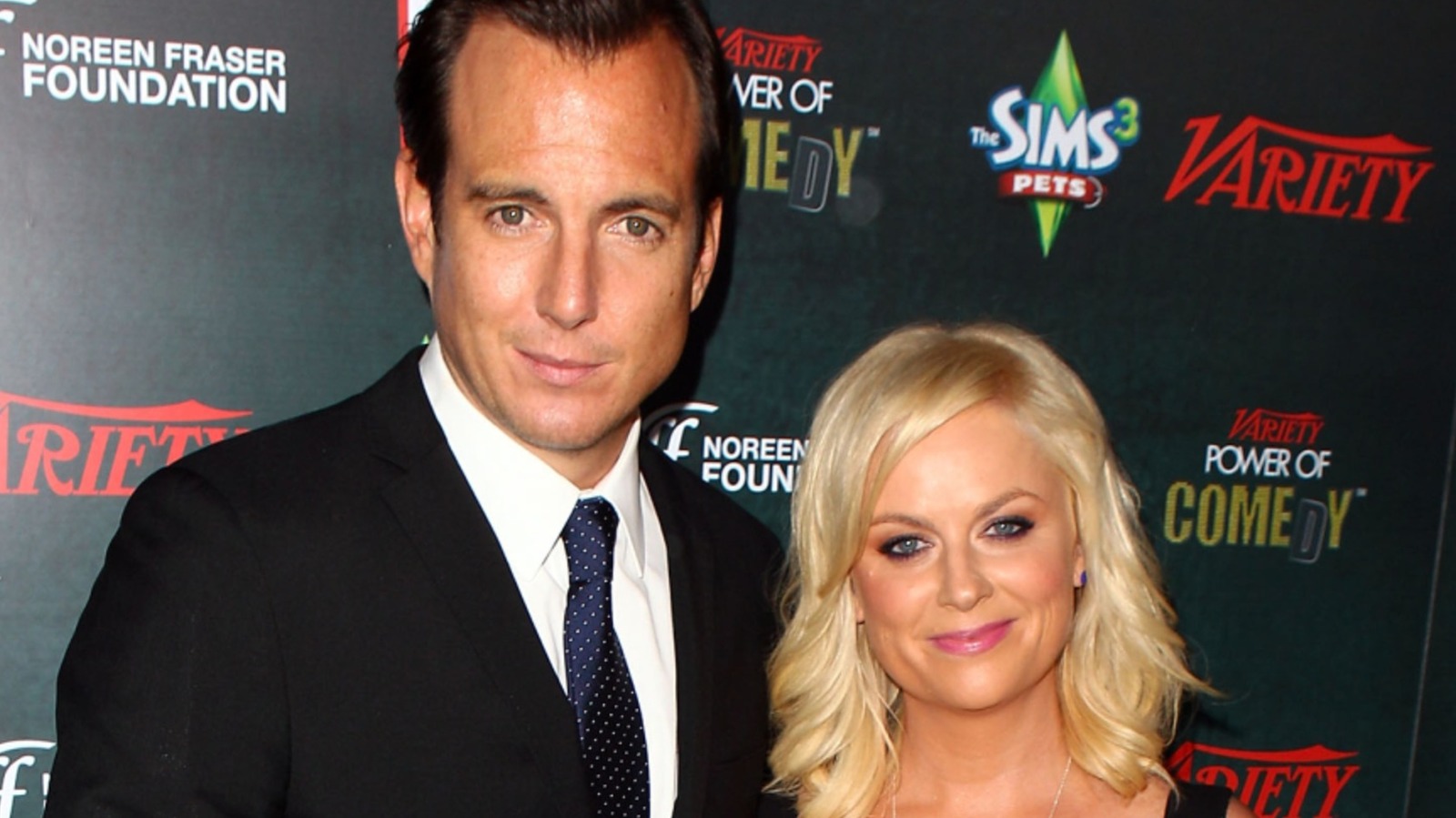
Is the archetypal “Wife Guy” inevitably destined for the equally infamous “Divorce Guy” spotlight? In the kaleidoscopic world of celebrity culture, where public personas are meticulously curated and personal lives are a swirling spectacle, an intriguing, if not unsettling, trajectory emerges. We witness the metamorphosis from doting partner to anguished ex, often broadcast with poetic flair or bitter candor. But what if this isn’t just happenstance? Could the very framework that elevates the “Wife Guy” set him up for a spectacular downfall into the “Divorce Guy” narrative? This exploration peels back the glossy veneer of celebrity matrimony to reveal a paradox rife with societal expectations, media sensationalism, and deeply entrenched gender dynamics.
The Illusion of the Ideal “Wife Guy”: A Performance Primed to Unravel
The “Wife Guy” is more than a man who simply has a wife; he’s a cultural emblem of idealized devotion. From meticulously staged Instagram posts to tender public declarations, this persona sells a package of romantic fidelity that feeds a voracious media and fan appetite. Yet, this carefully constructed image often camouflages a brittle foundation—one as performative as it is precarious.
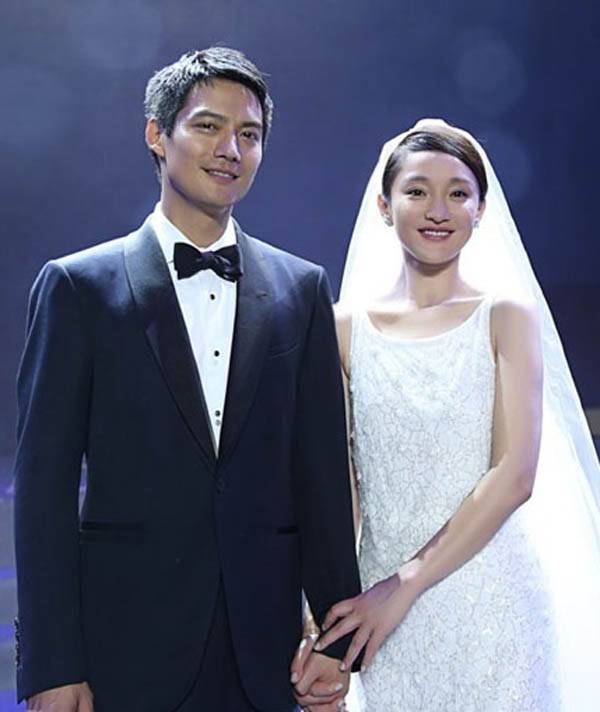
The performative nature of the “Wife Guy” archetype propels a man into a hyper-visible role, which paradoxically stifles authentic vulnerability. The constant demand to embody a flawless partner can suffocate the complexities of real relationships. When cracks inevitably emerge, they are dissected with an almost ritualistic fervor, laying bare the contradiction between the curated public image and private reality.
Celebrity Divorce: The Glamourless Abyss Behind the Headlines
Despite the gloss, divorce shreds apart the fantasy, revealing an unvarnished truth rarely fit for prime time. The transition from “Wife Guy” to “Divorce Guy” is often marinated in public scrutiny and invasive speculation. This descent strips celebrities of their fairy tale halo, exposing the raw, unfiltered agony and messy human aftermath lurking beneath.
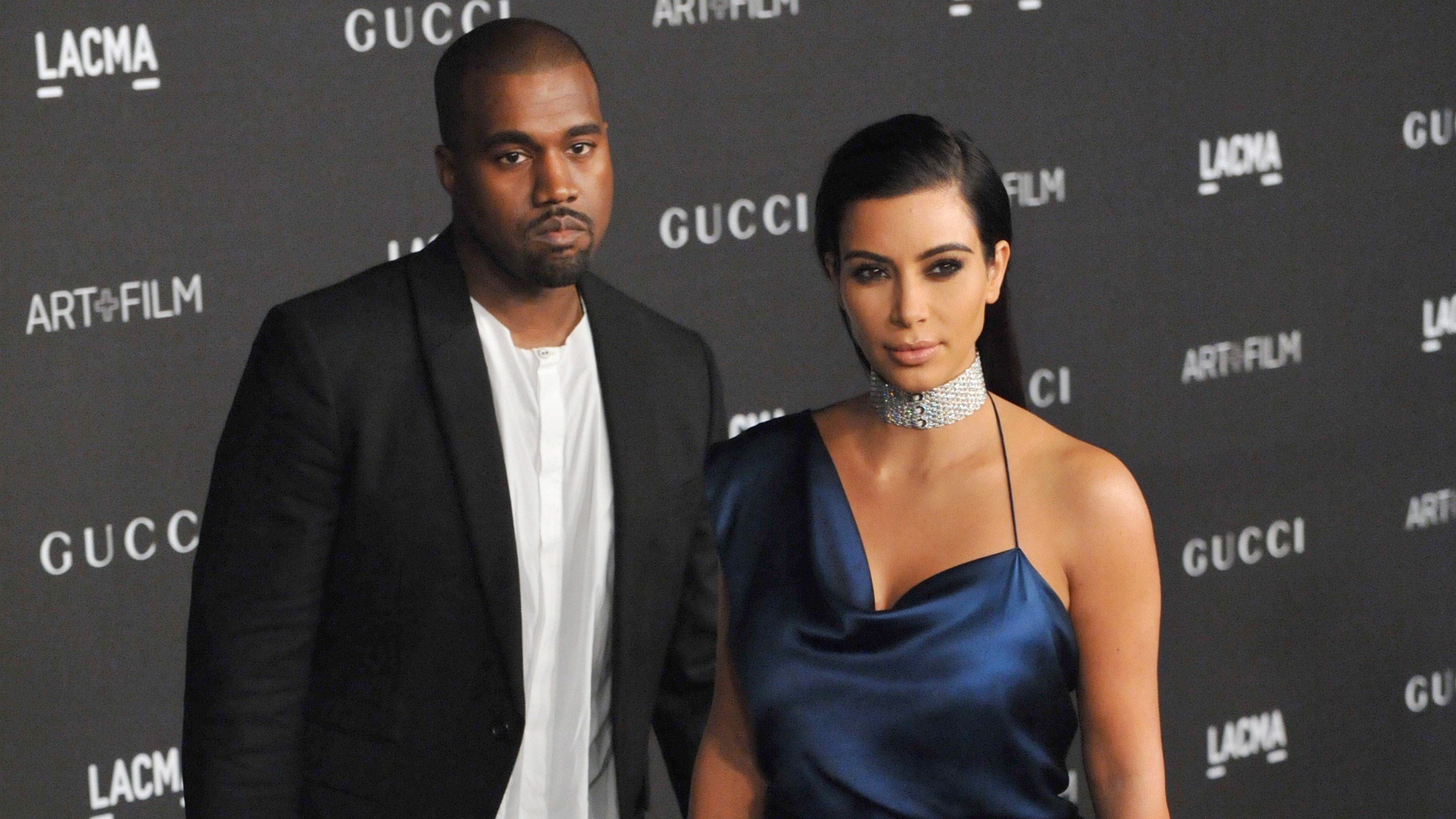
What the public fails to see is the insidious toll of constantly being watched, judged, and postured against an impossible standard. Divorce isn’t a glamorous exit strategy; it’s a battleground of emotional wreckage, reputation preservation, and media commodification. The once-celebrated “Wife Guy” is thrust into a narrative of failure, often as the antagonist, regardless of the complex truths hidden behind tabloid simplifications.
Social Media’s Role in Accelerating the Scandal Cycle
Social media acts as both confessional and executioner in the “Wife Guy” to “Divorce Guy” journey. It cultivates a pressure cooker of performative affection, then swiftly turns into a battlefield of revelations and accusations once the veneer cracks. The immediacy of digital platforms feeds the relentless 24-hour news cycle and public thirst for emotional spectacle.
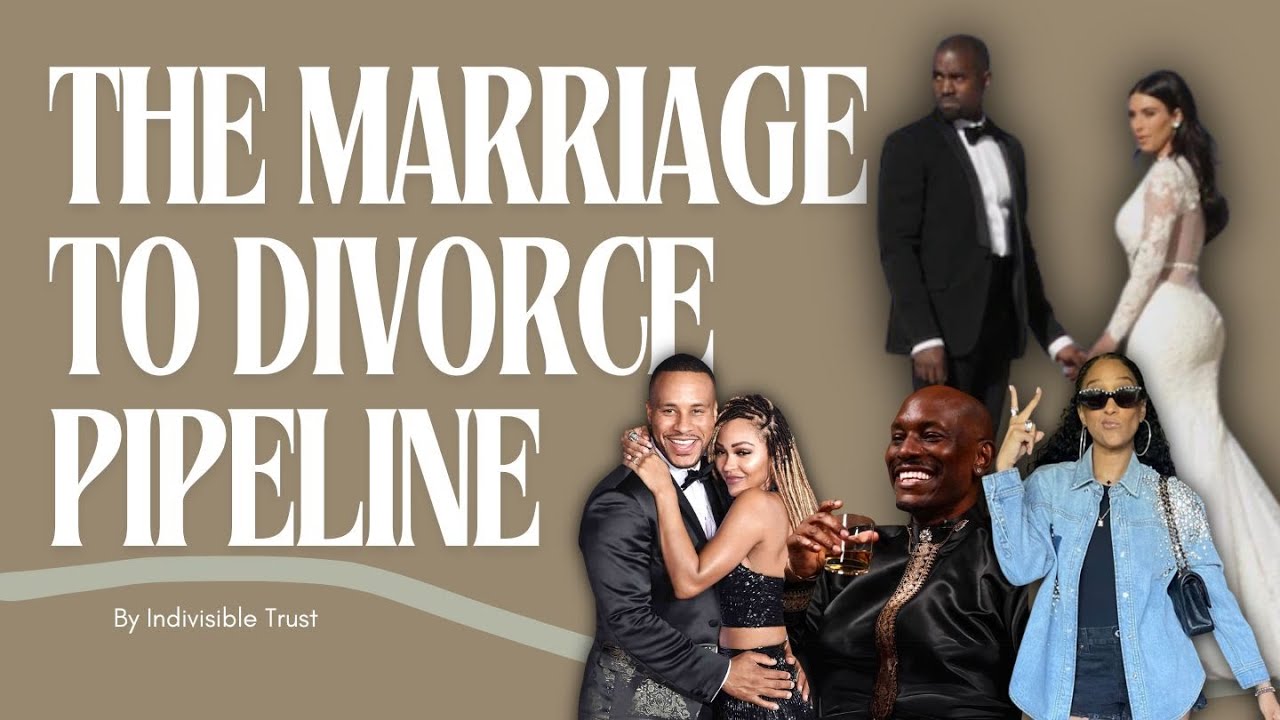
The irrepressible urge to detail every nuance of one’s personal life for online consumption creates an ecosystem where the marriage pipeline is rarely private, and the divorce fallout inevitably viral. This public exposure exacerbates tensions and often accelerates the transformation from idealized spouse to scandal-ridden ex.
Gendered Expectations and the Burden of the “Wife Guy” Persona
The “Wife Guy” phenomenon rides on traditional gender scripts that sensationalize male devotion yet paradoxically punish vulnerability. Society demands that men exalt their partners performatively but demonizes emotional transparency that signals weakness. This no-win scenario tightens the noose around celebrity men navigating public relationships.
The subsequent fall into the “Divorce Guy” category is often not just about individual failings but reflective of gendered double binds. The melodramatic spectacle of celebrity divorce becomes a societal theater where masculine identity is both defended and dismantled. This public undoing underscores how fragile the “Wife Guy” construction truly is.
Is the Pipeline Unavoidable or Can the Cycle Be Disrupted?
So, we return to the playful—yet probing—question: is the journey from “Wife Guy” to “Divorce Guy” an inevitable rite of passage in celebrity culture? Or can this damaging pipeline be dismantled? Perhaps the answer lies not only in the individuals but in the societal structures that amplify, distort, and demand these narratives.
To disrupt this cycle, there must be a reckoning with the unrealistic ideals imposed on public relationships and a recalibration of what emotional openness looks like for men in the limelight. Authenticity over spectacle, empathy over judgment, and privacy over performativity might be radical prescriptions in a glitzy world that thrives on drama.
Conclusion: Toward a More Nuanced Narrative of Celebrity Relationships
Behind every headline about a “Wife Guy” turned “Divorce Guy” lies a tangled web of expectations, media machinations, and gender performances. The public’s fascination with this pipeline says less about celebrity failings and more about cultural appetites for narrative cycles of rise and ruin. In challenging these patterns, there’s an opportunity to cultivate a richer, more compassionate understanding of love, loss, and identity beyond the celebrity spectacle.










Leave a Comment