
In the volatile maelstrom of gender dynamics and political discourse, the metaphorical journey from the alluring yet treacherous “Red Pill” to the consoling embrace of the “Blue Pill” manifests as a complex pipeline especially pertinent to many women’s experiences today. This trajectory is not merely a simplistic shift in worldview; it promises a profound recalibration of perception, identity, and agency within structures that often seem designed to confine rather than liberate. The Red Pill beckons with the seduction of unveiled “truths” and harsh realities, yet too frequently ensnares women in ideologies that stifle progress and foment disillusionment. Conversely, the Blue Pill symbolizes a return to nuanced understanding and collective empowerment, albeit through its own labyrinth of challenges. To comprehend this transition is to grasp the interplay between ideological seduction, epistemic awakenings, and the reclaiming of feminist narratives in an era thirsting for clarity and justice.
The Red Pill: The Mirage of Awakening
The Red Pill, as a symbol, emerged from pop culture yet has morphed into a beacon for certain ideological movements promising radical awakening—often underpinned by reactionary or misogynistic undertones. To many impressionable women, this pill offers the irresistible allure of piercing through societal facades and the hypocrisies of progressive rhetoric. It promises clarity, strength, and defiance against what is portrayed as a gynocentric world. However, this awakening is frequently skewed. It propagates a worldview steeped in reductionism, where complex gender interactions are distilled into rigid dichotomies and conspiratorial ratiocinations.
Here, the intimate becomes politicized and personal experiences are weaponized to justify sweeping generalizations. Women caught in this ideological snare may initially feel empowered—fortified by radical skepticism toward mainstream narratives—but soon find themselves isolated in echo chambers that palliate grievances rather than resolving them. The Red Pill, paradoxically, often distances rather than connects, fostering cynicism that erodes the foundational pursuit of equality.

The Pipeline Effect: How Women Are Lured and Enmeshed
The transition into Red Pill communities for many women is less a conscious choice and more a gradual entanglement. It begins with curiosity—the latent dissatisfaction with dominant feminist paradigms or the seeming irrelevance of gender discourse in modern life. Online forums, social media, and anecdotal testimonials act as siren calls that offer neat explanations to profound, multifaceted social dilemmas.
This pipeline is characterized by incremental cognitive shifts: skepticism toward institutional feminism, disenchantment with perceived “political correctness,” and fascination with contrarian perspectives. The seductive simplicity of Red Pill dogma offers an intoxicating promise of certainty amid chaos. Yet, what begins as intellectual rebellion may become ideological imprisonment, where alternate viewpoints are dismissed as part of a broader conspiracy or “matrix” designed to blind the awakened.
Throughout this process, women often adopt a veneer of defiance that masks deeper vulnerabilities and the quest for authentic recognition. It is a perilous pipeline—a seductive labyrinth that obscures path back to inclusive, intersectional feminism and genuine self-empowerment.
The Blue Pill: Embracing Complexity and Collective Liberation
To reject the Red Pill is not to naively surrender to illusion. The Blue Pill stands for the often arduous choice to engage with complexity, to accept contradictions, and to nurture empathy over antagonism. For women traversing this pipeline, this return or awakening to the Blue Pill represents the reclamation of a nuanced worldview—one that refuses binary categorizations and embraces the fluidity of identity and power.
The Blue Pill does not sugarcoat injustices; rather, it invites the acceptance that social transformation is a multifaceted, iterative process demanding collaboration and self-reflection. It posits that liberation is not a zero-sum game where one group’s ascendancy necessitates another’s downfall. Instead, it evokes solidarity rooted in intersectionality, recognizing the gradations of privilege and marginalization that define every individual’s experience.
Women embracing this perspective find strength in vulnerability, potency in solidarity, and hope in the ongoing struggle rather than the illusion of instantaneous enlightenment. It is a difficult but ultimately richer terrain where possibility for authentic empowerment thrives beyond reductive ideological strictures.
Bridging the Chasm: From Disillusionment Back to Awareness
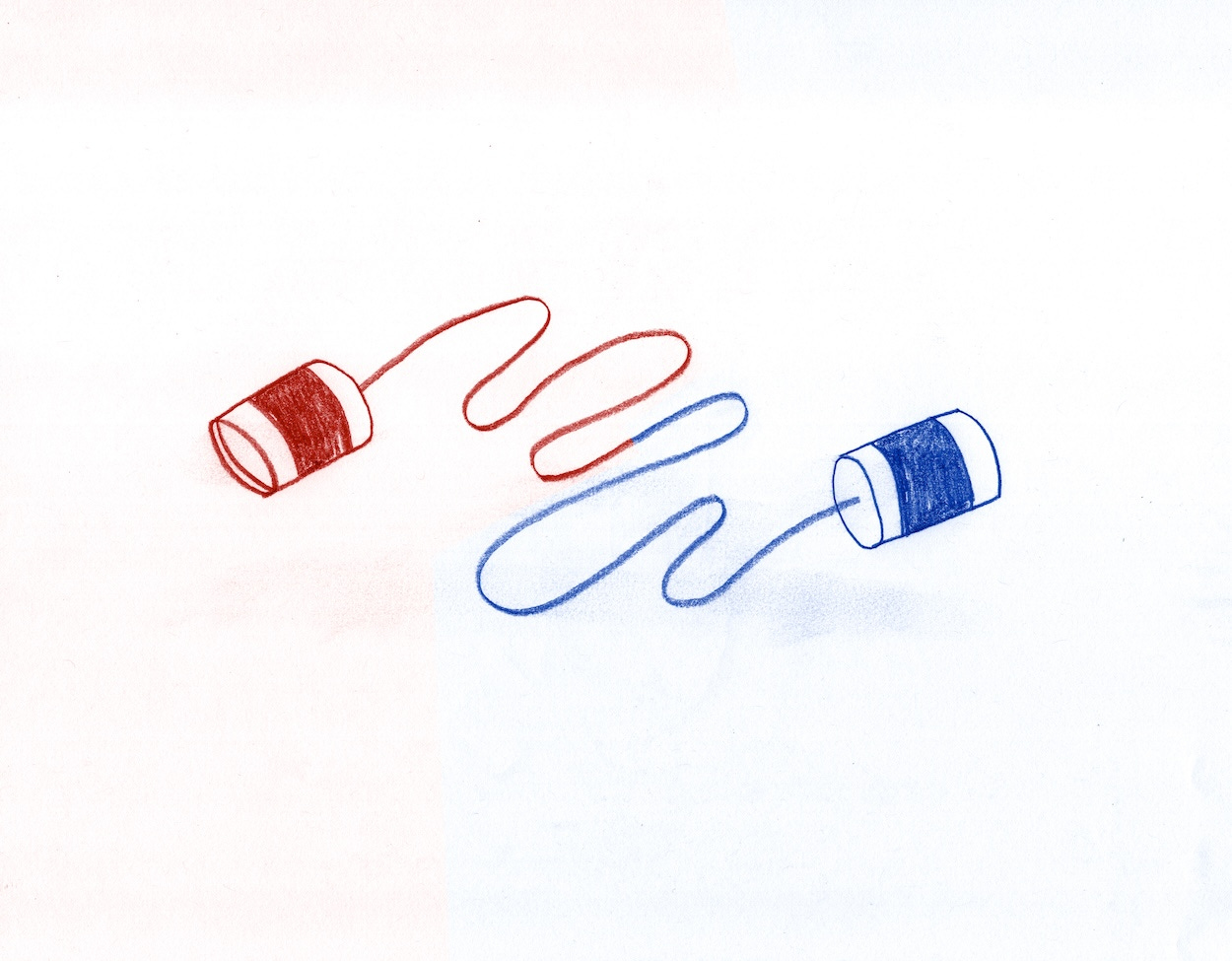
One of the most crucial, yet overlooked dimensions of the Red to Blue Pill pipeline is the potential for reconnection—an intellectual and emotional bridge that offers women an exit from the alienating confines of reactionary ideology. This bridging requires cultivating epistemic humility: the willingness to question not only societal norms but also one’s own certitudes. It demands the unsettling realization that no single ideology holds the monopoly on truth.
Reclamation of discourse spaces—online and offline—as arenas for critical yet compassionate dialogue becomes paramount in this process. Women must be offered narratives that validate their lived experiences while encouraging growth beyond victimhood or adversarial posturing. Support networks, feminist praxis, and inclusive communities become vital to nurturing these transitions.
This pathway back is neither linear nor guaranteed. Yet it glimmers with the hope that intellectual awakening need not succumb to nihilism or bitterness but can evolve into a dynamic, ethical engagement with the world—one inviting transformation at both individual and structural levels.
Conclusion: The Power of Choice and the Promise of Perspective
The Red Pill to Blue Pill pipeline for women is not simply about ideological allegiance; it is a crucible of identity, agency, and the hunger for authentic liberation. It underscores how seductive certainty can become and why complexity must be courageously embraced. The journey from reductive awakening to inclusive empowerment reflects a broader reckoning with the polarizations that fragment societies and silence nuanced voices.
For women daring to navigate these treacherous waters, the promise of shifting perspectives goes beyond intellectual curiosity—it demands a radical reimagining of solidarity, power, and selfhood. The Blue Pill does not offer easy answers, but it extends an invitation to a transformative praxis forged in complexity, resilience, and hope. Choosing this path is a profound act of rebellion against simplistic binaries and an embrace of the multifaceted realities that shape gendered lives today.





Leave a Comment