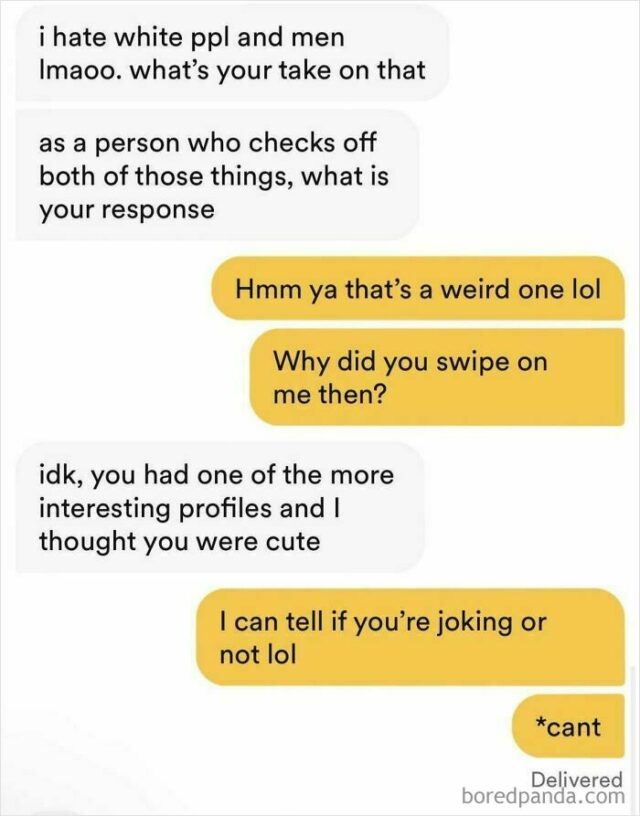
In the digital labyrinth of social interaction, where facades sparkle and intentions lurk like shadows, one moment can unravel the entire charade. When a “nice guy” slid into her DMs with the veneer of sincerity, she drew back the velvet curtain, exposing a far grittier truth beneath. The reverberations were seismic—echoing through the screens of over 20 million women, she gave voice to a silent chorus long muffled by social convention. This was not just an unmasking of one message; it was a magnifying glass held to an entire, pervasive culture. Here lies a narrative carved in pixels and punctuation, unraveling what it means to be “nice” in a world hungry for authenticity yet shackled by performative niceties.
The Facade of Niceness: When Charm Conceals Control
Niceness—the word itself glimmers with softness, gentleness, kindness. But in a digital age fractured by curated realities, “nice” often resembles the dazzling lure of a carnival mirror: distorted, deceptive, and laden with unspoken expectations. The “nice guy” trope is a performance, a carefully honed act designed to ensnare, rather than engage in genuine connection. Beneath the saccharine words often lies a covert contract, an unvoiced sense of entitlement masked as affection. She shattered that illusion, revealing the glossy veneer under which manipulations fester. Like a serpent in Eden, niceness here is a masquerade, waiting to ensnare the unsuspecting.
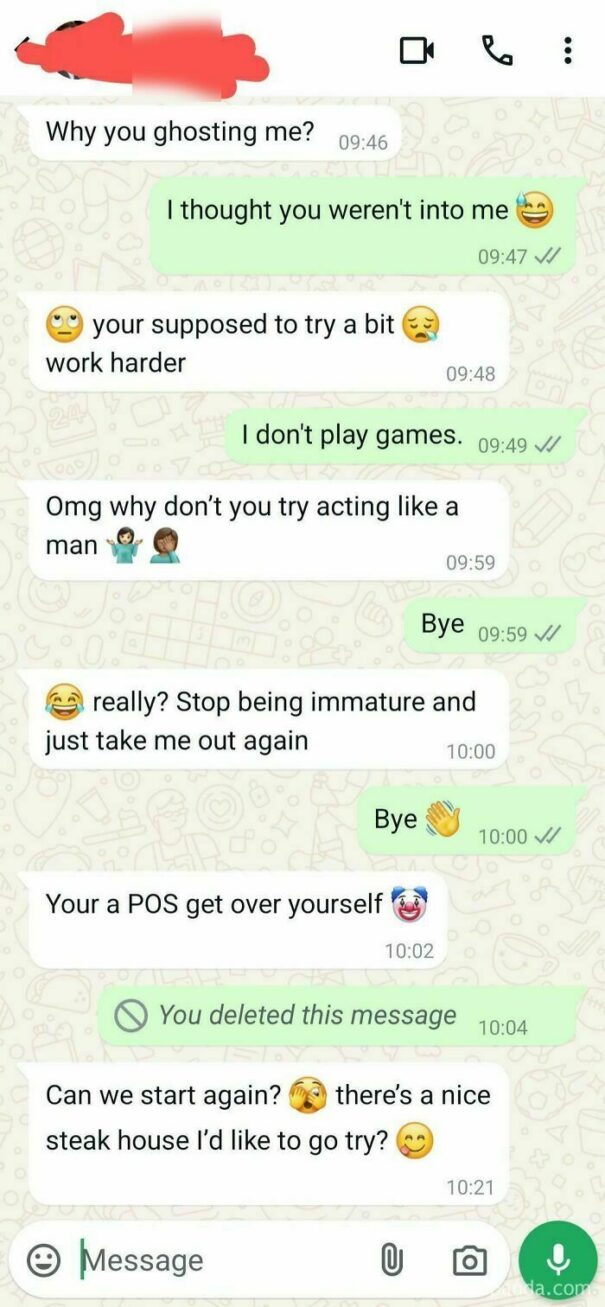
Digital Confessional: The Anatomy of a ‘Nice Guy’ DM
Inboxes have become confessionals and battlefields alike. Within the seemingly benign space of a direct message lurks a complex dance of power, pity, and persuasion. The message she exposed was textbook—a litany of feigned vulnerability, subtle gaslighting, and a hidden ledger of perceived favors. Each sentence was a thread in an elaborate spiderweb designed to elicit sympathy and erode boundaries. Yet, when illuminated by candid critique, the web unraveled, exposing the sticky traps that many endure without recognition. The key lies in the dissonance between the words and their underlying intent—a discord she illuminated with surgical precision.
The Avalanche of Solidarity: 20 Million Voices Rising
Her revelation did not merely stop at exposing a single “nice guy.” It invoked a wildfire of solidarity among millions who recognized their own encounters in this digital drama. Twenty million—a number vast enough to feel less like a crowd, and more like a tidal force reshaping the cultural coastline. This mass empathy was a declaration, loud and insistent, that the subtle violence of manipulative “niceness” is no longer tolerable. The collective resonance transformed an isolated exposure into a potent social statement about agency, authenticity, and respect in the digital age.
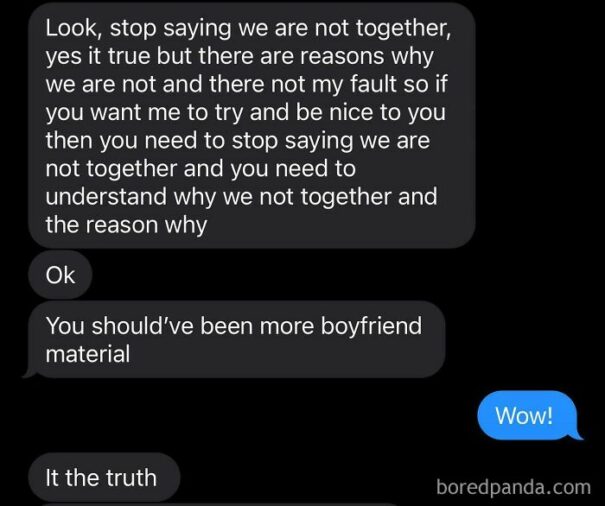
Unmasking the Entitlement: When Niceness Becomes a Bargain
What twists the knife most sharply in this narrative is the transactional undercurrent masquerading as kindness. The false currency of “niceness” is often spent with an expectation of emotional or physical debt—a debt silently tracked and desperately collected. This unspoken tally sheet reveals entitlement lurking beneath generosity, as if affection or attention are rewards due rather than choices freely given. Bearing witness to this exposes a toxic cultural ideology that equates worthiness with performative compassion. The exposure forces us to confront how social scripts may conspire against genuine intimacy, turning kindness into a bargaining chip rather than a gift.
Redefining Strength: The Power of Exposure and Vulnerability
In the midst of this digital theater, the act of exposure becomes a radical form of strength and vulnerability intertwined. To publicly reveal a “nice guy” DM is to dismantle the armor of silence and shame that often protects such manipulations. It demands courage—a bold refusal to remain complicit in the comforting lies of “just being nice.” Through this revelation, the audience witnesses not humiliation but empowerment; a collective breath drawn deep in the pursuit of liberation. In vulnerability, a new kind of strength is forged, one that refuses to sanitize toxic behaviors for the sake of societal comfort.

The Aftermath: Cultural Ripples and Changing Conversations
The ripples of her revelation continue to wash over social discourse, challenging not only individual interactions but the archetypes that sustain them. Conversations have begun to sift through the rubble of old assumptions, questioning the myth of the “nice guy” as an inherently virtuous figure. What emerges is a more nuanced understanding of consent, respect, and emotional labor—a lexicon that refuses to excuse passive aggression or entitlement under the cloak of kindness. This shift signals a burgeoning cultural literacy, equipping millions to recognize and resist manipulation hidden in pleasantries, and fostering communication grounded in honesty rather than obligation.
A New Lens: Rethinking Niceness in the Digital Era
Ultimately, this exposure invites every individual to reconsider the lenses through which we view kindness and pursuit. Niceness, when uncritically accepted, becomes a trapdoor, dropping women into a labyrinth of unseen expectations and silenced frustrations. But when examined and challenged, it transforms into a language of empowerment—an authentic expression of respect, empathy, and mutual care. In the endless scroll of social media, where facades catch light like fireflies, this new lens offers clarity. It is an invitation to value the authentic over the performative and to demand that niceness be genuine, not a gilded cage.
In exposing one “nice guy” DM, she unraveled a complex tapestry of social dynamics, unmasked entitlement disguised as kindness, and ignited a historic swell of solidarity. For the millions who have long navigated this terrain, it was a moment of catharsis and awakening. The question now is no longer if this culture of performative niceness will be questioned, but how deeply it will be dismantled to pave the way for connections rooted in truth.









Leave a Comment