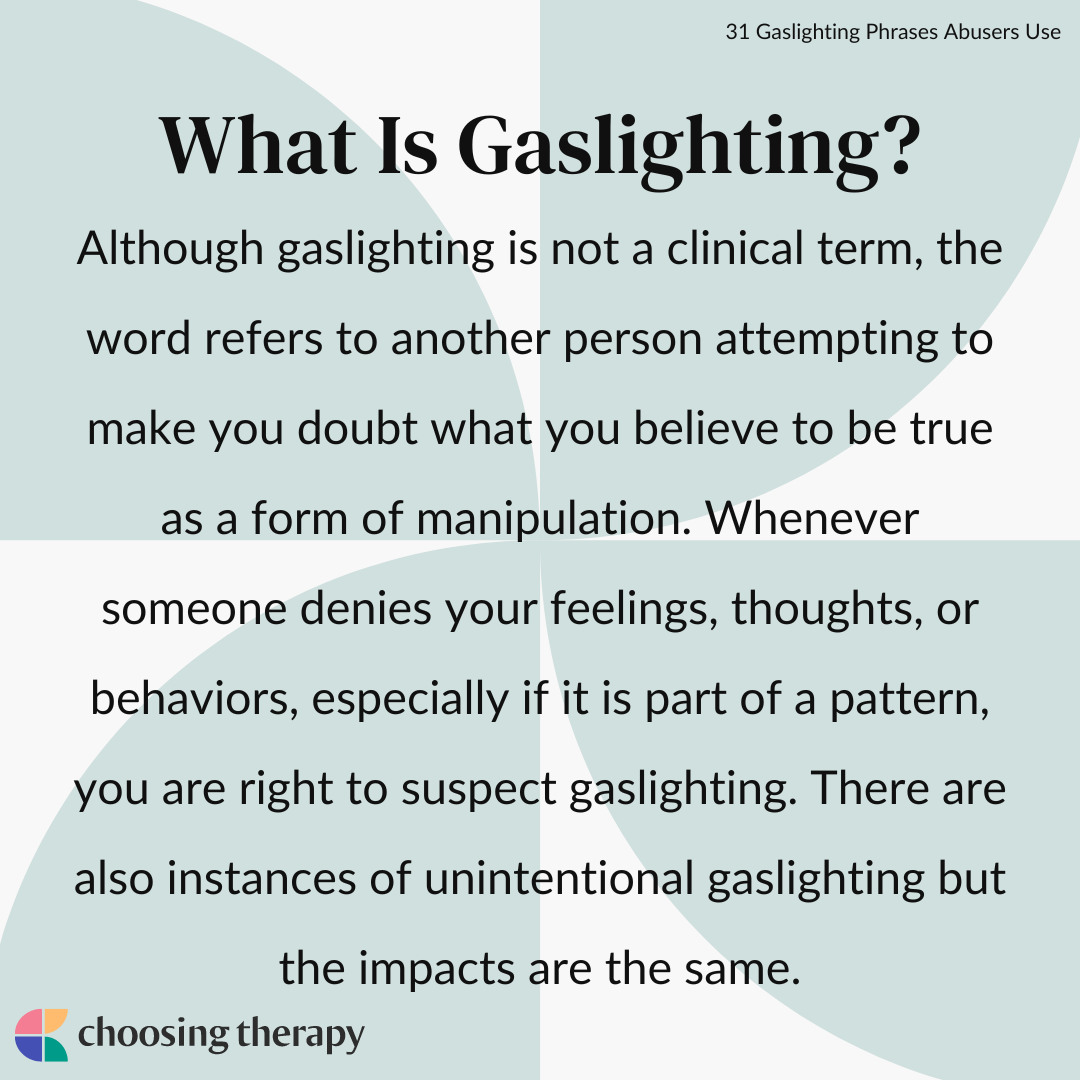
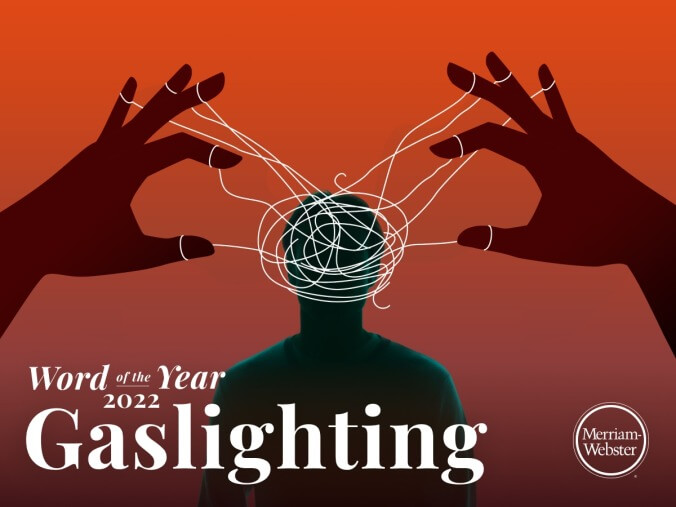
In a world increasingly obsessed with decoding interpersonal dynamics, the term “gaslighting” surged beyond the boundaries of clinical psychology to invade mainstream discourse, capturing the zeitgeist of 2022. Merriam-Webster crowned it their word of the year, spotlighting a phenomenon as pervasive as it is insidious. Yet, despite its newfound ubiquity, most wield the term with a careless imprecision that veils the true implications of this manipulative tactic. This linguistic inflation does more than muddle understanding — it subtly undermines the gravity of psychological abuse and dilutes the urgency with which we must confront it.
The Cultural Obsession with Gaslighting: Why Now?
Gaslighting did not materialize in a vacuum. Its sudden proliferation in public conversations mirrors an age marked by widespread distrust—towards institutions, media, and even each other. Suspicion colors our interactions with an undercurrent of anxiety and paranoia. In this context, gaslighting emerges as the perfect metaphor for broader societal malaise, an emblem for feeling unseen, unheard, and disbelieved. The term’s ascendancy reveals a collective hunger to articulate the subtle violences that erode one’s sense of reality in personal relationships, workplaces, and beyond.
This fixation is no mere linguistic fad. It signals a growing awareness of emotional and psychological abuse, often overshadowed by more visible forms of violence. Recognizing gaslighting affirms victims’ lived experiences, validating their struggle against manipulation. The phenomenon resonates deeply because it encapsulates what many previously felt but lacked words for—a slow, systematic erosion of self-trust and autonomy.
The Semantic Dilution: When Gaslighting Becomes a Catch-All
Ironically, as gaslighting gains popularity, it risks becoming a catch-all accusation, detached from its precise meaning. Social media platforms bustle with claims of “gaslighting” tossed casually into everyday disagreements or general miscommunication. This rampant misuse not only trivializes genuine cases but also clouds public understanding, creating a linguistic miasma where anyone who challenges another’s version of events is branded a gaslighter.
The consequence? A devaluation of victims’ actual experiences. True gaslighting involves an intentional and systematic effort to destabilize and delegitimize the victim’s perception of reality. It is a strategic form of psychological weaponry, requiring intent, repetition, and often a sustained power imbalance. Casual or imprecise use divorces the term from these critical components, making it both less credible and less useful in fostering meaningful dialogue about abuse.
Power, Control, and the Gendered Dimensions of Gaslighting
Peeling back the layers reveals that gaslighting is not just about manipulation — it is about power and control, often wielded in deeply gendered contexts. Historically and culturally, women have been disproportionately subjected to gaslighting tactics, particularly within intimate relationships or patriarchal structures where their voices are systematically marginalized.
The term’s popularization taps into a feminist critique of how emotional abuse operates in conjunction with systemic oppression. Gaslighting becomes a symptom of broader societal mechanisms that silence and invalidate women’s truths. The fascination with this word, therefore, can be viewed as a collective reckoning with ingrained patterns of control entrenched in gender dynamics. It exposes the often invisible battlegrounds where autonomy and self-identity are contested and compromised.
Why the Misuse Perpetuates Harm
Misapplication of “gaslighting” carries real-world consequences beyond semantics. When the term is diluted, survivors of actual psychological abuse find their experiences questioned or dismissed. This erosion of credibility fractures support systems and undermines advocacy efforts that seek to address emotional abuse with the seriousness it warrants.
Moreover, improper usage feeds into a larger cultural pattern of weaponizing language to delegitimize conflict. When every disagreement or disappointment becomes “gaslighting,” meaningful conversations about accountability and boundaries become mired in confusion and defensiveness. The transformative potential of the term to educate and heal is thus squandered.
Reclaiming Gaslighting: Towards Nuance and Responsibility
The challenge before us is clear: to reclaim “gaslighting” from the grips of overuse and misunderstanding requires a commitment to nuance. It demands an awareness that language shapes perception, and that wielding words carelessly risks obfuscating harsh realities rather than illuminating them.
Recognizing gaslighting in its full complexity means acknowledging the deliberate and manipulative erosion of self-trust. It insists on distinguishing between poor communication and sustained psychological abuse. This discernment is crucial for cultivating empathy, supporting survivors, and advocating for social structures that protect against such harms.
The Future of the Term: From Trend to Transformative Tool
Will “gaslighting” fade as a buzzword, or will it evolve into an enduring concept that catalyzes social awareness? The answer hinges on collective responsibility in language use. If we treat the term as a fleeting catchphrase, we risk ignoring the deeper societal fissures it symbolizes. If instead, we honor its significance, it can serve as a powerful lens to examine and dismantle emotional abuse.
The journey ahead involves educating communities about the mechanisms of gaslighting and resisting tendencies to weaponize the term prematurely or indiscriminately. Doing so empowers survivors, fosters genuine accountability, and preserves the word’s potency as a tool for justice. In this way, gaslighting may yet transcend its moment in the spotlight to become a catalyst for meaningful cultural transformation.






Leave a Comment