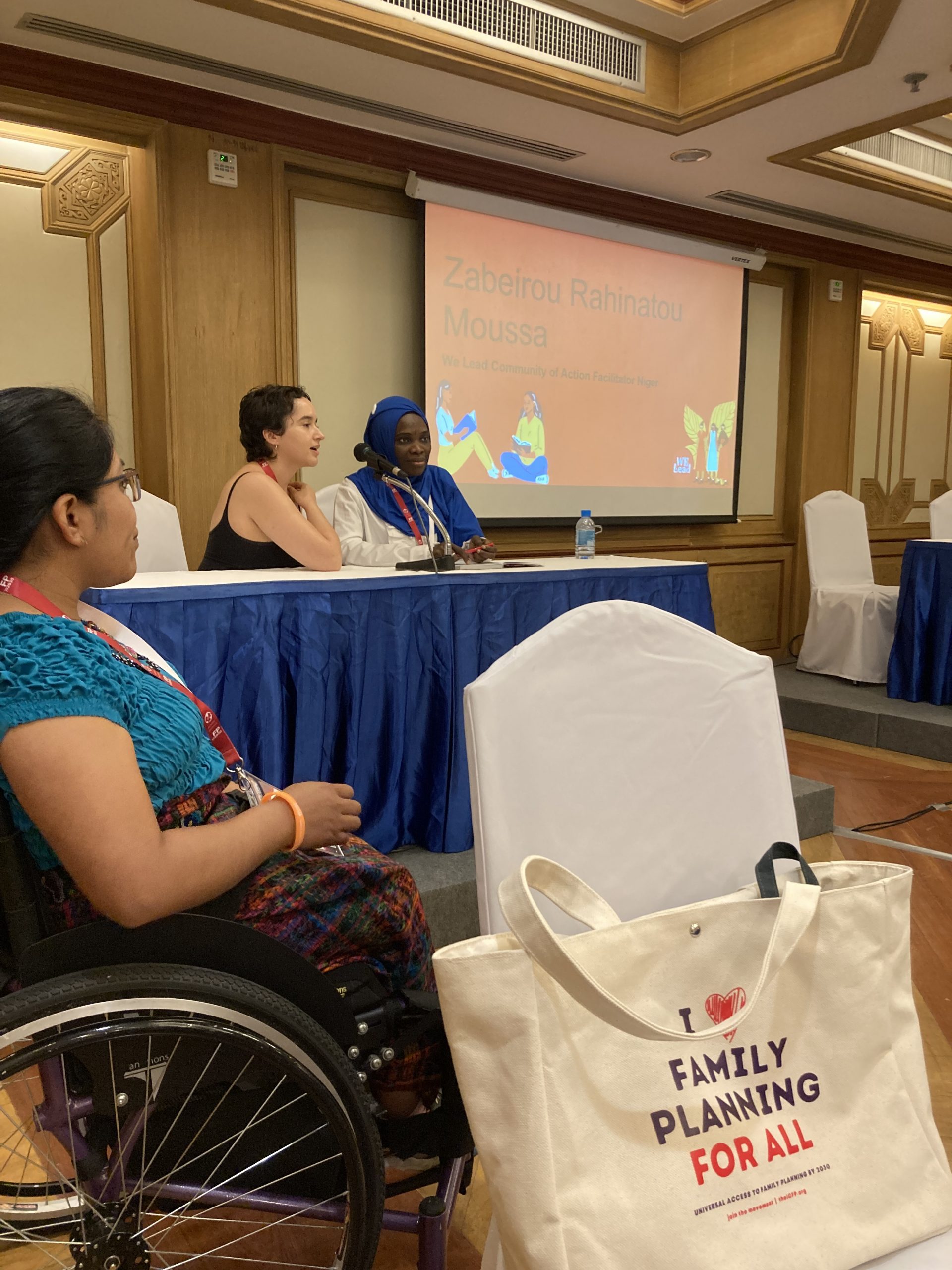
The discourse surrounding bodily autonomy often sings a bold anthem of liberation, choice, and sovereignty. Yet, glaringly absent from this chorus are the voices and experiences of disabled women—those whose bodies are policed in profoundly distinct and invasive ways. The dominant narratives around autonomy rarely acknowledge the unique intersection of ableism and misogyny that disables disabled women’s right to self-determination. This omission is not accidental but symptomatic of a broader societal failure to reckon with the complex realities of disability and gender. To dismantle oppressive frameworks, we must illuminate the full spectrum of bodily autonomy—one that unapologetically centers disabled women and challenges the gatekeepers of control.
Reclaiming Narratives: Disabled Women at the Forefront
Bodily autonomy is more than a buzzword; it is a radical act of reclaiming agency over one’s physical self. For disabled women, this reclamation is a defiant disruption of systemic erasure. Contrary to tropes of helplessness or hypersexualization, disabled women’s experiences reveal diverse and nuanced realities of embodiment. The stories of young women asserting control over their sexuality, or of those fighting against forced medical interventions, crack open the conventional narratives. These vignettes, captured vividly through evocative photography and candid testimonials, reveal an unyielding hunger for control over bodies often subjected to external governance through medical, familial, and social barriers. Such narratives insist on more than recognition—they demand an upheaval of normative autonomy dialogues to include those rendered invisible.

The Intersection of Ableism and Gendered Oppression
At the confluence of discrimination lies a terrain where disabled women’s autonomy is most relentlessly contested. Gendered ableism operates insidiously, stripping away choices from reproductive rights to sexual expression. From assumptions about incompetency to outright infantilization, the societal attitudes confine disabled women within rigid structures of control. This control manifests through invasive guardianships, coerced sterilizations, and moralized judgments about desire and capacity. Disabled women’s bodies are sites of constant negotiation—politicized spaces where autonomy is routinely challenged by intersecting oppressions. Understanding these dynamics requires more than platitudes; it demands a radical interrogation of how sexism and ableism conspire to circumscribe bodily sovereignty.

Sexuality and Desire: Mythbusting Disabled Womanhood
A sanitized and asexual narrative predominates the public imagination when envisioning disabled women. This biased lens occludes the complexity of their sexual identities and suppresses their right to intimate relationships and self-exploration. Eroticism and desire are political battlegrounds for disabled women, who must navigate societal disgust alongside personal discovery. Platforms that amplify first-person accounts of sexual autonomy disrupt deeply ingrained taboos and dismantle monstrous stereotypes. Embracing the full humanity of disabled women necessitates confronting discomfort head-on—acknowledging their sexual agency as unequivocal and deserving of respect. It is a call to reimagine sex positivity inclusively.
The Medical Industrial Complex and Bodily Sovereignty
The relationship disabled women hold with healthcare institutions is often fraught with coercion and control rather than support and respect. Medicalized narratives frequently strip away agency under the guise of treatment, inflicting trauma through invasive procedures, forced institutionalization, or dismissive practitioner attitudes. Bodily autonomy is jeopardized when consent is subverted or entirely ignored. Moreover, the opacity around medical decisions reinforces power imbalances, rendering disabled women passive objects rather than active participants. Challenging the medical industrial complex necessitates creating spaces where disabled women’s voices dictate terms, informed consent is sacrosanct, and care is grounded in respect rather than paternalism.

Community, Resistance, and the Future of Autonomy
Resistance to exclusion thrives in the solidarity forged between disabled women and their allies. Autonomy is a collective project—an interdependent endeavor rather than purely individual achievement. Grassroots movements and activist networks create vital spaces to share knowledge, uplift marginalized voices, and campaign for policy reforms that honor the sovereignty of disabled bodies. These efforts unify intersectional identities and confront the structural inequalities that fragment autonomy. Engaging with this evolving conversation demands attentiveness to the ways disabled women envision freedom—not through conformity to normative standards, but through authentic empowerment. The future of bodily autonomy hinges on embracing multiplicity and cultivating relentless advocacy against systemic dehumanization.
Conclusion: Toward an Inclusive Autonomy Paradigm
The body autonomy conversation must expand beyond narrow confines and embrace the radical plurality of disabled women’s lived experiences. This requires an unflinching willingness to interrogate entrenched biases and reconfigure power relations. Centering disabled women in these discussions shifts autonomy from abstract ideal to tangible, intersectional struggle. Only through deliberate inclusion can the body autonomy movement become truly emancipatory—transforming from a selective privilege into a universal right.








Leave a Comment