In the shadows of society’s most intimate spaces, where domestic workers tirelessly labor, a quiet revolution ignited—a strike so unexpected it reverberated far beyond the confines of household walls. The organizing force behind this upheaval was a woman armed not with power or privilege, but with unyielding courage and an unrelenting vision of justice. This is the story of how one woman catalyzed a movement for domestic workers whose voices had long been stifled, a strike that confronted apathy, shattered complacency, and demanded recognition on the global stage.
The Invisible Workforce: A Foundation of Exploitation
Domestic workers, predominantly women, occupy a paradoxical position within society. They perform essential labor—cleaning, cooking, caregiving—yet remain unseen, undervalued, and unprotected. Their work sustains families, supports economies, and fills the gaps left by inadequate social infrastructures. Despite this, they often endure meager wages, abusive conditions, and systemic neglect. This invisibility is not accidental; it is a deliberate societal contrivance that frames domestic labor as mere extension of women’s “natural” roles rather than legitimate employment requiring rights and respect.
To truly grasp the significance of the strike, one must confront this invisibility. The strike was not merely a withdrawal of labor; it was an act of unmasking the structural violence embedded within domestic work. It challenged the normalization of precarity and demanded recognition of domestic workers as economic agents and human beings deserving of dignity.
The Architect of Disruption: Leadership Emerging from the Margins
She was neither a celebrity nor a politician. Her arsenal comprised lived experience and an ironclad belief in collective power. This organizer wove together fragmented networks of domestic workers across cities and even countries, transcending language barriers and geographic divides. Her strategy defied the expectations of traditional activism—it was decentralized, organic, and relentlessly adaptive.
She understood the nuances that often bar domestic workers from unionizing—fear of retaliation, undocumented status, isolation within employers’ homes. So she cultivated safe spaces, both physical and virtual, fostering solidarity through shared narratives and mutual aid. Her leadership illuminated an oft-overlooked truth: radical change blossoms not from grand gestures alone but through the painstaking cultivation of trust and unity among the most marginalized.
Mobilizing a Movement: From Personal Struggle to Collective Power
The strike emerged as a response to prolonged systemic failures—delayed legislation, persistent wage theft, and the denial of basic labor rights. Suddenly, what many assumed impossible became tangible: domestic workers coordinated synchronized walkouts, hunger strikes, and public demonstrations. Their demands were clear and uncompromising—fair wages, legal protections, regulated working hours, and respect.
This movement’s potency derived from its intersectional consciousness. It fused issues related to gender, race, immigration status, and class. It galvanized allies beyond domestic workers themselves—feminist groups, labor unions, human rights organizations—creating a tapestry of resistance woven across multiple fronts.

But the strike transcended traditional labor dispute parameters. It was a political statement, a cultural reclamation, and a moral indictment rolled into one. It invoked historical legacies of women’s labor activism, recalling figures who revolutionized perceptions of work, value, and gender roles.
Disrupting the Narrative: Challenging Societal Norms and Legal Frameworks
Historically, domestic work has been excluded from many labor laws worldwide, a deliberate omission reflecting entrenched sexism and classism. This strike illuminated the absurdity and cruelty of such exclusions. It forced legislators to confront uncomfortable realities: how laws perpetuate inequalities by design and neglect the humanity of those who sustain daily life behind closed doors.
Moreover, the strike disrupted social imaginaries that consign domestic workers to a state of perpetual servitude. It spotlighted the urgent need for comprehensive reforms—mandatory contracts, social security inclusion, and enforceable labor standards. The organizer deftly wielded the strike as a leverage point to pivot public discourse from sympathy to accountability.
Visual Empowerment: Symbols and Imagery in the Strike
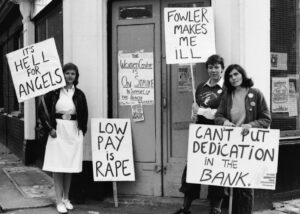
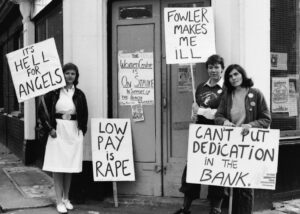
Images from the strike captured an evocative blend of vulnerability and resilience. Women standing firm, placards demanding justice illuminated by dawn’s light, and acts of hunger striking that underscored both desperation and determination. Visual documentation played a critical role in amplifying the strike’s message, bridging the gap between the streets and living rooms, between the muted and the heard.

These images refused to silence agony or diminish agency. Instead, they served as rallying cries around the world, inspiring solidarity and compelling media coverage that forced public scrutiny of labor inequities.
Global Resonance: The Strike as Part of a Wider Women’s Labor Movement
The domestic workers’ strike echoed in global corridors of feminist activism. It resonated with other movements demanding “wages for housework” and the recognition of unpaid labor’s economic and social importance. In many ways, this strike was a contemporary chapter in a centuries-long saga of women’s labor emancipation.
By connecting with broader campaigns, the organizer not only amplified her constituency’s plight but also reframed the conversation around work, care, and compensation. This foundational shift disrupts capitalist narratives that seek to profit from patriarchal undervaluing of women’s labor.
Legacy and Aftermath: The Unseen Ripples of an Unexpected Strike
While immediate legislative victories remain elusive in many regions, the strike planted seeds that will influence policy and perception for years to come. It forced employers, governments, and society at large to reckon with the indispensable role of domestic workers and the impossibility of sustaining economies on precarity and invisibility.
Beyond policy, the strike fostered empowerment—a collective consciousness among domestic workers about their own agency and rights. This intangible legacy may prove the most enduring gift: a blueprint for future mobilizations that no one saw coming but that demands acknowledgment and respect.
In organizing a strike that broke through layers of invisibility and indifference, this woman harnessed the radical power of solidarity and relentless hope. Her story is a clarion call that justice for domestic workers is not only overdue—it is inevitable.








Leave a Comment