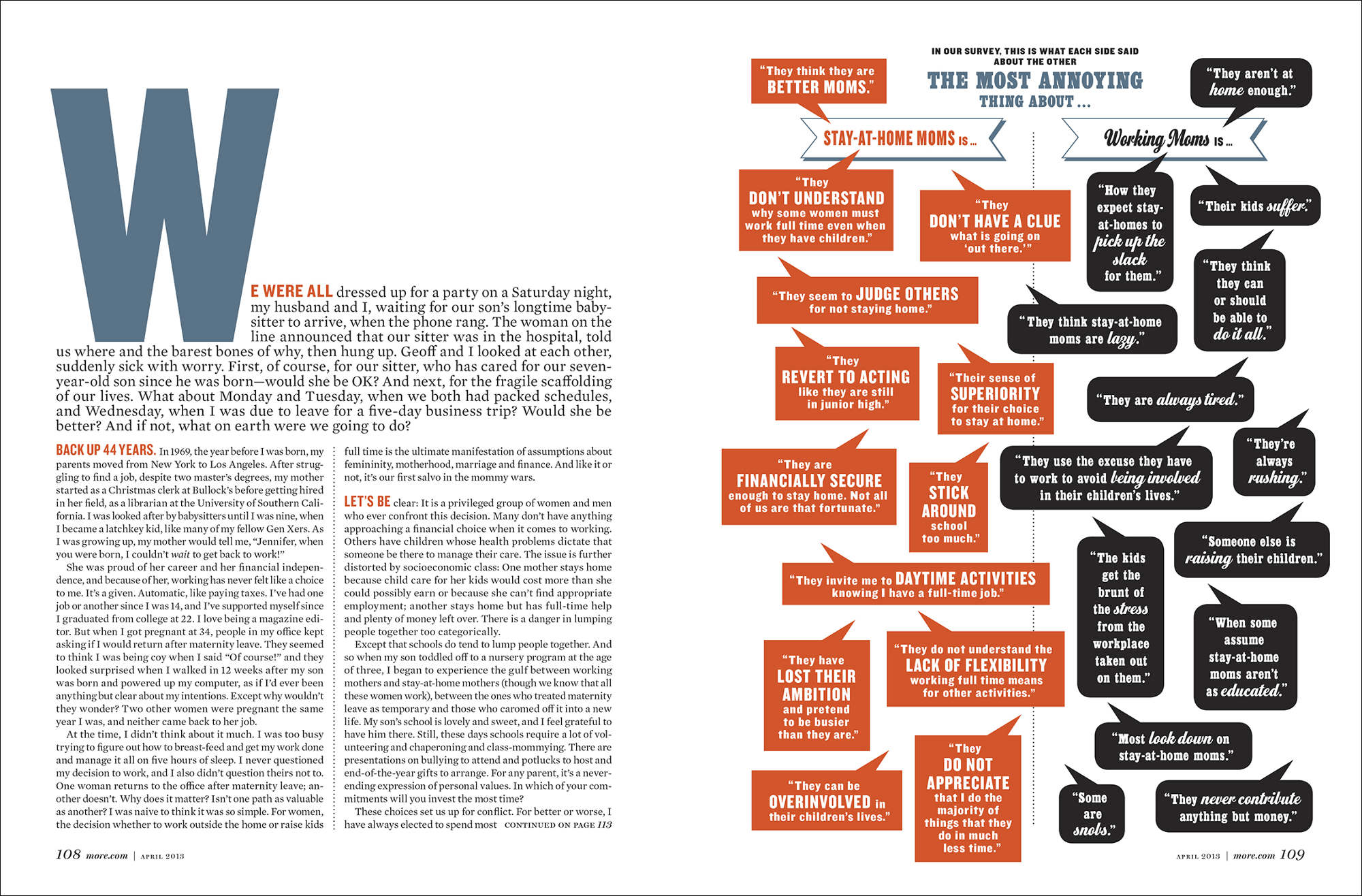
In the sprawling battlefield of motherhood, a seemingly innocuous war rages—a war not fought with bombs or guns but with whispered judgments, simmering resentment, and the sharp edges of societal expectation. The Mommy Wars, as they have come to be known, are not the organic clashes of genuine ideological difference. Rather, they are an artfully concocted stratagem, a masterstroke of divide and conquer designed to fracture the sorority of mothers into enclaves of suspicion and competition. From the breastfeeding advocate to the working mom, from the stay-at-home nurturer to the career-driven busyness, this conflict fractures one of the most potent forces of solidarity: women raising the next generation.
The Mommy Wars: A Fractured Sisterhood
At first glance, these battles appear rooted in personal choice, a clash over lifestyles. But peel back the veneer, and what emerges is a chessboard where mothers are pawns moving according to a larger game plan. The Mommy Wars shatter what should be an unbreakable alliance into fractious camps, each suspecting the other of neglect or moral failing. The metaphorical fissures that crack open between these groups are not natural; they are cultivated. Each critique, each snide remark about others’ choices is a carefully placed wedge, driving mothers apart rather than together.

This division obscures the shared struggles: the exhaustion, the unrelenting responsibility, the societal undervaluing of motherhood itself. When mothers turn on each other, they unwittingly play into the hands of a patriarchal culture eager to keep them distracted from the systemic injustices that affect them all.
The “Divide & Conquer” Strategy: History’s Most Effective Weapon
The strategy of divide and conquer is as ancient as civilization itself. Empires have risen and fallen on the ability to fracture potential opposition by pitting groups against each other—be it tribes, classes, or ideologies. The beauty of this tactic lies in its subtlety; it sows discord not through blatant oppression alone but by nurturing internal conflicts that exhaust and incapacitate.

In the case of the Mommy Wars, this strategy manifests in cultural narratives and media portrayals that spotlight conflict rather than cohesion. By presenting motherhood as a zero-sum game—where one choice invalidates another—the collective energy of women is misdirected. Instead of mobilizing for shared rights, better policies, and mutual support, mothers find themselves embroiled in battles over who is “doing it right.” This internal strife weakens the potential for coordinated resistance against deeper structural inequalities that affect all mothers regardless of their approach.
Media and Corporate Interests: Fueling the Fire
The Mommy Wars thrive because of their extraordinary utility to powerful entities—media conglomerates, advertisers, and even certain political factions. Conflict reliably sells. Media outlets chase clicks and engagement by pitting motherhood archetypes against each other: the “supermom” versus the “lazy mom,” the “natural” versus the “formula feeder,” the “working mother” versus the “stay-at-home hero.”

This spectacle of rivalry distracts from the fundamental conversations needed about childcare support, workplace equality, wage gaps, and mental health. Advertisers capitalize on this turmoil by pitching products promising to help “win” the battle for perfect motherhood, reinforcing the competition rather than nurturing solidarity. The Mommy Wars are less an organic feud and more a staged drama, designed to keep mothers fragmented and buying into impossible standards.
The Psychological Toll of a Manufactured Conflict
Being conscripted into the Mommy Wars exacts a heavy psychological price. Mothers, often already burdened with guilt and exhaustion, become locked in an unrelenting comparison cycle. This internal conflict fractures self-esteem and fosters isolation. Rather than being empowered by community, many feel alienated and scrutinized, as if their love and effort were never enough unless they conform to a narrowly defined ideal.
Moreover, these cultural battles exacerbate mental health challenges. Anxiety over maternal adequacy becomes amplified, while the fuel of judgment consumes time and mental bandwidth that could be spent nurturing real connection and self-care. In essence, the Mommy Wars function as a cultural cage, limiting freedom and perpetuating emotional incarceration.
Unifying the Front: Reclaiming Motherhood from Division
Recognizing the Mommy Wars as a tactic of divide and conquer is the first step toward dismantling it. Mothers must reclaim their narratives, shedding the shackles of judgment to embrace complexity and diversity in motherhood. The true power lies in solidarity—recognizing that the challenges faced are not rooted in individual decisions but in a society that systematically devalues caregiving and demands impossible perfection.
Communities of support, equitable policies, and honest conversations are the antidotes. Celebrating difference rather than weaponizing it fosters resilience. Mothers are not adversaries but comrades in a broader struggle for respect, resources, and rights. When the walls between “types” of motherhood crumble, what emerges is a potent force capable of challenging systemic inequity.
The Future Beyond the Wars
The Mommy Wars are not an inevitability etched in the human experience; they are a contrived illusion sustained by cultural inertia and vested interests. The future need not be riddled with judgement and division but can instead be a landscape where choice is honored, support is universal, and motherhood is unshackled from unrealistic standards.
It is time to reclaim motherhood from the battlefield and restore it as a space of empowerment. When mothers stand united, the forces that seek to keep them fractured and controlled lose their grip. Only then can the true revolution begin—one where love, not war, defines the narrative of motherhood.






Leave a Comment