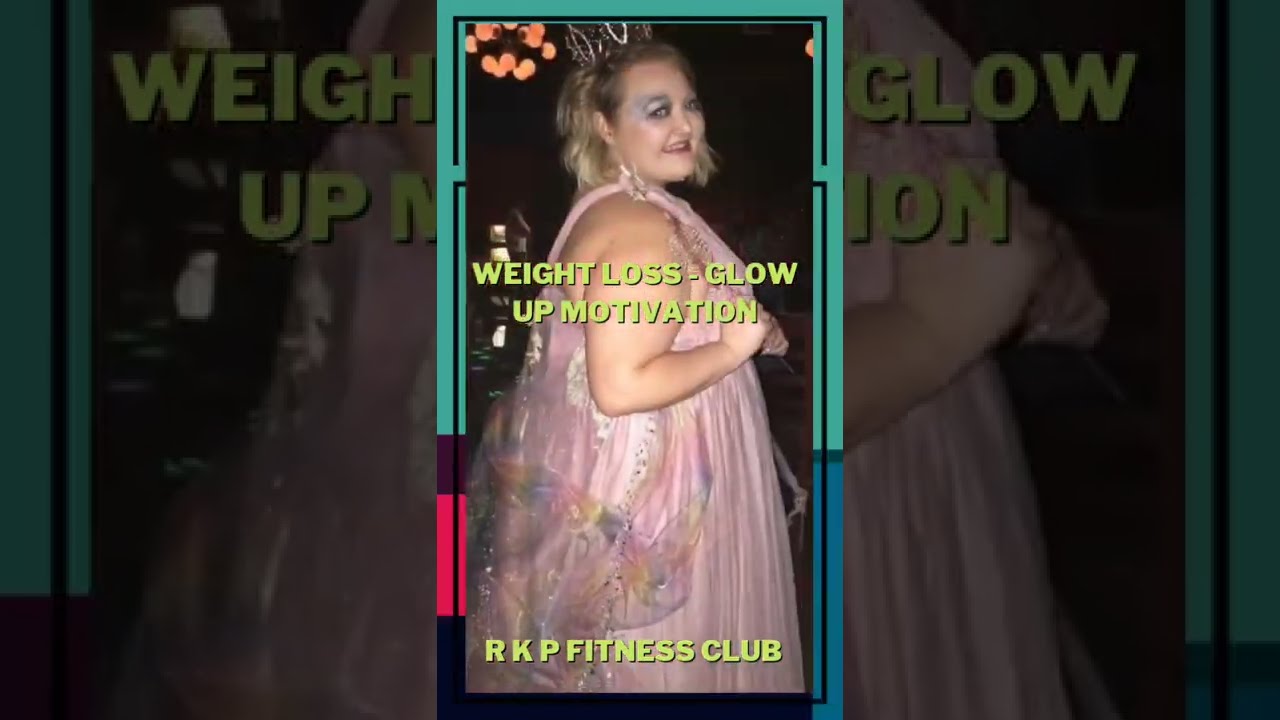
Have you ever caught yourself basking in the glow of a compliment, only to find that “You’re glowing” might actually be a covert celebration of something else—something slimmer, tighter, smaller? What if the radiant “glow” is less about your spirit and more about the pounds you allegedly shed? Let’s unravel the seductive yet subtle linguistic dance that cloaks weight loss in flattering metaphors and what it means for how society perceives womanhood, beauty, and worth.
The “Glow Up” Myth: Radiance as a Veiled Reference to Weight Loss
“You’re glowing”—a phrase often tossed around with a conspiratorial wink, as if it were a secret no one dares speak outright. But peel back the layers, and you’ll find it frequently serves as a euphemistic nod to the scale’s verdict. The “glow up” isn’t merely a rebirth of confidence or an enlivened spirit; it is frequently shorthand for someone losing weight, silently applauded by observers. Why else is this expression almost ubiquitously linked to visible transformation, predominantly thinner silhouettes?
This linguistic disguise doesn’t just convey admiration; it enforces an archetype where physical slenderness is the apex of transformation. The glow becomes transactional—a currency tied tightly to body size rather than heartfelt well-being or dynamism. We’re trained, in subtle but unrelenting ways, to equate our value with the ability to contract our physical self.

The Cultural Complicity in Conflating Glow with Weight Loss
This isn’t an innocuous turn of phrase, but a symptom of a culture enthralled by weight as a moral commentary. Society tends to celebrate weight loss as a triumph of discipline, implicitly suggesting that “glowing” is attainable only through transformation of the body’s shape or size. The “glow” narrative diverts recognition from mental health, emotional resilience, or personal milestones that have nothing to do with pounds shed.
Look closely: television, movies, social media reels—a relentless stream of images equate glow-ups with slimming down. Women, especially, inherit this taut demand that ‘transformation’ must quantify itself in pounds or inches lost, as if mere existence or bodily integrity were insufficient for praise. It is a classical bait-and-switch: affability disguised as praise, when it is a nod to conformity within oppressive beauty standards.
What’s Lost When “You’re Glowing” Becomes Code for “You Lost Weight”?
Reducing the idiom “You’re glowing” to a euphemism for weight loss flattens the complex spectrum of human vitality into a singular, physically quantifiable outcome. It ignores the multifaceted, nuanced expressions of joy, creativity, wisdom, or resistance that also illuminate a person. The rich tapestry of internal growth is overshadowed by shallow external assessment.
This reductive praise reinforces harmful narratives. It pressures individuals, particularly women, to see their bodies only as malleable objects for public consumption, rather than as vessels of experience. When glow is always code for smaller bones beneath skin, it marginalizes those who don’t conform to these pressures—whether due to genetics, health conditions, or personal choice—and fosters invisibility and alienation.

The Intersection of Language, Power, and Gender Politics
Language is power. It shapes perceptions and can either expand or constrict identity. The phrase “You’re glowing” performs a subtle policing of bodies within a socio-political framework steeped in patriarchal norms. It privileges a very narrow vision of acceptable femininity framed by slenderness. By cloaking weight loss as “glowing,” the phrase sanitizes a fraught cultural obsession, sidestepping the complexity of body diversity and autonomy.
Moreover, it perpetuates a paradigmatic gatekeeper mentality: only certain bodies are worthy of admiration when they fit the prescribed mold. This covert gatekeeping transmutes empathy into judgment and admiration into coercion. The simple, seemingly innocuous compliment becomes a loaded critique, casting a shadow of conformity rather than celebration of individuality.
Reclaiming “Glow” as a Radical Embodiment Beyond the Scale
What if we reframed the glow as a metaphor for internal luminescence—fueled by self-love, creative courage, or acts of rebellion—rather than corporeal transformation? What if glowing glorified persistence, mental rejuvenation, or unshackling oneself from toxic beauty ideals? This is a radical act of linguistic intervention: to resist and subvert the transactional narrowing of worth to physical change.
Imagining glow this way decouples it from the tyranny of the bathroom scale. It celebrates resilience, spirit, joy, resilience against oppressive judgments, or simply the radiant authenticity that comes with embodying oneself fully. This alternative lineage of “glowing” demands a cultural reckoning but promises a richer, more inclusive narrative of womanhood and strength.

Conclusion: The Challenge to Rethink Compliments and Celebrate Full Selves
By reclaiming glow as a radical affirming metaphor, the conversation shifts from the superficial to the substantive. It valorizes the wholeness of self—from scars to smiles, from dreams to defiance. Resist the trap of shrinking your worth to fit into a coded phrase. You are more than weight loss wrapped in a glowing euphemism; you are incandescent by your complexities and contradictions. And that is the truest glow of all.






Leave a Comment