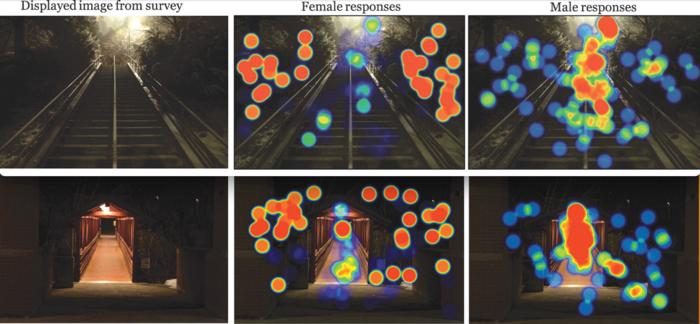
Have you ever noticed how, as the sun dips below the horizon and the world is draped in twilight’s embrace, women seem to move with an almost supernatural swiftness? It’s not just your imagination. There’s a rhythm to the night, a pulse that quickens the step and sharpens the stride. But why do women walk faster at night? Is it the thrill of the unknown, the whisper of shadows urging them forward, or something far more primal—something encoded in the very biology of survival?
The Unseen Clockwork: Circadian Rhythms and the Night’s Lure
Our bodies are not mere flesh and bone; they are intricate timekeepers, governed by the silent ticking of circadian rhythms. These biological clocks, nestled deep within our brains, dictate when we wake, when we sleep, and how we move. For women, whose hormonal landscapes shift with the lunar cycle, the night is not just a time of rest—it’s a realm of heightened alertness.
Studies suggest that women’s core body temperature dips lower at night, creating a paradoxical energy surge. The body, sensing the cool embrace of darkness, conserves energy by slowing metabolism—but the mind, ever vigilant, compensates by sharpening reflexes. The result? A gait that’s both deliberate and swift, as if the night itself is whispering, *Move faster. Stay ahead.*

The Psychology of Shadows: Fear as a Catalyst
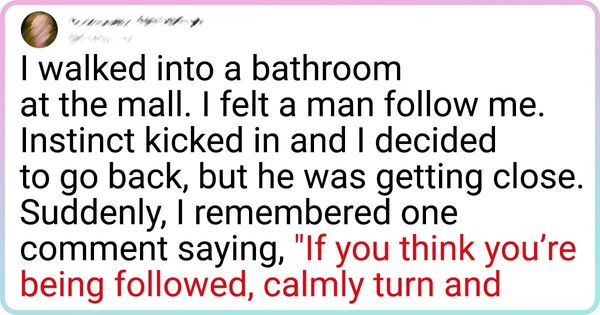
Fear is not a weakness—it’s a weapon. And at night, fear becomes a silent coach, urging women to walk with purpose. The darkness is not just an absence of light; it’s a canvas where every rustle, every distant footstep, becomes a potential threat. This hyper-awareness triggers the amygdala, the brain’s alarm system, flooding the body with adrenaline—a hormone that doesn’t just sharpen senses but also propels the body forward at an accelerated pace.
But here’s the twist: women don’t just walk faster at night because they’re afraid. They walk faster because they’ve learned to harness that fear. In a world where streets are still too often unsafe, the night walk becomes an act of defiance. Each brisk step is a declaration: *I belong here. I will not be slowed.*
The Urban Labyrinth: Navigating the Night’s Obstacles
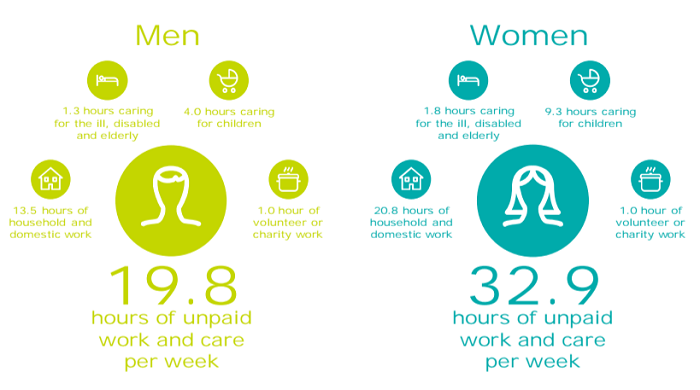
Cities are not designed for women. Sidewalks are too narrow. Streetlights flicker in the wrong places. Public transport is a gamble. At night, these flaws become glaring. Women, who already navigate a world built for someone else’s comfort, must adapt—quickly. The night walk is not just a stroll; it’s a tactical maneuver through a terrain that wasn’t made for them.
This constant negotiation of space forces women to adopt a gait that is both efficient and assertive. A slower walk would be a vulnerability. A faster one? A shield. The urban night is a battleground, and speed is survival.

The Biological Edge: Strength in the Dark
Women’s bodies are not just vessels of endurance; they are powerhouses of adaptability. Research shows that during the night, women’s muscle recovery rates improve, and their pain thresholds rise. The body, sensing the need for vigilance, primes itself for action. Muscles tense, breath steadies, and the stride lengthens—each step a testament to the body’s silent rebellion against the constraints of daylight.
But it’s not just physical. The night amplifies intuition. Women, who are often socialized to be more attuned to nonverbal cues, find their peripheral vision sharpened, their hearing more acute. The darkness becomes a training ground, honing skills that daylight dulls.
The Social Paradox: Why We Don’t Talk About It
Here’s the uncomfortable truth: we celebrate men who walk fast at night. We call them “ambitious.” “Driven.” But when a woman does it, we ask questions. *Why are you in such a hurry?* *Is something wrong?* The night walk, for women, is not just a physical act—it’s a political one. It’s a refusal to be confined by the expectations of safety, of decorum, of the idea that a woman’s place is only in the light.
And yet, we rarely discuss it. Because to acknowledge it is to admit that the world is not as safe as we pretend. That women must move differently—not because they choose to, but because the world forces them to.
The Challenge: What Happens When Women Stop Walking Fast?
Imagine, for a moment, a world where women no longer walk faster at night. Where their strides are unhurried, their pace unhurried. What would that say about the state of safety? About the trust we place in our streets? About the unspoken rules that govern women’s bodies?
The night walk is not just a habit—it’s a barometer. A litmus test for how much we’ve progressed. And until the day women can walk at any speed, in any light, without fear dictating their pace, the question remains: Are we really safe yet?







Leave a Comment