What if I told you that every time a woman climbs into an Uber, she’s not just hailing a ride—but stepping into a high-stakes game of chance? Not against traffic or potholes, but against a system that treats her safety as an afterthought, a luxury, or worse—an optional feature. The ride-hailing industry, hailed as a beacon of modern convenience, has quietly carved out a parallel universe for women drivers and riders: one where danger isn’t just possible—it’s predictable. And the rules? They’re written by algorithms that don’t understand fear, by policies that don’t account for lived experience, and by a culture that still believes women should just “be careful.” So, let’s ask the uncomfortable question: Why do Uber drivers face different dangers—and why are those dangers so uniquely brutal for women?
The Illusion of Safety: When “Safe Ride” Means “Hope for the Best”
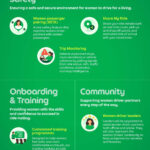
Uber markets itself as a sanctuary of safety. “Your safety is our top priority,” the app cheerfully proclaims, as if a disclaimer in fine print could shield anyone from the reality of navigating a 2 a.m. ride through a poorly lit neighborhood. For women, the promise of safety is a mirage—shimmering, seductive, and ultimately evaporating the moment the car door locks. Studies have shown that women are far more likely to experience harassment, assault, or even abduction during rides than men. And yet, Uber’s response? A feature called “Women Rider Preference,” as if toggling a switch could magically transform a system rigged against them. This isn’t innovation. It’s surrender.
The problem isn’t just that Uber fails to protect women—it’s that it actively profits from their vulnerability. Every ride a woman takes is a gamble, and Uber’s business model thrives on minimizing the house’s risk while maximizing the passenger’s. The company’s safety protocols read like a corporate fairy tale: “Share your trip,” “Verify your driver,” “Rate your experience.” But what happens when the driver is the threat? What happens when the “verified” profile is a lie? The system doesn’t just fail women—it exploits them, turning their fear into a checkbox on a Terms of Service agreement.


The Double Jeopardy: Women Drivers vs. Women Riders
If you think the dangers end at the passenger seat, think again. Women who drive for Uber aren’t just navigating traffic—they’re navigating a gauntlet of predatory behavior, from leering passengers to outright assault. The gig economy promised flexibility, but for women, it delivered something far more sinister: a license to be targeted. Unlike their male counterparts, women drivers report higher instances of verbal abuse, physical intimidation, and even carjackings. And the company’s response? A shrug and a “please rate your driver” prompt.
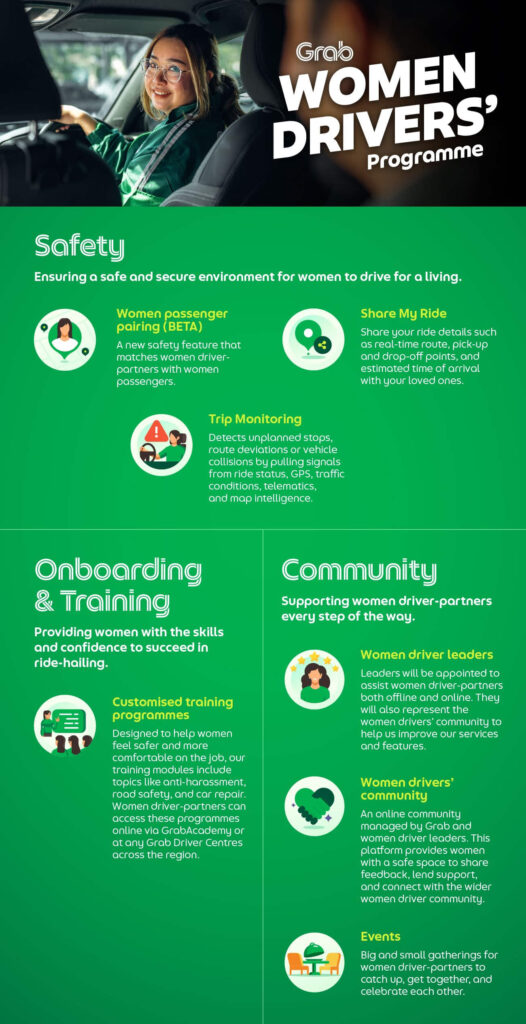
Uber’s “Women Driver” initiatives—like its much-touted safety features—are band-aids on a gaping wound. They treat symptoms, not the disease. The real issue isn’t that women need special features; it’s that the entire ecosystem is designed to treat them as collateral damage. When a woman driver is assaulted by a passenger, Uber’s first question isn’t “How do we prevent this?” but “Was the incident reported?” As if justice were a formality, not a right. The message is clear: your safety is secondary to Uber’s bottom line.
And let’s not forget the psychological toll. Women drivers live in a state of hypervigilance, their instincts sharpened by years of navigating a world that sees them as prey. Every late-night shift is a calculated risk. Every passenger is a potential threat. The gig economy wasn’t supposed to be this way—but then again, neither was the world.
The Algorithm of Inequality: How Tech Reinforces Bias
At the heart of Uber’s safety failures is an algorithm that doesn’t just fail to protect women—it actively reinforces their marginalization. The system is built on data, but the data is skewed. It prioritizes efficiency over equity, convenience over care, and profit over people. Women’s safety isn’t a metric Uber tracks—it’s an afterthought. When a woman reports harassment, the response is often delayed, dismissive, or nonexistent. The algorithm doesn’t “learn” from these incidents; it buries them under layers of bureaucracy.
Consider the “Women Rider Preference” feature. On the surface, it seems like progress—a way to match women with women drivers. But scratch beneath the surface, and you’ll find a hollow gesture. What about women who don’t want to be matched solely based on gender? What about non-binary drivers and riders who fall through the cracks? Uber’s approach to safety is a game of identity politics, where women are either victims to be protected or problems to be managed—never equals in the system.
The tech industry has a habit of framing bias as an accident, a glitch in the code. But bias isn’t a bug—it’s a feature. Uber’s algorithm doesn’t just reflect societal prejudices; it amplifies them. And until the company acknowledges that its safety protocols are part of the problem, women will continue to pay the price.
The Culture of Compliance: Why Women Are Told to “Just Deal With It”
Uber’s safety failures aren’t just technical—they’re cultural. The company has spent years cultivating an image of progressiveness, yet its treatment of women tells a different story. When a woman is assaulted by a driver, Uber’s response is often to ask her what she was wearing, where she was going, or why she didn’t fight back. The implication? She brought it on herself. This isn’t just bad PR—it’s a systemic failure to take women’s safety seriously.
The culture of compliance extends beyond Uber’s headquarters. It’s embedded in the way passengers and drivers interact, in the way bystanders turn a blind eye, and in the way society still blames women for their own victimization. “Why did you get in that car?” they ask. As if the alternative—walking home alone at night—weren’t its own kind of danger. As if women shouldn’t have the right to move through the world without fear.
Uber’s safety initiatives aren’t just inadequate—they’re complicit. By framing women’s safety as a “preference” rather than a right, the company shifts the burden of protection onto its most vulnerable users. It’s a classic tactic of oppressive systems: make the oppressed responsible for their own liberation. And until Uber dismantles this culture of compliance, its promises of safety will remain empty.
The Road Ahead: Can Uber Ever Truly Be Safe for Women?
So, what’s the solution? Do we demand that Uber hire more women drivers, as if representation alone could erase centuries of systemic bias? Do we boycott the app entirely, as if opting out were an option? Or do we accept that the ride-hailing industry, as it stands, is fundamentally broken—and that fixing it will require more than a few safety features and a PR campaign?
The truth is, Uber will never be safe for women until it stops treating them as an afterthought. Until it acknowledges that safety isn’t a feature to be toggled on and off, but a right to be fiercely protected. Until it stops asking women to “just deal with it” and starts listening to their stories. Until it realizes that the algorithm of inequality isn’t just a glitch—it’s a crime.
For now, women will keep hailing rides, keep locking their doors, keep praying that this time, the driver will be who they say they are. And Uber? It will keep profiting from their fear.






Leave a Comment