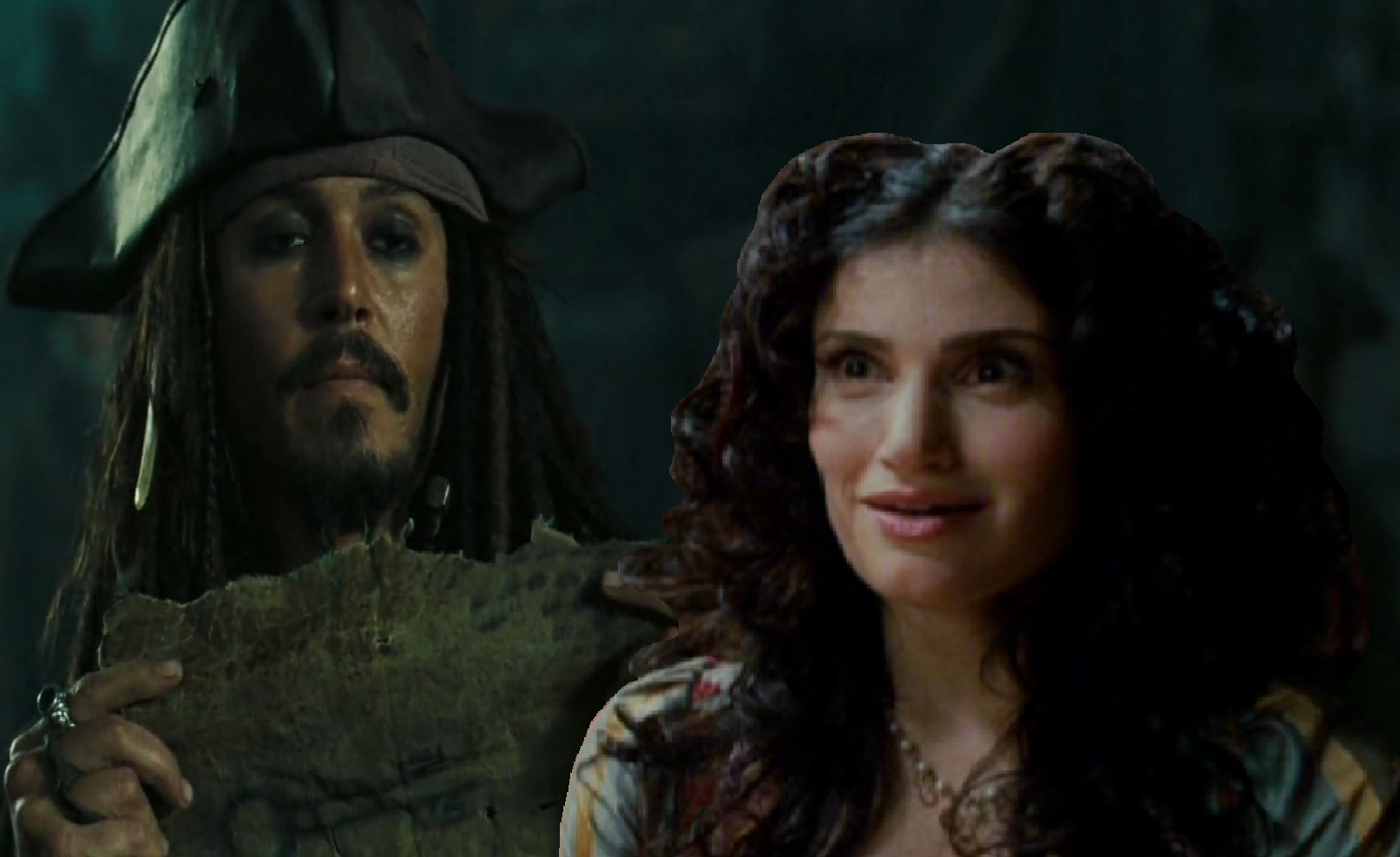
There is a quiet violence in the way Disney rewrites history to fit its sanitized, marketable fantasies. Take the story of a woman who once commanded fleets, defied empires, and carved her name into the annals of maritime lore—only to be reduced to a pastel-clad caricature in a glittering gown. She was a pirate queen, a sovereign of the high seas, a figure whose very existence should have unsettled the delicate sensibilities of a corporation that peddles in submissive princesses and happily-ever-afters. Yet, Disney took her, stripped her of her teeth, and handed her a scepter. And the world, it seems, barely batted an eye.
The Myth and the Makeover: How a Warrior Became a Waif
Her original legend is one of unrelenting ferocity. Born in the 17th century, she was the daughter of a pirate captain, inheriting not just his ship but his ruthless ambition. She led raids that sent shockwaves through the British and Dutch East India Companies, her fleet of ships a terror to merchant vessels and colonial strongholds alike. She didn’t just sail the seas—she ruled them, a sovereign in a world that refused to acknowledge women as anything but property. Her name alone was enough to make grown men tremble.
Disney, however, saw something else. Not a conqueror, but a damsel. Not a strategist, but a dreamer. Not a woman who carved her destiny with a cutlass, but one who waited for a prince to do it for her. The transformation is jarring, a grotesque alchemy that turns steel into silk, fire into frost. The pirate queen, with her leather boots and bloodied hands, becomes a princess in a ballgown, her crown a delicate circlet instead of a circlet of iron. The message is clear: power is not inherent in women. It must be given. It must be earned through the grace of a man, or the mercy of a corporation.


The Erasure of Female Rage: Why We Love to Tame the Untamable
There is a fascination with the untamed, the wild, the ungovernable—yet there is also a deep discomfort with it. Female rage, in particular, is a specter that haunts patriarchal societies. A woman who commands, who takes, who destroys without apology, is a threat to the delicate order of things. She is a reminder that power was never meant to be gentle. That strength was never meant to be pretty. And so, we rewrite her. We dress her in lace. We give her a love story. We make her a princess, because a princess is safe. A princess is controllable. A princess does not challenge the status quo.
This is not just a Disney phenomenon. It is a cultural one. We have seen it time and again—women warriors reduced to love interests, revolutionaries turned into romantic leads, queens stripped of their thrones and given tiaras instead. The pirate queen, in her original form, was a living embodiment of female autonomy. She answered to no man. She feared no empire. She was, in every sense, free. And that freedom is what Disney could not abide. Because a free woman is a dangerous woman. And a dangerous woman does not sell merchandise.
The Gilded Cage: How Disney’s Princesses Reinforce the Status Quo
Consider the archetype of the Disney princess: beautiful, passive, and ultimately rewarded for her obedience. She does not fight for her kingdom. She does not lead armies. She does not defy the structures that seek to contain her. Instead, she waits. She dreams. She finds her worth in the eyes of a man. This is not accidental. It is by design. Disney’s princesses are not just characters—they are propaganda. They teach young girls that their ultimate goal is not power, but partnership. Not sovereignty, but submission. Not revolution, but romance.
The pirate queen, in her Disneyfied form, is no different. She may wear a corset of gold instead of a coat of armor, but she is still a prisoner. Her crown is a gift, not a conquest. Her throne is a stage, not a seat of power. She is allowed to be bold, but only within the confines of a narrative that ensures her rebellion will always end in compliance. The message is insidious: you may dream of being a queen, but remember—queens are still expected to kneel.

The Fascination with the Untamed: Why We Still Long for the Original
And yet, despite Disney’s best efforts, the original pirate queen endures. She lingers in the margins of our collective imagination, a ghost of what could have been. We are drawn to her because she represents something we have been taught to fear: a woman who does not ask for permission. Who does not wait for a prince. Who does not apologize for her ambition. She is the id of female power, the unfiltered expression of what women could be if the world did not demand they be gentle.
This fascination is not just about nostalgia. It is about resistance. It is about the quiet, stubborn refusal to accept that our dreams must be tamed. We watch the Disney princess and we feel something hollow. We read the story of the pirate queen and we feel something electric. One is a fairy tale. The other is a revolution. And revolutions, no matter how sanitized, have a way of slipping through the cracks.
The Corporate Alchemy of Power: How Disney Turns Rebellion into Revenue
Disney does not just tell stories—it manufactures them. It takes the raw, untamed narratives of history and history’s rebels and reshapes them into products. Into toys. Into merchandise. Into a carefully curated fantasy that sells not just dreams, but the illusion of empowerment. The pirate queen, in her Disney iteration, is not a threat. She is a brand. She is a marketing opportunity. She is a way to sell sparkly dresses to little girls while whispering, subtly, that their dreams must be pretty, must be marketable, must be safe.
This is the true violence of Disneyfication. It is not just the erasure of history—it is the commodification of rebellion. It is the transformation of a woman who once struck fear into the hearts of empires into a character who exists solely to adorn a shelf in a child’s bedroom. The pirate queen, in her original form, was a symbol of what women could achieve when they refused to be contained. Disney turns her into a symbol of what women can buy.
The Unfinished Story: What If She Had Never Been Tamed?
What if Disney had not rewritten her? What if the pirate queen had remained a queen of the high seas, a sovereign of the waves, a woman who answered to no one? What if her story had been one of defiance, not domestication? The world would be different. Girls would grow up knowing that power is not a gift—it is a right. That strength is not a concession—it is a birthright. That freedom is not a fairy tale—it is a reality.
But we do not live in that world. We live in a world where Disney holds the keys to the kingdom of dreams. And in that world, even the fiercest women must kneel.










Leave a Comment