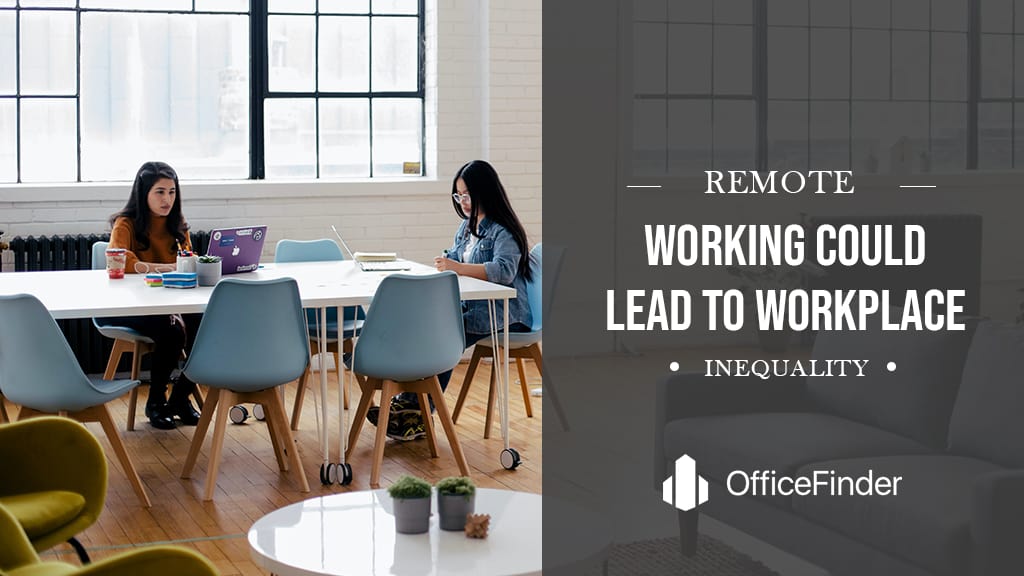
The promise of remote work was supposed to be a great equalizer—a digital revolution that would shatter the glass ceilings of office cubicles and scatter them into the ether. Instead, it became a Trojan horse, slipping inequality into our homes under the guise of progress. The dream of flexibility and autonomy has curdled into a new kind of confinement, where the boundaries between labor and life blur into a suffocating haze. Remote work didn’t dismantle systemic barriers; it just repackaged them into something more insidious, more personal. It didn’t free us from the shackles of capitalism—it invited capitalism into our living rooms, where it now lounges on our couches, sipping our coffee, and dictating our worth in 280-character bursts.
The Illusion of Liberation: How Flexibility Became a Cage
At first glance, remote work seemed like a feminist victory—a way to reclaim autonomy over one’s time, to juggle childcare and careers without the tyranny of commutes or the unspoken rules of the office. But what we mistook for liberation was merely a sleight of hand. The same old hierarchies slithered into our homes, disguised as convenience. The “freedom” to work in pajamas was just a Band-Aid over the wound of a system that still demands productivity at any cost. Women, who already shoulder the bulk of unpaid labor, found themselves trapped in a double shift—one where the office never closes, and the kitchen never stops calling.
The metaphor of the “digital nomad” is a cruel joke. It conjures images of sun-drenched laptops on Bali beaches, but the reality is closer to a Kafkaesque nightmare where your Wi-Fi cuts out mid-meeting and your boss’s Slack message is the only sunlight you see. The illusion of control is a mirage; the remote worker is still a cog in the machine, just one that’s expected to oil itself.
The Home as a New Frontier of Exploitation
The home was supposed to be a sanctuary, but remote work turned it into a factory floor. The boundaries between work and life dissolved into a murky broth of guilt and obligation. The “home office” is a misnomer—it’s not an office at all, but a psychological battleground where the rules of engagement are dictated by algorithms and the ever-present specter of being “always on.” The unpaid labor of setting up a workspace, troubleshooting tech, and pretending you’re not distracted by the laundry pile is just another tax on women’s time.
Consider the language we use: “bringing work home.” It’s a phrase that trivializes the erosion of personal space. The home, once a refuge from the grind, is now just another node in the network of exploitation. The irony is delicious and bitter—capitalism, which once demanded we leave our homes to sell our labor, now demands we invite it in, where it can leech off our electricity, our bandwidth, and our sanity.
And let’s not forget the spatial inequalities. Not everyone has a spare room to turn into a “professional” workspace. For those crammed into studio apartments or sharing spaces with families, remote work isn’t liberation—it’s a magnifying glass on inequality. The “flexibility” of remote work is a privilege reserved for those who can afford the luxury of a quiet corner.
The Tyranny of Visibility: Why Being Seen Isn’t Always Power
In the office, visibility was a double-edged sword—you could be overlooked or scrutinized, but at least you had a stage. Remote work promised to level the playing field, but it only replaced one kind of visibility with another. Now, your value is measured in Slack reactions, Zoom attendance, and the speed of your email replies. The quiet worker, the introvert, the neurodivergent—all are erased in a system that rewards performative engagement over actual contribution.
The cult of visibility is a trap. It turns labor into a spectator sport, where the loudest voices drown out the most thoughtful ones. Women, who are socialized to be accommodating, often find themselves overcompensating in this new landscape—constantly “proving” their presence through performative productivity. The result? Burnout dressed up as dedication, exhaustion masquerading as enthusiasm.
And what of those who thrive in silence? The thinkers, the writers, the creators who need solitude to produce their best work? Remote work didn’t liberate them—it isolated them, turning their creative solitude into a liability. The system doesn’t reward depth; it rewards the illusion of busyness.

The tyranny of visibility is also a gendered one. Women are expected to be “present” in ways that men aren’t—available for last-minute meetings, responsive to emails at all hours, perpetually “on.” The remote worker’s worth is no longer tied to her physical presence in an office, but to her digital footprint. And in a world where women are already penalized for asserting themselves, this new metric of visibility is just another way to keep them in their place.
The Myth of Work-Life Balance: Or, How to Turn Your Home into a Sweatshop
Work-life balance was supposed to be the holy grail of remote work. Instead, it became a cruel joke. The boundaries between labor and life didn’t just blur—they evaporated. The home, once a sanctuary, is now a 24/7 call center where the walls echo with the demands of capitalism. The “balance” we were promised is a myth, a carrot dangled just out of reach, forever receding into the distance.
The language of “balance” is insidious. It implies that work and life are two sides of a seesaw, when in reality, they’re more like a hydra—cut off one head, and two more grow back. The remote worker doesn’t get balance; she gets a never-ending cycle of guilt, where every moment of leisure feels like theft from the company, and every moment of work feels like a betrayal of herself.
And let’s talk about the emotional labor of it all. The mental gymnastics required to switch between roles—caregiver, worker, partner, friend—without collapsing under the weight of it all. The remote worker doesn’t just do her job; she performs emotional acrobatics, constantly negotiating the boundaries of her time and energy. The result? A generation of women who are exhausted, resentful, and trapped in a cycle of self-exploitation.
The myth of work-life balance is a lie, and remote work is its most enthusiastic propagandist. It doesn’t free us from the grind—it just makes the grind invisible, turning our homes into sweatshops where the machines never stop humming.
The Digital Divide: Or, Who Gets to Be a “Digital Nomad”?
Remote work was supposed to democratize opportunity, but it only deepened the chasm between those who can afford to work from anywhere and those who can’t. The “digital nomad” is a fantasy reserved for the privileged few—those with stable internet, quiet spaces, and the financial cushion to weather the storms of freelance life. For everyone else, remote work is just another way to be left behind.
The digital divide isn’t just about access to technology; it’s about access to power. Those who can work remotely are the ones who already have power—they’re the ones with degrees, with networks, with the cultural capital to navigate the treacherous waters of gig economy labor. The rest are left to scramble for scraps, their opportunities limited by the same old barriers that have always held them back.
And let’s not forget the environmental cost. The fantasy of the “digital nomad” is built on the backs of a global supply chain that churns out laptops and smartphones like sausages. The carbon footprint of remote work isn’t zero—it’s just outsourced, hidden in the fine print of our carbon calculators. The remote worker who jets from Bali to Lisbon isn’t saving the planet; she’s just exporting her exploitation to a new location.
The digital divide is a reminder that remote work isn’t a solution to inequality—it’s a symptom of it. It’s a way for capitalism to offload its costs onto the individual, to turn us all into micro-entrepreneurs of our own lives, responsible for our own success or failure. The dream of flexibility is just another shackle, another way to keep us working.
The Future: Or, How to Burn the Whole System Down
Remote work didn’t fix inequality—it just moved it home. It didn’t liberate us; it trapped us in a new kind of cage. The question now is: what do we do about it? The answer isn’t to reject remote work outright—it’s to reclaim it. To turn it into something that actually serves us, rather than the other way around.
We need to demand boundaries. To refuse the cult of visibility. To stop treating our homes as extensions of the office and start treating them as sanctuaries. We need to fight for policies that protect remote workers—mandated breaks, limits on after-hours communication, the right to disconnect. We need to stop glorifying the “hustle” and start demanding the right to rest.
And we need to recognize that remote work isn’t the future—it’s a symptom of a system that’s broken. The real solution isn’t to adapt to remote work; it’s to dismantle the system that made it necessary in the first place. Until then, we’re just rearranging deck chairs on the Titanic, pretending that the iceberg isn’t there.
The home was never meant to be a workplace. The office was never meant to be a prison. But here we are, trapped in a system that turns both into engines of exploitation. The question isn’t how to make remote work better—it’s how to burn it all down and start over.








Leave a Comment