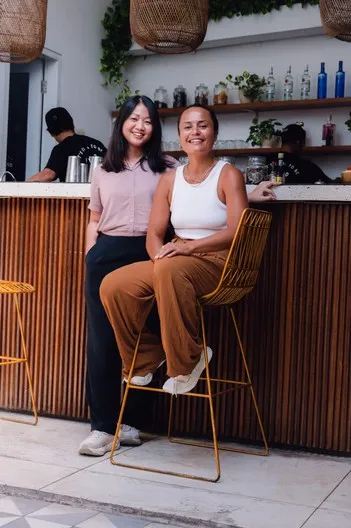
In a world choked by plastic and suffocating under the weight of consumerist excess, one woman’s quiet rebellion has rippled outward like a stone dropped into still water. She didn’t storm boardrooms with placards, nor did she chain herself to factory gates. Instead, she built a zero-waste home—not as an isolated fortress of purity, but as a living manifesto of resistance. And in doing so, she didn’t just transform her own life; she catalyzed a feminist community that thrives on care, collaboration, and collective defiance against the systems that profit from waste and exploitation.
The Zero-Waste Home: A Radical Act of Self-Determination
The zero-waste home is not a pristine, sterile bubble where every scrap of organic matter is composted and every surface gleams with the austerity of a monastic cell. It is, rather, a site of fierce autonomy—a refusal to participate in the extractive economy that treats Earth as a bottomless pit and bodies as disposable vessels. This woman, whose name may never trend on social media, understood something profound: sustainability is not a personal virtue but a political act. By rejecting single-use plastics, she rejected the logic that demands women’s labor be endlessly expended in cleaning up after industries that poison the air, water, and soil.
Her kitchen became a laboratory of resistance. Glass jars replaced plastic containers. Bulk bins replaced shrink-wrapped produce. Cloth napkins replaced paper towels. But this wasn’t about asceticism—it was about reclaiming agency. Every time she refused a plastic bag, she was saying: *I will not fund the corporations that poison my children’s future.* Every time she mended a garment instead of discarding it, she was rejecting the fast-fashion industry’s exploitation of garment workers—most of whom are women of color in the Global South. The zero-waste home was not a retreat; it was a battleground.
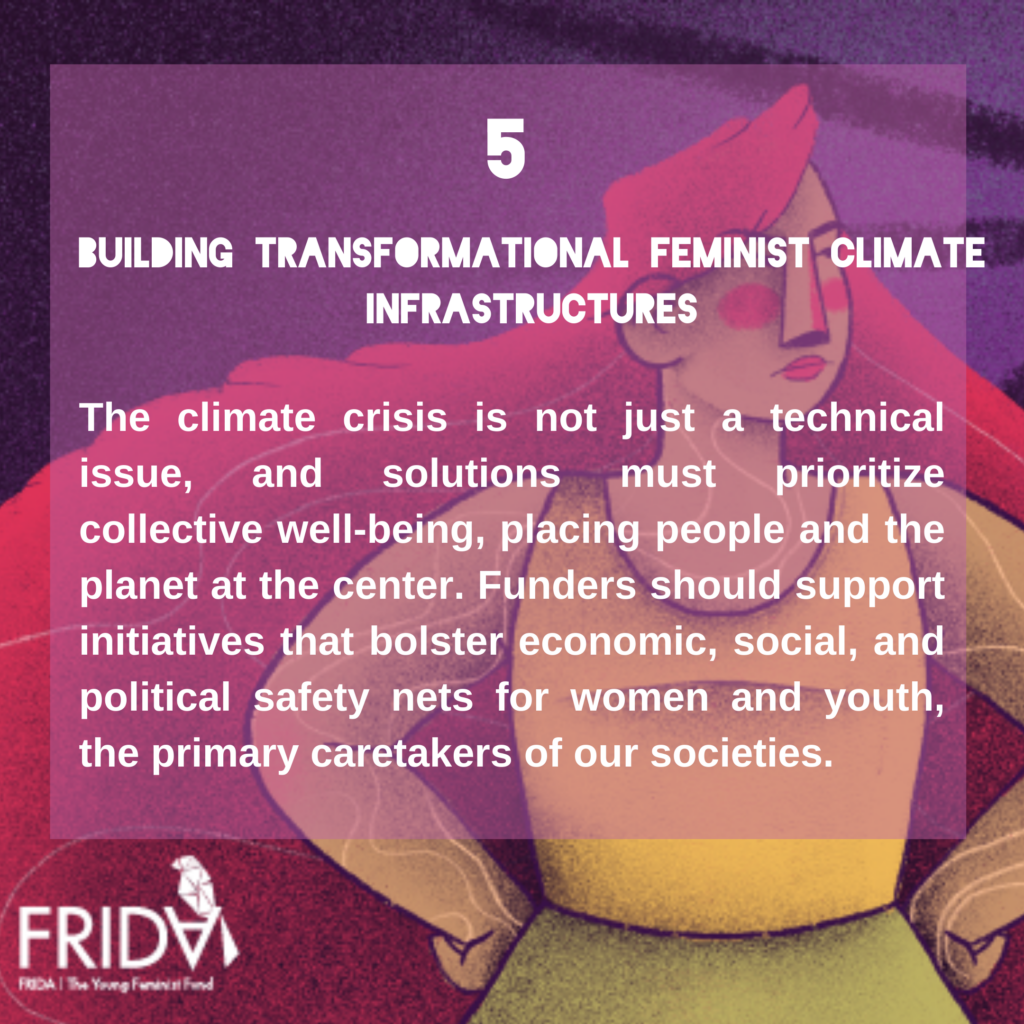
From Personal Practice to Collective Power: The Birth of a Feminist Ecosystem
But a zero-waste home alone does not dismantle patriarchy. What made this woman’s journey revolutionary was her refusal to keep her knowledge to herself. She understood that liberation is not an individual achievement but a collective endeavor. She began hosting workshops—not in sterile conference rooms, but in her living room, where the scent of baking soda and essential oils mingled with the hum of conversation. Women, non-binary people, and marginalized genders gathered to learn how to make toothpaste from coconut oil, how to sew reusable menstrual pads, how to ferment vegetables without relying on exploitative supply chains.
These gatherings were not just skill-shares; they were consciousness-raising circles. Participants spoke of the exhaustion of being the default caregivers, the emotional labor of managing household waste, the frustration of navigating a world that treats convenience as a human right while denying dignity to those who produce it. The zero-waste home became a metaphor for something larger: a world where care is not commodified, where sustainability is not a luxury, where community is not an afterthought.
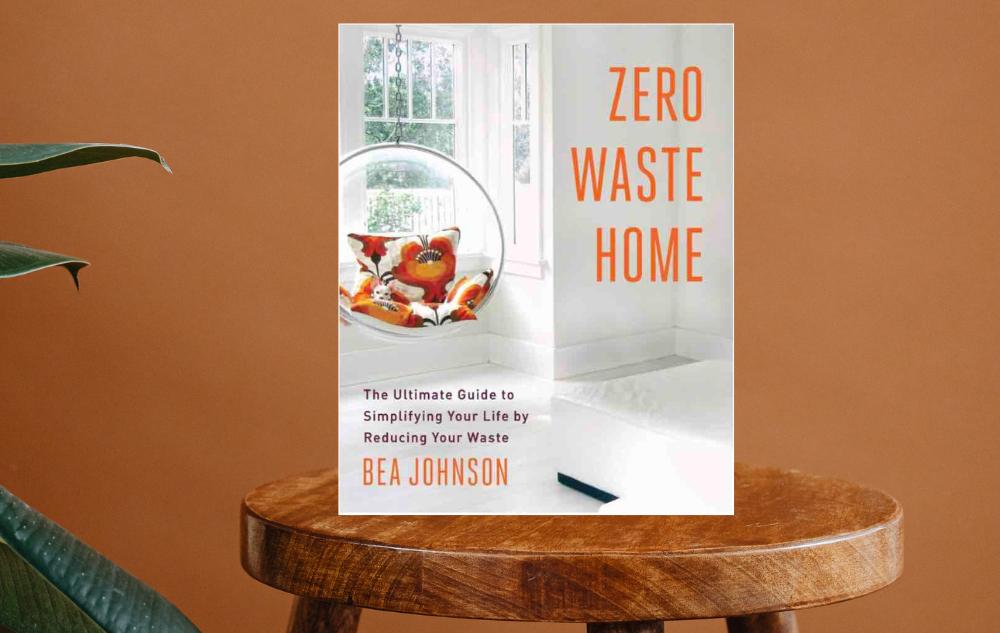
The Hidden Labor of Zero Waste: Challenging the Myth of Effortless Sustainability
Yet for all its radical potential, the zero-waste movement is not immune to the pitfalls of whitewashed environmentalism. Too often, it is framed as a lifestyle choice for the privileged—a way to signal virtue without confronting the structural inequalities that make waste a feminist issue. This woman’s work resisted that narrative. She emphasized that zero waste is not about perfection but about solidarity. When she taught a single mother how to make reusable diapers from old t-shirts, she wasn’t just reducing landfill waste—she was challenging the assumption that environmentalism is a middle-class preoccupation.
The labor of zero waste is disproportionately shouldered by women. Studies show that women are more likely to adopt sustainable practices, not because they are inherently more virtuous, but because they are socialized to be caretakers. This woman’s community made that labor visible—and then they redistributed it. Men were encouraged to take on composting duties. Children were taught to repair toys instead of discarding them. Elders shared wisdom on preserving food without refrigeration. The zero-waste home became a site where gender roles were not just challenged but actively dismantled.
Zero Waste as a Feminist Disruption: Beyond the Kitchen Sink
The implications of this work extend far beyond the boundaries of a single household. Zero waste, when embraced as a feminist praxis, becomes a framework for reimagining entire communities. Imagine a neighborhood where shared composting systems reduce the burden on municipal services—systems that are often underfunded in marginalized communities. Imagine a town where repair cafes flourish, where broken appliances are fixed instead of replaced, where the knowledge of how to mend is passed down like heirlooms. Imagine a city where menstrual product dispensers in public restrooms are stocked with reusable cups and cloth pads, where no one is forced to choose between their health and their dignity.
This is not utopian dreaming. In cities like Berlin and Portland, feminist zero-waste collectives have already begun to map these possibilities. They organize clothing swaps that disrupt fast-fashion cycles. They lobby for policies that mandate bulk food sections in grocery stores. They create mutual aid networks where those without access to bulk bins can still participate in sustainable practices. The zero-waste home is not an end in itself—it is a node in a larger network of resistance.
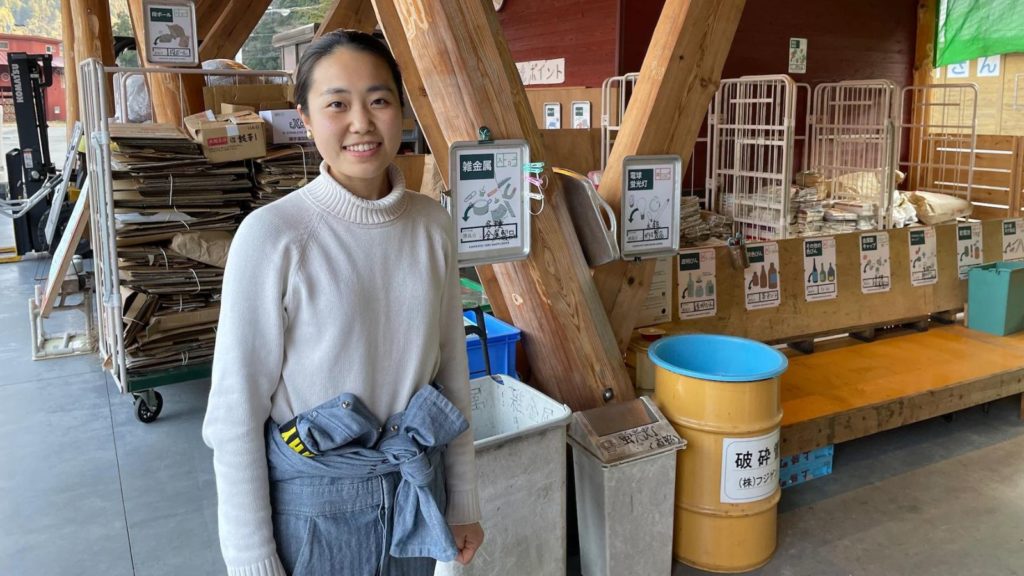
The Emotional Ecology of Zero Waste: Healing in a Wounded World
There is another dimension to this work that is rarely discussed: the emotional labor of living in a world that seems determined to destroy itself. The climate crisis is not just an environmental catastrophe; it is a psychic one. The grief, the rage, the despair—these are real, and they are valid. The zero-waste home, in this context, becomes a sanctuary. The act of composting kitchen scraps is not just about reducing methane emissions; it is about transforming waste into nourishment. The act of sewing a torn shirt is not just about avoiding fast fashion; it is about reclaiming a sense of wholeness in a culture that treats bodies and ecosystems as disposable.
This woman’s community became a space for processing these emotions. They held grief circles for the species lost to extinction. They wrote letters to future generations, imagining the world they wanted to leave behind. They celebrated small victories—the first successful batch of homemade yogurt, the first month without sending anything to the landfill—as acts of defiance. In doing so, they modeled a kind of emotional sustainability: one that acknowledges pain without succumbing to paralysis, that fosters resilience without romanticizing struggle.
From Theory to Action: How You Can Join the Movement
So what does it mean to be part of this feminist zero-waste revolution? It does not require you to live in a yurt or grow all your own food. It does not demand perfection—only participation. Start small: carry a reusable water bottle. Say no to straws. Bring your own container to the bulk store. But don’t stop there. Organize a skill-share in your community. Pressure your local government to invest in composting infrastructure. Support businesses that prioritize repair over replacement. Most importantly, recognize that zero waste is not a solo endeavor. It is a web of relationships—with the Earth, with each other, with the labor that sustains us all.
The woman who built a zero-waste home didn’t do it to be an influencer. She did it because she understood that the personal is always political—and that the most radical act of all is to refuse the systems that demand our complicity. In her footsteps, a feminist community has emerged: one that refuses to accept waste as inevitable, that centers care as a form of resistance, that builds resilience not through isolation but through connection. This is the future we are fighting for—not a world without waste, but a world where waste is no longer a tool of oppression.








Leave a Comment