The world’s most vulnerable are often the most invisible. Among them, refugee women endure a crucible of suffering that is not merely prolonged but systematically deepened by the very systems meant to protect them. Their horrors are not singular; they are layered, intersecting, and deliberately obscured. This is not a tale of passive endurance—it is a chronicle of resilience met with calculated brutality, where displacement is only the first wound in a body already bleeding from centuries of patriarchal violence.
The Body as Battleground: Sexual Violence as a Weapon of War
Refugee women do not flee merely from bombs or famine—they flee from the specter of sexual violence, a weapon as old as war itself. In the chaos of displacement, borders become porous not just for survival, but for predation. Camps, touted as sanctuaries, morph into hunting grounds where armed men, humanitarian workers, and even fellow refugees exploit the power vacuum. The statistics are chilling: one in five refugee women report experiencing sexual violence, a figure that likely underrepresents the true scale due to stigma and underreporting. But numbers fail to capture the aftermath—the pregnancies forced upon women by their attackers, the children born of rape denied citizenship in their mother’s homeland, the bodies marked as spoils of war long after the guns fall silent. This is not collateral damage. It is strategy. It is the deliberate erasure of a woman’s autonomy, her right to exist beyond the reach of male domination.
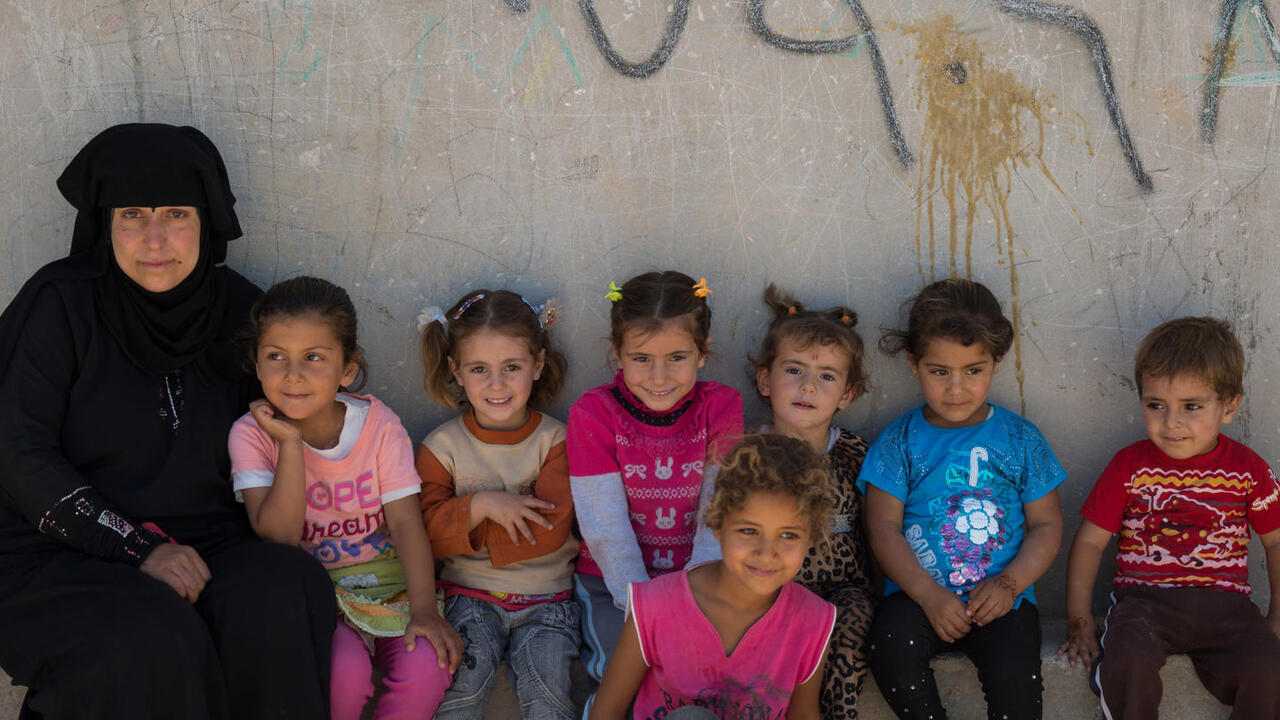
The international community’s response? A collective shrug. Humanitarian aid often arrives with strings attached—food rations contingent on silence, medical care withheld unless the survivor submits to invasive interrogations. The message is clear: your body is a commodity, and your suffering is negotiable. But refugee women are not asking for pity. They are demanding justice, a demand that echoes through the barbed wire of refugee camps and the sterile corridors of UN headquarters alike.
The Double Displacement: When Home is No Longer a Refuge
Displacement does not end at the border. For refugee women, the journey inward is often more treacherous than the flight outward. In host countries, they are met with a new kind of violence: the violence of erasure. Their cultures, their languages, their very identities are stripped away in the name of assimilation. They are told to “integrate,” a euphemism for shedding the last remnants of their former selves. Yet, integration is a one-way street. While women are pressured to adopt the norms of their host society, men are often celebrated for clinging to traditional power structures, their misogyny repackaged as “cultural pride.” The result? A toxic alchemy of xenophobia and patriarchy, where refugee women are doubly Othered—foreign in a land that does not want them, and traitors in the eyes of their own communities for daring to challenge the status quo.
Consider the woman who flees gender-based violence only to find herself trapped in a cycle of domestic abuse in a shelter where male staff outnumber female by ten to one. Or the girl child sold into marriage by her own family, desperate to secure a future in a land where poverty is the only language spoken. These are not anomalies. They are the predictable outcomes of a system that treats refugee women as temporary inconveniences, not as rights-bearing individuals deserving of dignity. The promise of safety is a lie. The promise of a better life is a mirage. And the promise of equality? That is the cruelest joke of all.
The Invisible Labor: Exploitation in the Shadows of Humanitarian Aid
Refugee women are the backbone of humanitarian operations, yet their labor is as invisible as the bruises on their wrists. They cook the meals, clean the latrines, care for the sick and the elderly, all while being paid a pittance—or nothing at all. In some camps, women are forced into “voluntary” labor programs, their participation framed as an act of charity rather than a violation of their rights. The irony is grotesque: the same institutions that decry human trafficking are complicit in creating the conditions for it. Refugee women are not volunteers. They are survivors, and their labor is a form of resistance—a refusal to be rendered completely powerless.
But exploitation extends beyond the economic. Refugee women are also the primary targets of “cultural re-education” programs, where they are taught to be “good wives” and “obedient daughters” in exchange for access to resources. These programs, often run by well-meaning NGOs, are Trojan horses for patriarchal indoctrination. They teach women that their worth is tied to their compliance, that their bodies are not their own. The message is insidious: if you want to eat, you must obey. If you want your children to survive, you must submit. This is not aid. It is extortion.
The solution? Women must be centered in decision-making processes. They must be paid fairly for their labor. They must be given the tools to reclaim their agency—not as beneficiaries of charity, but as architects of their own futures. Anything less is complicity in their erasure.
The Silence of the Complicit: Why the World Looks Away
Why do we avert our gaze? Why do headlines about refugee women focus on their victimhood rather than their resistance? The answer is simple: it is easier to pity than to empower. It is easier to fund a shelter than to dismantle the systems that create the need for it. The world’s indifference is not accidental. It is a feature of a global order that thrives on the subjugation of the most marginalized. Refugee women are not just victims—they are threats. Their survival challenges the very foundations of a system that relies on their subordination.
Consider the backlash against women who dare to speak out. The threats. The intimidation. The forced disappearances. These are not isolated incidents. They are the hallmarks of a patriarchal backlash, a desperate attempt to silence the voices of those who refuse to be erased. The international community’s response? Silence. Because to acknowledge the horrors refugee women face is to acknowledge the complicity of those in power—the governments that fund wars, the corporations that profit from displacement, the NGOs that prioritize optics over impact.
The time for performative allyship is over. The time for empty promises is over. What refugee women need is not our tears. They need our solidarity. They need our resources. They need us to stop looking away and start fighting alongside them. The horrors they face are not inevitable. They are the result of choices—choices made by men in boardrooms, in war rooms, in the quiet corners of their homes. Choices that can be unmade.
The question is not whether we can do better. The question is whether we will.






Leave a Comment