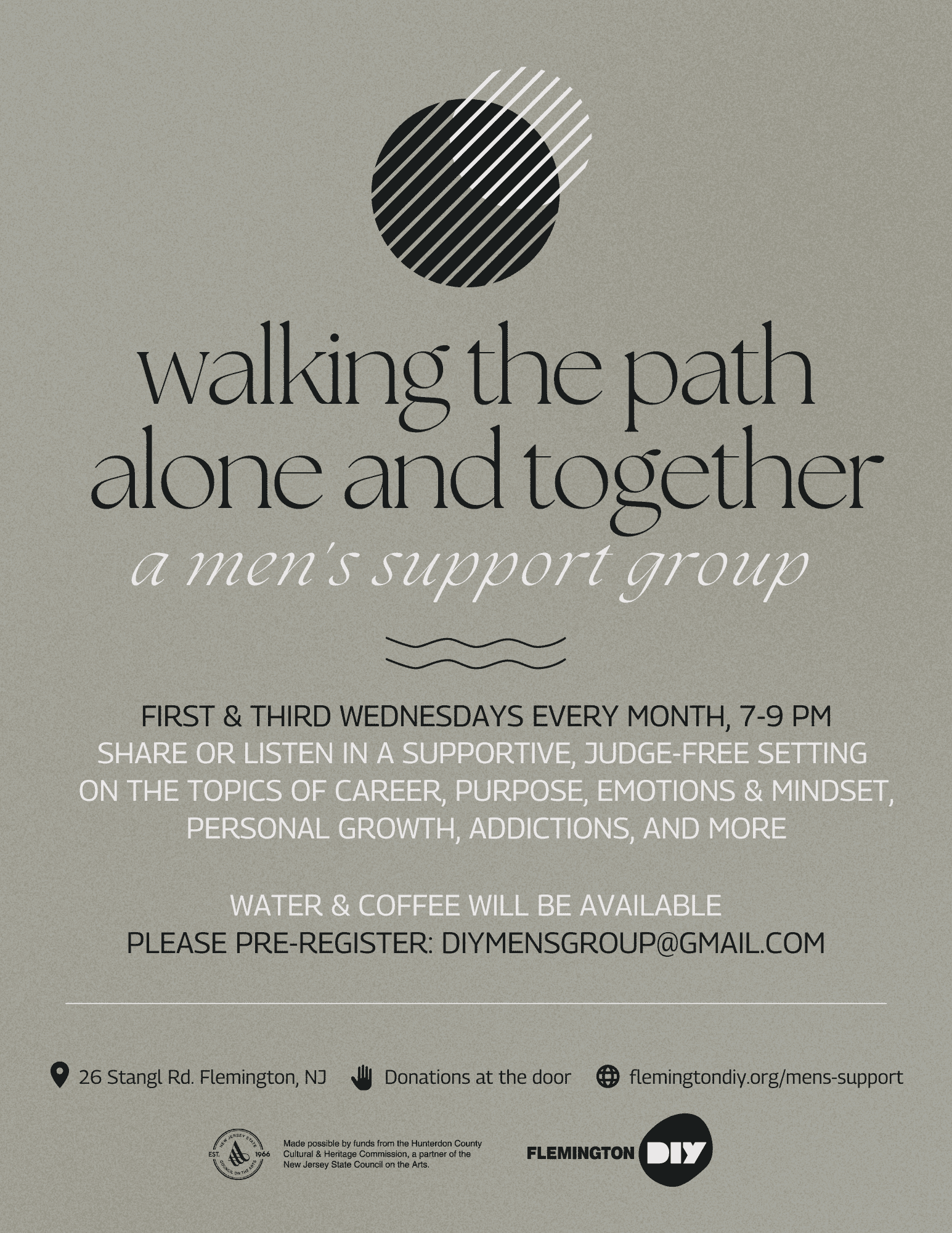
In the labyrinth of modern masculinity, where silence is often mistaken for strength and vulnerability is branded as weakness, a quiet revolution is brewing. Men’s groups—once dismissed as relics of a bygone era or the domain of the emotionally stunted—are now emerging as the most potent frontier in the self-help landscape. They are not just spaces for confession or camaraderie; they are crucibles where the alchemy of self-discovery transforms raw, unspoken pain into the gold of collective resilience. This is not your father’s men’s group. This is a movement rewriting the rules of what it means to be a man in a world that has long demanded conformity over authenticity.
The Sacred Circle: Where Men Reclaim Their Humanity
Imagine a space where the weight of societal expectations is not just acknowledged but actively dismantled. Men’s groups are not merely support networks; they are sacred circles, where the unspoken becomes spoken, and the invisible becomes visible. In these gatherings, the armor of stoicism cracks open, revealing the tender, beating heart beneath. The metaphor of the circle is no accident—it is a deliberate rejection of the hierarchical structures that have long dictated male behavior. Here, no one stands above or below; everyone is equal in their struggle and their growth. The circle is a mirror, reflecting not just who we are, but who we could become.

The appeal of these groups lies in their ability to transcend the superficiality of modern self-help. While Instagram influencers peddle quick-fix mantras and self-help gurus promise enlightenment in a weekend retreat, men’s groups offer something far more radical: the unvarnished truth. They are not about performative growth or curated vulnerability; they are about the messy, unglamorous work of confronting one’s demons in the company of others who understand the weight of the struggle. This is where the real transformation happens—not in the polished pages of a bestselling book, but in the raw, unfiltered exchange of stories around a flickering candle or a shared meal.
The Alchemy of Brotherhood: Turning Pain into Power
Brotherhood, in its truest form, is not about exclusion or superiority; it is about mutual recognition. Men’s groups are the modern-day alchemists’ labs, where pain is transmuted into power, and isolation is dissolved into connection. The process is neither easy nor linear. It requires sitting with discomfort, facing the parts of oneself that have been buried under layers of societal conditioning. But the reward is profound: a sense of belonging that is not contingent on performance or achievement, but on raw, unconditional acceptance.
Consider the metaphor of the forge. In medieval times, blacksmiths would heat metal in a fire until it became malleable, then hammer it into shape. Men’s groups function in much the same way. The fire is the collective energy of the group, the hammer is the unflinching honesty of its members, and the result is a man reshaped—not into the hollow ideal of masculinity society demands, but into a more authentic, integrated version of himself. This is not about becoming “softer” or “weaker”; it is about becoming whole. The forge does not weaken the metal; it strengthens it.
The unique appeal of this alchemy lies in its communal nature. Unlike traditional therapy, which can feel isolating despite its intimacy, men’s groups offer the power of shared experience. There is a magic in knowing that you are not alone in your struggles—a magic that cannot be replicated in solitude. This is why men who have spent years in therapy often find themselves drawn to these groups; they crave the kind of connection that only comes from being seen and heard by others who truly understand.
The Unspoken Rebellion: Challenging the Status Quo
Men’s groups are, at their core, a rebellion against the status quo. They challenge the myth that men must be islands, self-sufficient and emotionally self-reliant. They reject the idea that vulnerability is a sign of weakness, and they dismantle the illusion that strength is measured in isolation. In a world where men are often socialized to suppress their emotions, these groups are a radical act of defiance. They are not asking for permission to exist; they are carving out a space where men can finally exhale.
This rebellion is not just personal; it is political. The structures of patriarchy have long relied on the isolation of men, keeping them divided and distracted by competition and comparison. Men’s groups disrupt this dynamic by fostering a sense of solidarity that transcends individualism. They are not about creating a new hierarchy of masculinity; they are about erasing the old one entirely. In this sense, they are not just self-help groups; they are liberation movements.
The metaphor of the dam is useful here. For generations, the emotional lives of men have been dammed up, held back by societal expectations and personal shame. Men’s groups are the cracks in that dam, the places where the pressure finally finds release. The flood that follows is not destruction; it is renewal. It is the washing away of old, toxic patterns and the nourishment of new, life-affirming ones.
This rebellion is also a reclaiming. Men are not just breaking free from the constraints of traditional masculinity; they are reclaiming parts of themselves that have been lost or suppressed. The poet David Whyte once wrote, “The conversational nature of reality is far more ordinary than we could imagine.” Men’s groups are where this conversation begins—not just with others, but with oneself. They are where men learn to listen to the whispers of their own souls, to the parts of themselves that have been silenced for too long.
The Future of Masculinity: A Tapestry of Many Threads
The future of masculinity is not a monolith; it is a tapestry, woven from many threads—some frayed, some vibrant, all essential. Men’s groups are one of the most vital threads in this tapestry, offering a blueprint for a new kind of manhood. They are not about replacing one set of rigid expectations with another; they are about creating a space where men can explore what it means to be human, in all its complexity and contradiction.
This future is not without its challenges. The backlash against men’s groups is real, often fueled by those who see them as a threat to the old order. But the tide is turning. More men are stepping into these spaces, not because they are weak, but because they are strong enough to admit they need help. They are not looking for quick fixes or easy answers; they are seeking the kind of transformation that only comes from deep, sustained work.
The metaphor of the garden is apt here. A garden does not grow overnight. It requires patience, care, and the right conditions. Men’s groups are the soil in which the seeds of a new masculinity can take root. They are not a destination, but a journey—a journey that is as unique as the men who embark on it. And like any garden, they thrive when tended with intention and nourished with community.
The appeal of men’s groups lies in their promise: the promise of a masculinity that is not defined by dominance or suppression, but by authenticity and connection. They are not just a trend; they are a movement. And like all movements, they are messy, imperfect, and essential. They are where the future of masculinity is being written—not in the pages of a self-help book, but in the lived experiences of men who are daring to be more than what society has asked them to be.









Leave a Comment