
In a world that constantly demands humility and conformity, the phenomenon commonly derided as “Main Character Syndrome” emerges as a frighteningly potent form of self-advocacy. What is superficially dismissed as narcissism or self-centeredness deserves a far more nuanced exploration—one that recognizes it as a necessary rebellion against systemic erasure, a radical reclaiming of narrative agency. This isn’t just about people thinking they are the protagonist of their own stories; it’s about their insistence on being seen, heard, and valued in a society that habitually marginalizes individuality, especially for those whose identities have been relegated to the invisible margins. The fascination with the “main character” trope is not mere vanity—it is a profound expression of existential and social defiance.
Reframing the Narrative: From Narcissism to Legitimate Self-Advocacy
Too often, society vilifies the demand to occupy center stage as an egoistic excess unbecoming of a “reasonable” person. Yet, what if this so-called narcissism is simply a refusal to be relegated to the background silence? The craving to be the protagonist—the main character—is, in essence, a call to assert one’s complexity in a world that simplifies and stereotypes. It challenges the invisibility imposed by systemic patriarchies, racial hierarchies, and class struggles. This insistence on narrative importance is a form of empowerment. It reclaims the right to define oneself, narrate one’s journey, and resist reductive roles assigned by external gazes.

The Cultural Void and the Hunger for Centrality
Modern society, with its relentless uniformity and social saturation, crafts a cultural void where authentic selfhood is often stifled. The digital age, ironically, has amplified this hunger for centrality despite—or because of—its saturation of information. Social media platforms become stages where the pedestrian is transformed into a spectacle, where personal narratives are amplified in search of acknowledgement. This hunger reflects a deeper, cultural void: the frequent lack of authentic spaces where marginalized voices can fully flourish. When the social structure minimizes dissent and difference, claiming the “main character” status is a seminal act of cultural reclamation.
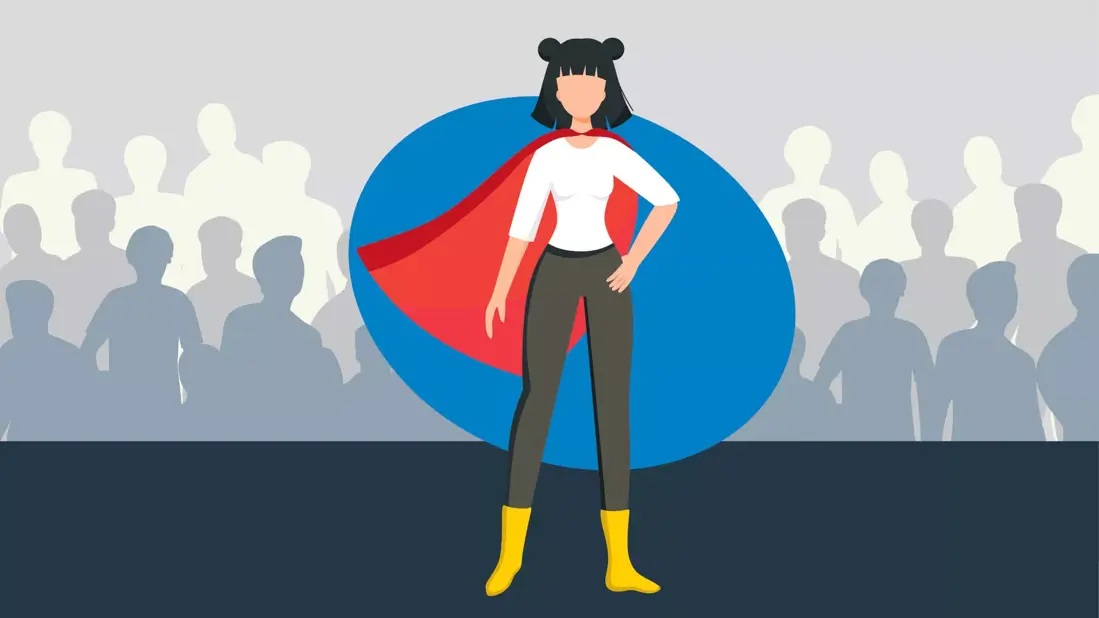
Intersectionality and the Main Character: A Fight Against Erasure
For marginalized populations—be it through race, gender, sexuality, or class—the main character is not just a fantasy but a critical lifeline. It is a mechanism to combat systemic erasure and invisibility. In intersectional feminism, this moment of self-eminence disrupts the hegemonic narratives that have long dictated who deserves to be seen and heard. It transforms passive existence into active resistance. The fascination with embodying the main character becomes a response to social alienation, a claim to belonging in a world designed to exclude. The urgency behind this phenomenon is not shallow self-obsession but a profound fight for survival and recognition.
Psychological Resilience and the Construction of Selfhood
Psychologically, identifying as the main character plays a crucial role in building resilience. The construction of one’s identity—as not merely a background figure but as an agent of one’s story—fortifies mental well-being and combats the crushing weight of societal marginalization. It encourages introspection, self-compassion, and assertiveness. These are not just trendy buzzwords in pop culture but pivotal tools for anyone navigating adversity. In the face of trauma and invisibility, the act of imagining oneself as central to the narrative is fiercely radical and necessary for mental survival.
Critiquing the Backlash: The Case Against Denying Self-Priority
The vehement criticism aimed at “main character syndrome” often reveals deep-seated cultural discomfort with individualism and self-prioritization. In communities historically conditioned to prioritize collective needs over personal autonomy—especially women and oppressed groups—this backlash assumes a punitive tone. Yet, denying oneself the mantle of importance can entrench cycles of self-neglect and socio-political invisibility. Recasting self-prioritization as synonymous with vanity does nothing but perpetuate harmful norms of self-erasure. Embracing one’s main character status, therefore, is an act of healthy boundary-setting and an antidote to toxic humility.

The Power Dynamics Behind the Label
Language shapes power, and the phrase “Main Character Syndrome” itself is steeped in subtle attempts to police identity and limit self-expression. It acts as a satirical dismissal rather than a genuine critique, weaponized to undermine the legitimacy of claiming narrative control. Therein lies an insidious power dynamic: those with narrative privilege deem others’ self-assertion as pathological or immature. Recognizing this dynamic invites deeper empathy and dismantling of gatekeeping frameworks that resist the democratization of storytelling. After all, who decides who gets to be the protagonist?
Conclusion: Embracing Main Character Status as a Revolutionary Act
The fascination with being one’s own main character is not a frivolous cultural meme. It is a potent form of self-advocacy, rooted in the need to be visible, to be heard, and to remain unapologetically present in a world predisposed to overlook certain narratives. Rather than condemning this phenomenon as narcissism, it must be celebrated as a revolutionary act that reclaims agency and fosters resilience. To embrace one’s main character status is to defy erasure, challenge oppressive structures, and assert unabashed humanity. It is high time this cultural phenomenon be understood not as a sickness but as a vital assertion of identity and power.








Leave a Comment