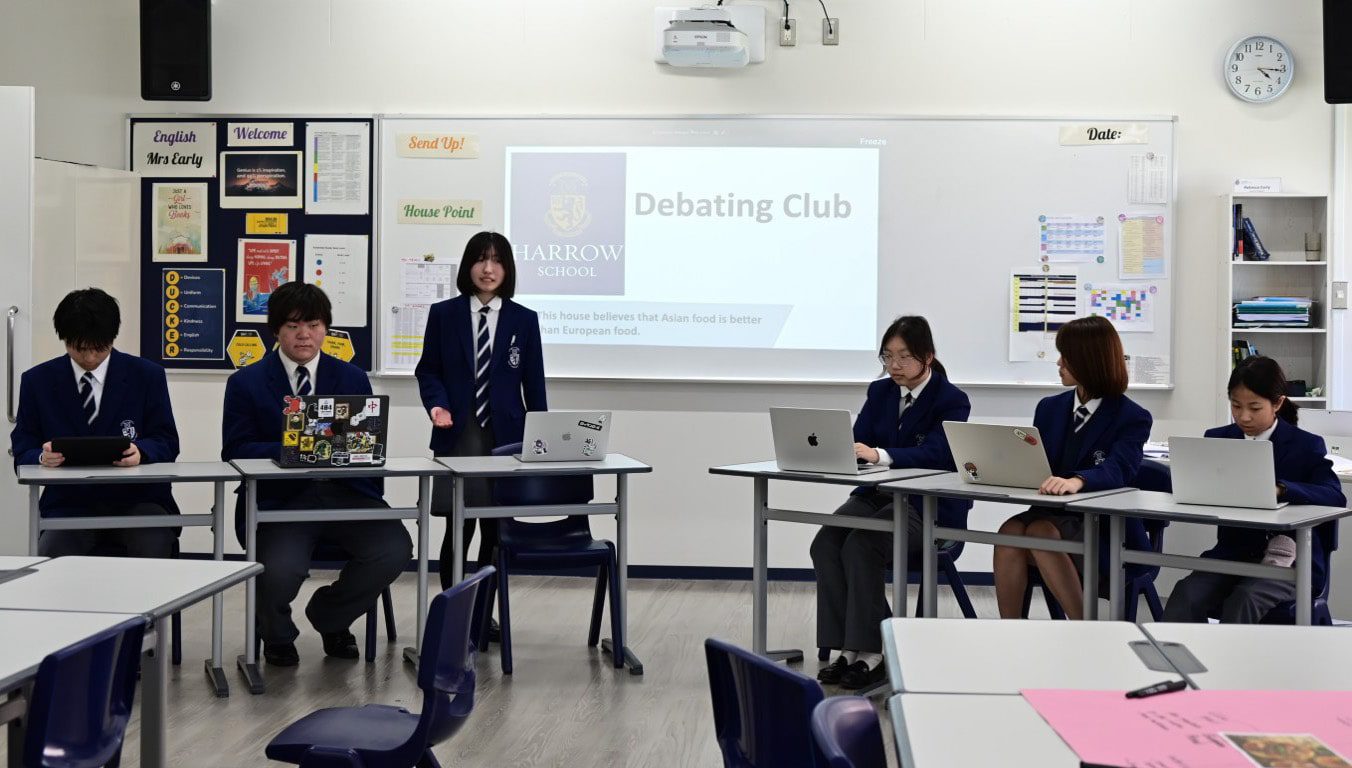
Despite the seemingly egalitarian nature of modern classrooms, a stubborn reality persists in many debate clubs across the globe: these arenas, lauded for fostering critical thinking and eloquence, continue to operate predominantly as boys’ clubs. This phenomenon is no mere accident of participation rates or coincidence of social circles. It is a telling mirror reflecting ingrained societal undercurrents, structural inequities, and cultural mythologies about gender and power. Why does this bastion of intellectual combat remain so resistant to genuine gender parity? And what does this reveal about our collective fascination with who controls the spoken word?
The Illusion of Gender-Neutral Intellectual Spaces
To an untrained eye, debate clubs may appear as meritocratic grounds where ideas duke it out on equal footing, judged solely on logic and rhetorical prowess. Yet, beneath this façade lies an embedded normativity that privileges traditionally masculine modes of communication and competition. Debate formats often prize aggression, interruption, and relentless self-assertion—traits culturally coded as masculine. These valued traits forcibly marginalize alternative styles of expression more commonly employed by women, such as collaborative reasoning, empathy, and nuanced argumentation. Thus, the so-called neutral platform subtly replicates gender hierarchies by defining the language and behavior of success through a masculine lens.

Historical Precedents: Legacy of Male Dominance
The male skew in debate is not merely a happenstance but a historical inheritance. From the earliest iterations of competitive rhetoric in ancient societies through the formalized debate societies of the 19th and 20th centuries, public oratory was a dominion reserved overwhelmingly for men. Women’s voices were systematically excluded—or relegated to private spheres that bore little resemblance to competitive debate forums. This legacy continues to cast a long shadow, influencing who feels entitled or welcomed to enter these circles today. Moreover, institutional gatekeeping remains insidiously alive via subtle discouragement, the perpetuation of male mentorship networks, and invisible biases in adjudication.
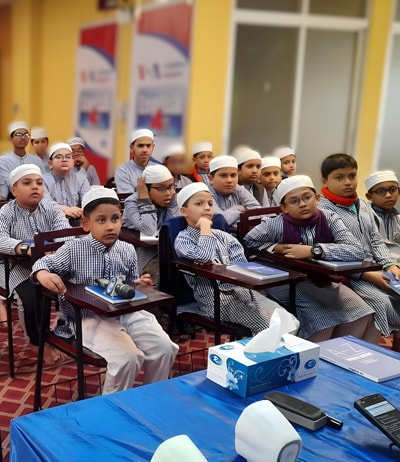
Cultural Conditioning and Gendered Expectations
Beyond institutional histories, the perpetuation of boys’ domination in debate is deeply entwined with broader cultural conditioning about gender roles. From an early age, girls are frequently socialized towards reticence and emotional restraint, subtly taught that vociferous argumentation is unbecoming. Boys, conversely, are encouraged to claim space loudly, to dominate conversations as a marker of power. Even when girls do participate, the risk of negative social labels—such as being deemed aggressive or confrontational—looms large, dissuading full engagement. The debate stage thus becomes a battleground where not just ideas, but gender norms are fought over and enforced with relentless tenacity.
Structural Barriers and Accessibility Challenges
Structural impediments also play a deleterious role in sustaining male dominance. Debate clubs frequently operate with informal recruitment, often reliant on word-of-mouth referrals that reproduce existing demographic patterns. This network effect fortifies male continuity while making access for girls more difficult. Meeting times, competitive schedules, and sponsorships may clash disproportionately with responsibilities or social commitments more often borne by female students. Furthermore, a lack of visible female role models and leaders within debate circuits can exacerbate feelings of alienation, creating a feedback loop that dissuades newcomers and perpetuates exclusion.

Gender Bias in Judging and Feedback
One often overlooked factor lies in judging and feedback mechanisms. Judges and adjudicators, who may harbor subconscious biases, can favor argumentative styles traditionally associated with men. Studies reveal that women debaters are sometimes penalized for assertiveness, paradoxically receiving critiques that mirror stereotypes about gendered communication: men praised for confidence, women for diplomacy. This distorted feedback can erode women’s confidence and willingness to participate vigorously in future debates. Such evaluative disparities not only shape individual trajectories but ripple through the culture of debate, sustaining male ascendancy.
The Fascination with Oratory Power and Masculinity
The enduring allure of debate as a proving ground for oratory dominance cannot be divorced from broader gender politics that valorize masculine power. Debate clubs, wittingly or unwittingly, become stages where cultural myths about masculinity are enacted—where verbal sparring echoes the primal contests of dominance and control. This cultural mystique around male intellectual authority invests debate with a symbolic potency that discourages female insurgency. Each victory by a male debater can be seen as a reaffirmation of hegemonic gender orders; each female breakthrough, while celebrated, often remains an exception rather than a systemic shift.
Transformative Potential: Toward a More Inclusive Debate Culture
Yet, this boys’ club is not fate. The fight for true inclusivity requires deliberate and concerted interventions. Reimagining debate formats to validate diverse rhetorical styles, instituting gender-conscious judging panels, and proactive recruitment can disrupt entrenched patterns. Educational institutions bear responsibility for nurturing environments where girls are emboldened to claim verbal space without stigma or penalty. Mentorship by accomplished female debaters is vital in creating aspirational pathways. Only by consciously dismantling the intertwined barriers of history, culture, and structural bias can debate clubs become genuinely vibrant sites of gender equality.
Until then, the phenomenon of the debate club as a boys’ club remains a potent symbol—one that forces us to reckon with how language, power, and gender continue to shape who is heard and who is silenced in the arenas where ideas truly contend.








Leave a Comment