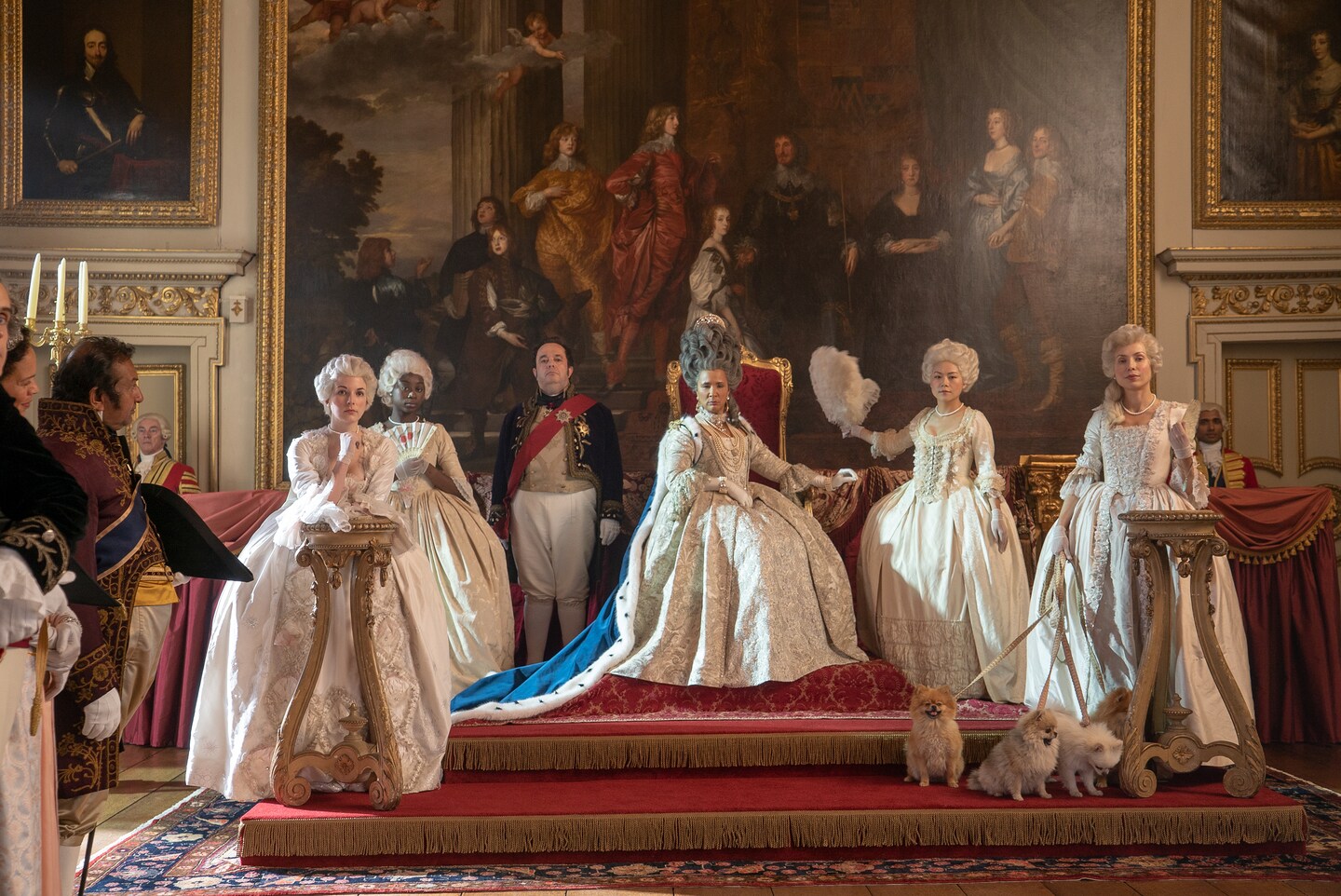
On the surface, Bridgerton may appear as a glossy period drama dripping with corsets, ball gowns, and scandalous whispers within the hallowed halls of Regency England. Yet, beneath this velvet veneer lies a subversive pulse, a bold and unapologetic feminist manifesto artfully disguised in ruffles and romance. Bridgerton is not merely a tale of love and intrigue; it is a radical rewiring of traditional narratives, a clarion call for liberation cloaked in the grandeur of a bygone era. This series refuses to be pigeonholed as mere escapism, daring audiences to confront the complexities of power, identity, and agency in a world that has long dictated who a woman should be.
Reimagining Power Dynamics in the Regency Era
At first glance, Bridgerton presents a world steeped in patriarchy, where aristocratic men hold the reins of social and economic power. But the show masterfully complicated this typical framework by showcasing women not as meek participants but as strategic architects of their own destinies. The female characters maneuver through constrained social expectations with a fierce cunning that is both inspiring and unsettling.
Take Daphne Bridgerton, whose journey from naïve debutante to fully realized agent of her own happiness dismantles the tired trope of passive Victorian femininity. The series illuminates her evolution as an act of rebellion, navigating restrictions imposed on her with a combination of wit, resilience, and emotional intelligence—tools of empowerment that don’t require overt confrontation with the patriarchal order but rather an exquisite subversion of it.

Women in Bridgerton also wield social capital in ways that challenge classical power structures. The layered depictions of Queen Charlotte, Lady Danbury, and the Featherington matriarch reveal an intricate tapestry of influence that transcends male authority. It’s a refreshing repudiation of the misconception that women in history lacked agency; instead, the show artfully portrays their power as nuanced and multidimensional—often invisible to the male gaze, but no less formidable.
Intersectionality Woven into the Fabric of Storytelling
Bridgerton boldly rejects the sanitized, homogenous depictions of period dramas that historically excluded marginalized voices. The casting choices alone are a declaration of intent—diversity does not dilute authenticity; it enriches it. Blackness and other identities are not reduced to background ornamentation but are integral to the narrative’s fabric.

By positioning a Black queen at the throne, the series challenges entrenched historical erasures, offering a reimagined power structure that insists on inclusion. This intersectional approach intersects with feminist themes through the layered experiences of women of color who confront both racial and gendered dimensions of oppression. It’s a radical reclamation of agency that sends a resounding message: the struggle for liberation cannot be monolithic—it acknowledges race, class, and identity as critical dimensions.
This narrative choice enriches the show’s feminist discourse, drawing attention to the multiplicity of women’s experiences, pushing beyond the white-centric narratives that have too often defined media portrayals of history and feminism alike.
Subverting Traditional Romantic Ideals
Romance in Bridgerton isn’t simply a backdrop for titillating escapades; it becomes a battlefield for feminist assertion. The series shatters the archetype of love as submission by depicting relationships fraught with negotiation, consent, and emotional labor.
Duke Simon Basset’s refusal to conform to societal expectations around marriage—and Daphne’s insistence on mutual respect—crystallize a modern understanding of partnership that is revolutionary against the conventional scripts of the genre. Consent is foregrounded unapologetically, with scenes that refuse to sexualize powerlessness under the guise of passion.
Moreover, characters grapple with vulnerability and strength simultaneously, contesting rigid gender norms. This complexity demonstrates how love and desire can coexist with autonomy and self-respect, thereby reframing romance as a space that honors feminist principles.
The Language of Feminist Resistance: Visual and Narrative Symbolism
The imagery in Bridgerton is not accidental; it’s laden with visual rhetoric that amplifies its feminist undertones. From the symbolism woven into costume design to the settings teeming with both opulence and entrapment, the aesthetic choices whisper of revolution beneath a polished exterior.

Costumes play a crucial role in articulating the tension between societal expectations and personal freedom. The contrast between constricting corsetry and the moments when characters shed these bindings overtly or metaphorically captures the feminist narrative of breaking free.
Likewise, the narrative employs sharp, often poetic dialogue that exposes the hypocrisy of gendered double standards, illuminating the ways women verbally reclaim power. These linguistic flourishes are not just embellishments but serve as rallying cries embedded within the storytelling, provoking critical reflection on gender norms.
Championing Female Solidarity Over Competition
Unlike many portrayals that pit women against each other, Bridgerton elevates female solidarity as a feminist imperative. The sisterhood within the Bridgerton family and the alliances formed across class and status reveal a radical vision of women’s relationships as sources of collective strength rather than rivalry.
Such portrayals disrupt the pernicious myth that women’s empowerment is a zero-sum game. Instead, the series embraces an ethos where collaboration and empathy coexist with ambition and individuality. These layered female dynamics reinforce the idea that feminism thrives not in isolation but through communal uplift—an empowering message for contemporary discourse.
Ultimately, Bridgerton stands as a secret feminist masterpiece because it is simultaneously a sumptuous period fantasy and a sharp dissection of gender politics. It invites viewers to enjoy the trappings of romance and drama while engaging with the profound, unvarnished truths about women’s enduring fight for autonomy and respect. With every silken glove and whispered secret, the series reminds us that feminism can be as exhilarating as it is necessary—bold, beautiful, and unapologetically subversive.






Leave a Comment