
The phrase “Believe Women” surged as a rallying cry, a clarion call to break decades of silence surrounding sexual assault and harassment. Yet, this well-intended mantra did not merely incite affirmation—it beckoned investigation, scrutiny, and an unrelenting demand for justice. Paradoxically, the very act of mobilizing society to validate survivors catalyzed a fierce backlash, a complex counterreaction that sought not only to undermine the movement but also to weaponize skepticism against those it aimed to empower. This piece excavates the multilayered reasons why “Believe Women” morphed from a straightforward plea into an arena of politicized battles, public inquiry, and retaliatory narratives.
The Genesis of “Believe Women”: From Silence to Sovereignty
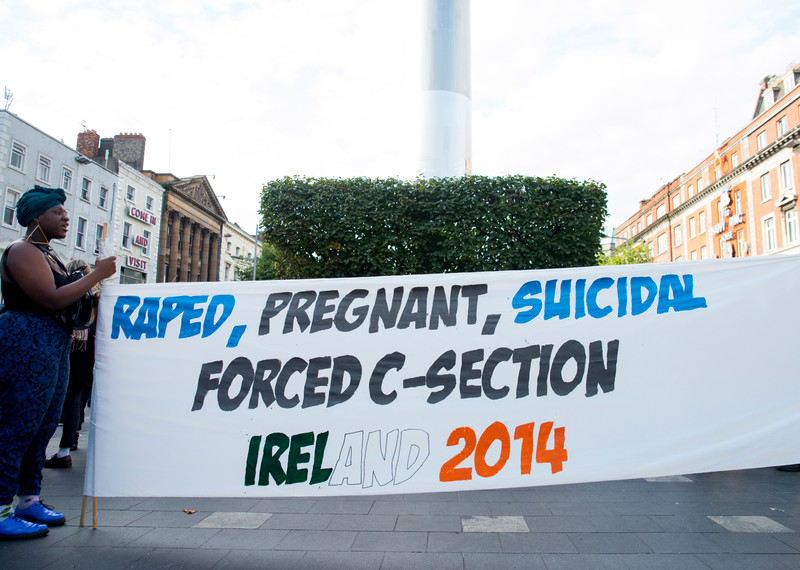
For generations, survivors of sexual violence found themselves enmeshed in a web of disbelief, incredulity, and social ostracism. The simple act of telling one’s story was perilous, routinely dismissed or met with hostility. “Believe Women” emerged not as an anarchic slogan but as a corrective force intent on shifting the dominant paradigm: from silence to sovereignty. It demanded that women’s lived experiences be treated with authenticity and respect, laying the foundation for punishing perpetrators and dismantling entrenched systems of patriarchy.
This shift necessitated investigative rigor—validation was not unconditional but predicated on earnest examination. Stories were no longer confined to hushed corridors; they demanded public hearings, forensic scrutiny, and legal interrogation. The movement’s radical transparency became both its strength and, inadvertently, its vulnerability.

Investigative Claims: The Dual-Edged Sword of Validation
When claims of sexual misconduct confront the glare of investigation, two contrasting dynamics emerge. On one hand, meticulous inquiry offers survivors the labyrinthine but essential path to justice, recognition, and societal transformation. On the other, it exposes them to procedural skepticism, victim-blaming, and retraumatization.
The investigative process, ideally, is an objective pursuit of truth. Yet, in practice, it often manifests as an arena where survivors’ motives, memories, and morality are cynically dissected. This paradox is a crucible for many women—affirmed by the movement yet doubted by institutions entrusted to protect them. The backlash germinates here, fueled by a fear of false allegations, media sensationalism, and the erosion of the presumption of innocence traditionally afforded in judicial systems.
The Backlash: Misogyny Repackaged as Justice
The backlash against “Believe Women” is not a spontaneous public rebellion but an orchestrated counterstrike. It thrives on conflating legitimate demands for accountability with a supposed culture of false accusations. This conflation stokes societal anxieties about due process while masking deeper misogynistic impulses—an entrenched desire to preserve inequitable power structures.
This backlash manifests across multiple arenas: political grandstanding that weaponizes doubt, media narratives that sensationalize outlier cases, and institutional inertia that stymies reform. It dismisses the systemic nature of sexual violence, portraying it as sporadic and exceptional. It paradoxically condemns both silence and speech, forming a Catch-22 for survivors.

The Intersectional Toll: How Backlash Disproportionately Impacts Marginalized Women
The backlash against believing women does not strike evenly across the spectrum of womanhood. Women of color, LGBTQ+ individuals, disabled women, and migrants bear the brunt of compounded disbelief and structural erasure. Their claims are often doubly scrutinized due to systemic biases, reinforcing an exclusionary culture within movements that are ostensibly inclusive.
This intersectional marginalization is a pernicious byproduct of backlash, further deepening distrust in institutions and social movements alike. It reveals the fractured nature of feminist activism when genuine solidarity slips into tokenism or selective advocacy. The fight to believe all women demands a careful, nuanced understanding that justice must be as expansive as the identities within womanhood.
Amplifying Survivors’ Voices Amidst the Noise
Notwithstanding the backlash, the clarion call to genuinely amplify survivors’ voices remains crucial. Beyond slogans, it requires a recalibration of societal values—recognizing trauma as a legitimate social currency and acknowledging power imbalances as critical context. Surviving the backlash mandates not just perseverance but strategic storytelling that humanizes rather than commodifies pain.
Platforms now abound that enable survivors to claim narrative sovereignty. However, these also reveal the precariousness of digital advocacy, where trolling, doxxing, and misrepresentation lurk. Holding firm to the principle of belief means resisting the impulse to silence through shame and retaliation, instead championing empathy, accountability, and systemic change.
The Path Forward: Transforming Belief into Systemic Change
The transformative potential of believing women extends beyond individual cases. It demands institutional reform—revamping legal frameworks, overhauling law enforcement protocols, and mandating comprehensive education on consent and gender-based violence. Only through systemic change can the oscillation between belief and disbelief be resolved.
Moreover, it calls for cultural evolution—deconstructing toxic masculinity, dismantling patriarchal norms, and fostering environments where accountability is holistic, not performative. The backlash is a symptom of resistance to such profound change, a bellwether signaling the arduous journey still ahead.
The act of believing women is not naïve trust but a radical act of justice, a commitment to undo centuries of oppression cloaked in silence. The investigation of claims, far from diluting belief, must coexist as a rigorous mechanism ensuring truth, healing, and societal progress.








Leave a Comment