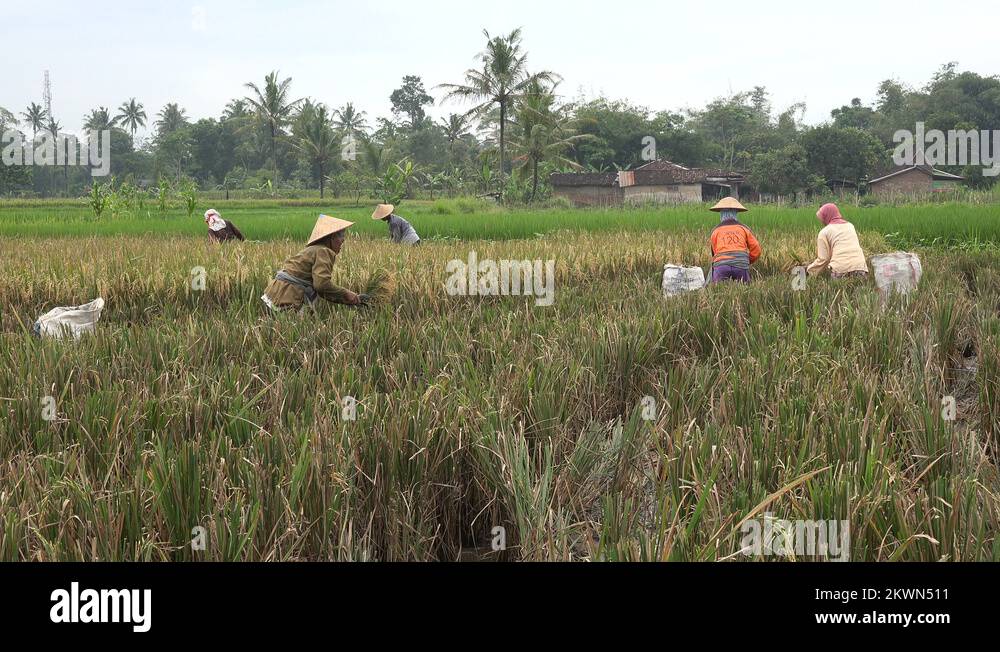
The village is often romanticized as a bastion of culture, tradition, and identity—the heartbeat of a nation untouched by the mechanizations of modernity. Yet, lurking beneath this idyllic facade lies a truth frequently ignored, masked by nostalgia and decorative storytelling: the village is, quite simply, other women bound in the shackles of unpaid labor. It is a hidden economy where countless tasks, invisible and undervalued, are performed ceaselessly by women whose sacrifices sustain entire communities. This reality exposes not only systemic gender disparities but also forces a reckoning with our collective fascination—a fascination that reveals more about societal attitudes toward women and labor than about the villages themselves.
The Invisible Backbone: Women’s Unpaid Labor in Village Societies
Walk through any rural landscape, and you will find a hive of activity—fields tilled, water fetched, wood gathered, meals prepared, children nurtured, and traditions upheld. But what remains invisible is how much of this labor goes uncompensated, unrecognized, and fundamentally underestimated. Village economies rely heavily on women’s contributions, which often escape the ledger of economic calculation. Women perform agricultural tasks in the heat of the sun, tend to livestock with painstaking care, manage household chores, and participate seamlessly in community ceremonies. Yet, their efforts, so essential to the survival and stability of the village, are rarely commodified, rarely validated with remuneration.

This unpaid labor is not an incidental byproduct of traditional lifestyles, but a systemic feature of patriarchal structures. It reveals the underlying condescension toward women’s work—seen as a natural extension of their supposed “duties” rather than a valid economic contribution. The village thus becomes a laboratory of gendered exploitation where women’s labor fuels other systems, like agriculture and social reproduction, without any reciprocal compensation.
The Fountain of Fascination: Why Are We Mesmerized by “Village Women”?
The global imagination remains inexorably drawn to the figure of the ‘village woman.’ She embodies resilience, simplicity, and an archetype of purity connected to the earth and community. This fascination persists in photographs, literature, and media—often sanitized or aestheticized—depicting village women as timeless symbols of endurance and grace. However, this romantic portrayal often obscures more than it reveals.

Why this allure? Perhaps it is because the village woman carries a paradox: she is both the embodiment of hope and an emblem of subjugation. The fascination nourishes a voyeuristic impulse—admiring the toil without interrogating its implications. It allows urban consumers of imagery to witness hardship at a safe remove, to be moved by fortitude, but to avoid responsibility for the structural inequities that demand such strength in the first place.
This gaze often elevates the village woman to mythic proportions, rendering her labor invisible by shrouding it in an aura of inevitability, almost divine sacrifice. It is easier to revere a symbol than confront the discomforting truth that the longevity of entire communities depends on unpaid, exhausting work.
Gendered Economies: The Intersection of Patriarchy and Tradition
Understanding why the village operates as a network of free female labor requires peering into the interwoven fabric of patriarchy and tradition. These social structures not only define gender roles but legitimize and perpetuate unequal labor distribution. In many village societies, a rigid division of labor assigns women primarily to caregiving, agricultural, and domestic roles that remain socially undervalued. The male domain—whether it be formal employment, village leadership, or political decision-making—receives recognition, rewards, and authority.
Patriarchal mores enforce a hierarchy where women’s labor is dismissed as mere “extension of nature” or gift to family and community, rather than as skilled, valuable contribution. Tradition becomes an instrument of invisibility, cloaking exploitation in ritual and custom. Women’s voices and choices shrink beneath the weight of social expectations, creating a facade of communal harmony built on uncompensated female toil.
Breaking the Cycle: Recognition and Reclamation of Women’s Labor
To dismantle the paradigm of the village as “other women doing free labor” demands a fundamental revaluation of labor itself. Economic systems and social policies must widen the apertures of value to include care work, domestic labor, and subsistence farming. This is not simply women’s issue; it is a question of justice, equity, and human dignity for entire societies.
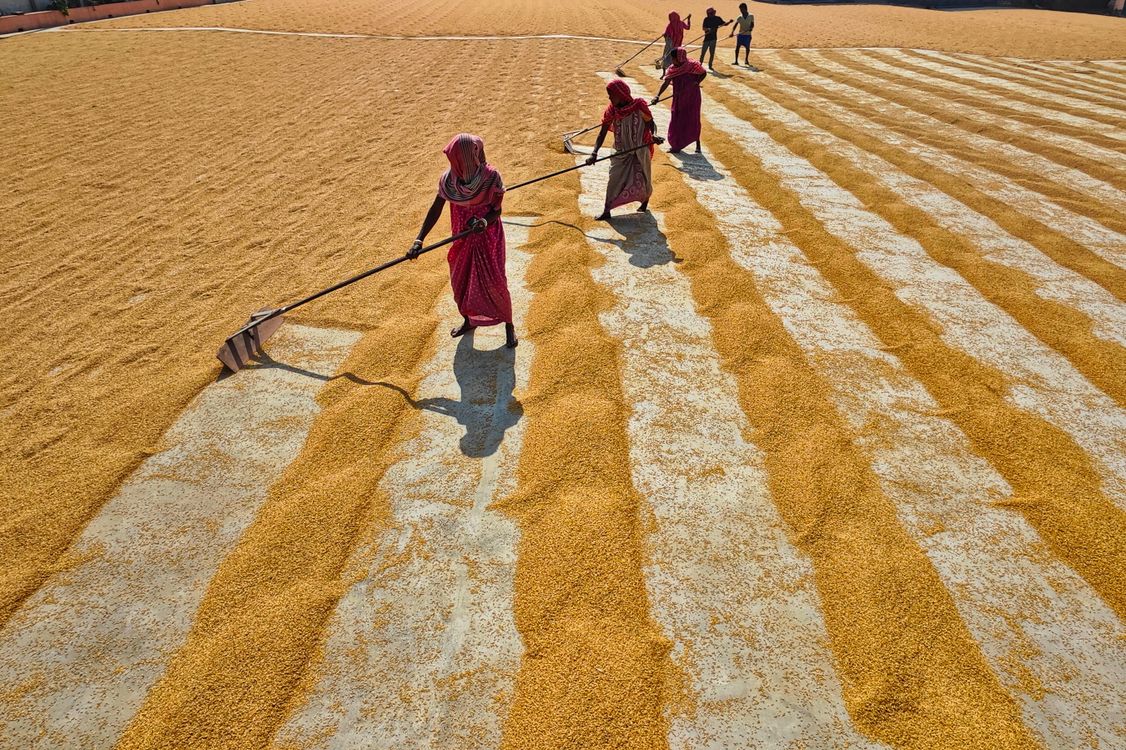
Recognition can come in many forms: monetary compensation, social respect, legal protections, and inclusion in decision-making processes. The articulation of women’s labor as an indispensable pillar of the village’s economic and cultural life challenges entrenched narratives and opens pathways for empowerment. Interventions must be rooted in the voices and agency of these women themselves, not imposed from outside, to ensure authentic transformation.
Moreover, the reshaping of collective imagination is crucial. Moving beyond stereotypes and sentimentalization, society needs narratives that confront the exhaustion, the inequality, and the resilience with equal candor. Only then can the village cease to be a spectacle of free labor and become a space where women—and their work—are genuinely valued and sustained.
Conclusion: From Spectacle to Solidarity
The village is not a quaint backdrop or a frozen relic. It is a site of relentless labor, particularly by women, whose work supports generations yet remains unseen and unpaid. Our fascination with the village woman reveals deep cultural contradictions—admiration shadowed by neglect, myth shrouding exploitation. To move forward demands more than acknowledgment; it demands systemic change in how labor is recognized, rewarded, and shared.
The village is indeed other women doing free labor. This stark observation is not a condemnation of tradition but a call to illuminate and disrupt the structures that sustain gendered injustice. In redefining our gaze—from exoticizing to empathizing, from spectacle to solidarity—lies the hope of transforming villages into communities where women’s work is not invisible, but inviolable.








Leave a Comment