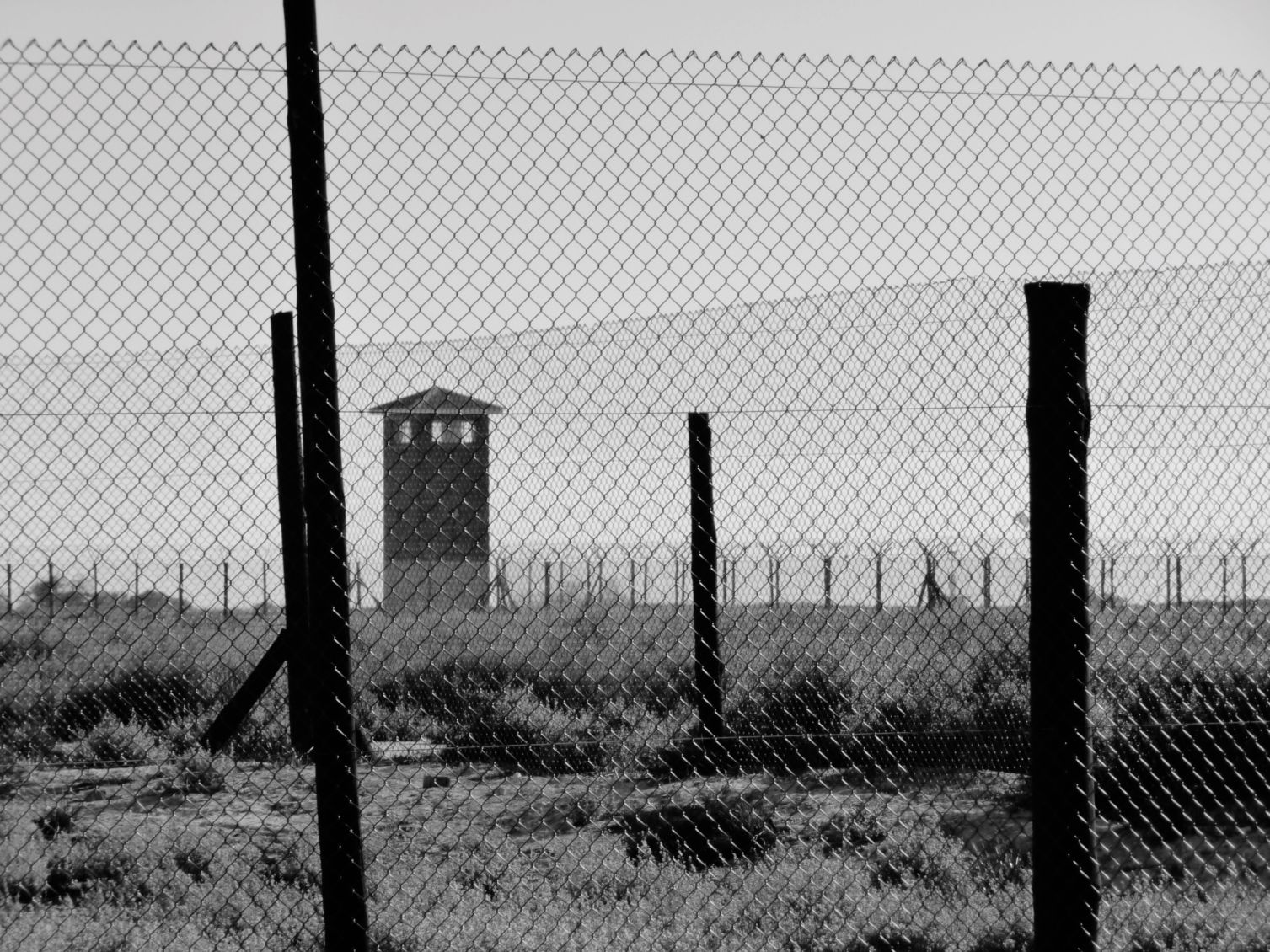
What if I told you that the prison system isn’t just a place of punishment, but a factory of broken families, shattered dreams, and a slow-motion war on women—especially those who dare to be mothers? The numbers don’t lie. Across the globe, women, disproportionately mothers, are being caged at rates that defy logic, compassion, and even basic human decency. This isn’t just about justice. It’s about a system that weaponizes incarceration against the most vulnerable, while society turns a blind eye. So, let’s ask the uncomfortable question: Is the prison system the most insidious form of state-sanctioned misogyny?
The Invisible Epidemic: Women Behind Bars
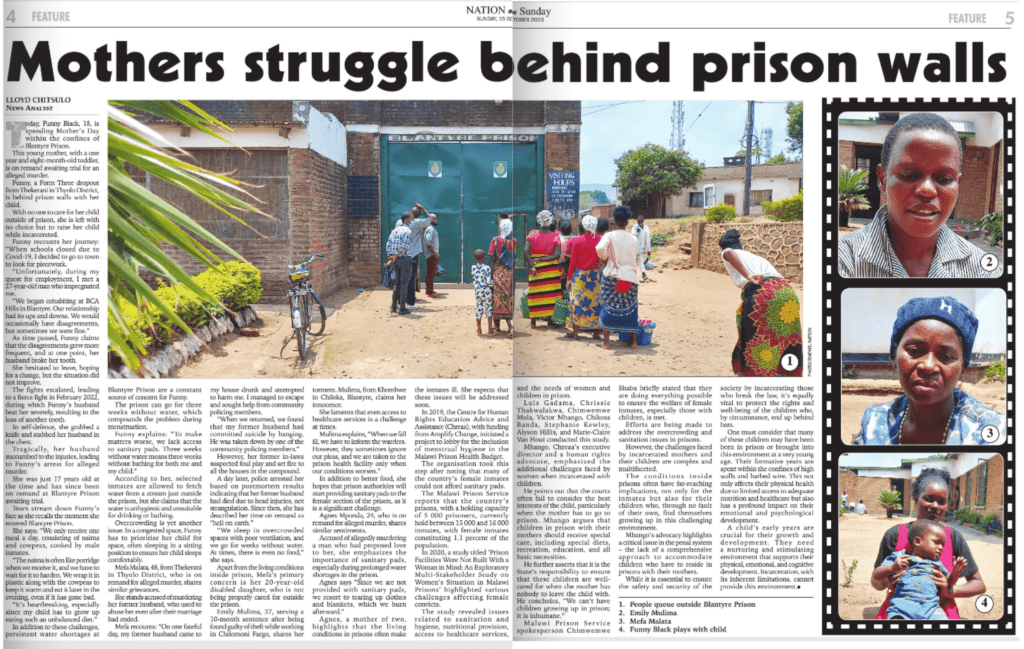
Imagine walking into a prison. The air is thick with despair, the walls echoing with the muffled cries of women who never expected to be here. Yet, here they are—mothers, daughters, sisters—locked away for crimes often rooted in poverty, trauma, or systemic neglect. The statistics are staggering. While women make up only about 7% of the global prison population, their incarceration rates are skyrocketing at nearly double the pace of men’s. And the kicker? A significant portion of these women are mothers. In the U.S. alone, over 60% of incarcerated women have children under the age of 18. That’s not a coincidence. That’s a crisis.
The reasons are as varied as they are heartbreaking. Many women end up in prison for non-violent offenses, often drug-related, tied to cycles of abuse or economic desperation. Others are victims of domestic violence who lashed out in self-defense—only to be met with the cold embrace of the penal system. And then there are the mothers who, in a twisted act of “protection,” are separated from their children, left to navigate a system that seems designed to ensure they never reunite.
The Mother-Child Separation Machine
There’s a term for what happens when a mother is incarcerated: maternal disenfranchisement. It’s not just a legal term; it’s a slow, bureaucratic erasure of a child’s right to love, stability, and a future. When a mother is locked away, her children are often shunted into foster care, where they become statistics in a system that fails them just as spectacularly as it failed their mother. The foster care pipeline is a conveyor belt of trauma, where kids bounce from home to home, their emotional needs treated as an afterthought.
But here’s the cruel irony: society clamors for “family values” while gleefully tearing families apart. Politicians preach about “personal responsibility” from their ivory towers, yet they’ve built a prison-industrial complex that thrives on breaking the very bonds that hold communities together. What’s the message here? That motherhood is a privilege, not a right? That love is a luxury reserved for those who can afford to stay out of prison?

The Prison-Industrial Complex: A Feminist Nightmare
The prison system isn’t broken—it’s working exactly as intended. It’s a machine designed to extract wealth, labor, and control from the most marginalized, with women and mothers at the very top of the target list. Private prisons, for-profit detention centers, and the ever-expanding surveillance state all profit from the criminalization of poverty and trauma. And who bears the brunt? Women of color, Indigenous women, queer women, and those already struggling to keep their heads above water.
Consider the case of women in solitary confinement. While men are also subjected to this torture, women—especially mothers—are disproportionately placed in isolation, where the psychological damage is compounded by the added cruelty of being cut off from their children. Studies show that prolonged solitary confinement can lead to irreversible mental health decline, turning already vulnerable women into shells of who they once were. Is this “justice”? Or is it a form of slow-motion femicide?
The prison system doesn’t just punish women. It erases them. It strips them of their identities, their roles as caregivers, and their humanity. And the most insidious part? Society cheers it on, believing that punishment is the only answer to complex social problems.
The Myth of Rehabilitation
Prisons are sold to the public as places of rehabilitation. But let’s be real—rehabilitation is the last thing on the agenda. The system is designed to punish, not heal. Women who enter prison with histories of abuse, addiction, or mental illness are often denied the resources they need to recover. Instead, they’re thrown into a cycle of recidivism, where the only way out is to conform to the system’s expectations—or break free entirely.
What if we reimagined prisons as spaces of healing? What if mothers were given the tools to rebuild their lives, not just survive them? Programs like prison nurseries, where mothers can bond with their infants, or trauma-informed therapy, could be lifelines. But these initiatives are rare, underfunded, and constantly under threat of being dismantled by a system that prefers punishment over progress.
The truth is, rehabilitation isn’t profitable. Control is. And as long as prisons remain a tool of social control, women—especially mothers—will continue to be its primary victims.
The Radical Act of Motherhood
So what can we do? The answer isn’t simple, but it starts with recognizing the war being waged against mothers in prison. It means challenging the narrative that punishment is the only solution. It means demanding alternatives—restorative justice, community-based programs, and an end to the criminalization of poverty and trauma.
It also means listening to the voices of incarcerated women. Their stories are not just tales of suffering; they are testaments to resilience. They are reminders that motherhood doesn’t end at the prison gates. It’s a bond that transcends bars, bureaucracy, and societal indifference.
Perhaps the most radical act of all is to ask: What kind of society locks up its mothers? And then, to refuse to accept that as the answer.






Leave a Comment