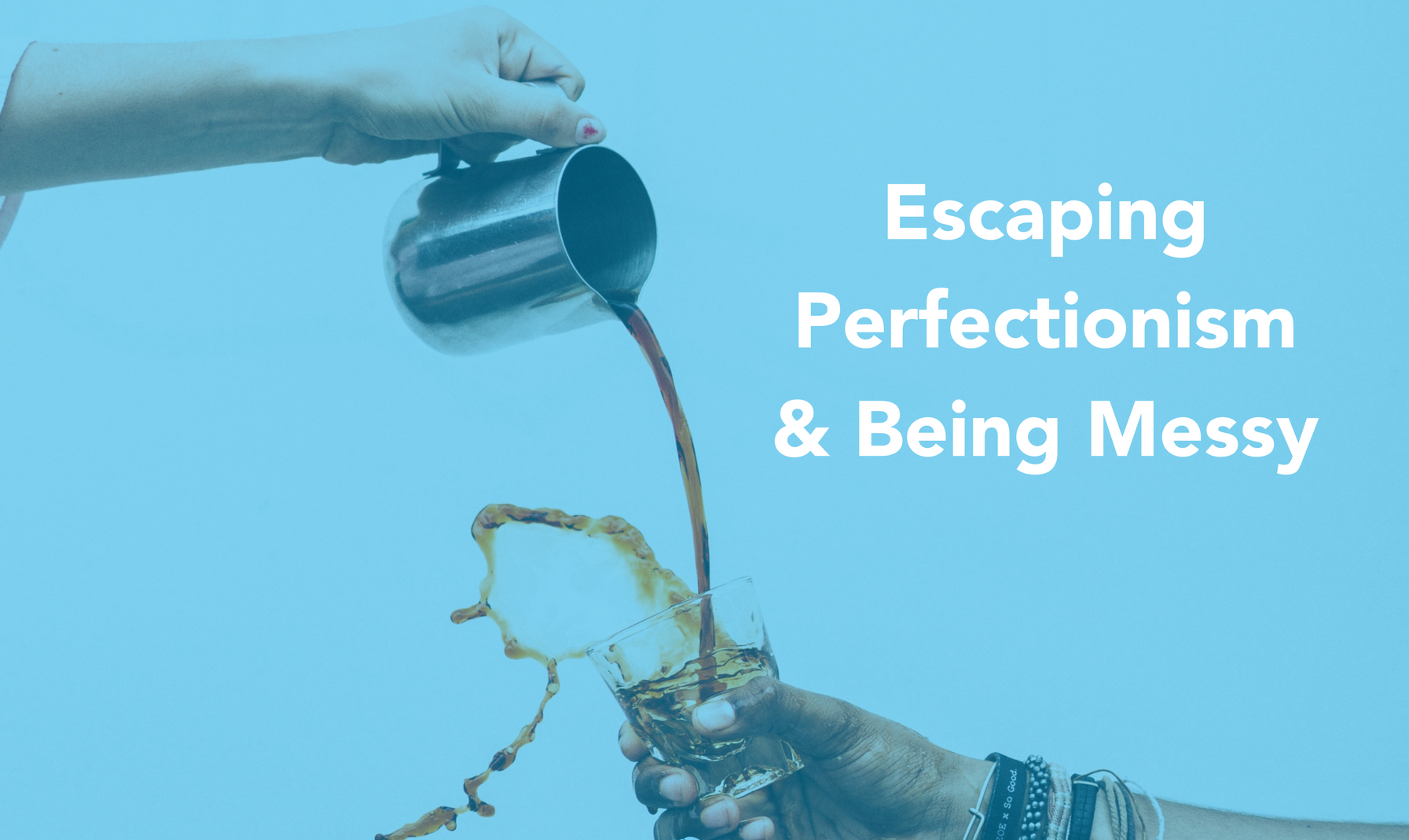
In a world obsessed with glossy Instagram feeds and the relentless pursuit of flawlessness, the messy room stands not as a symbol of failure, but as an incendiary act of rebellion. It is a sanctuary where chaos converses with clarity, and where the shackles of perfectionism begin to rust. To detox from perfectionism is to invite disorder, not as an enemy, but as a candid mirror reflecting the rich tapestry of human existence. This cleansing journey begins with one messy room: a microcosm of our tangled hopes, doubts, and raw authenticity.
The Messy Room: A Fractured Canvas of Authenticity
Consider the messy room as an abstract painting—splattered with the hues of lived experiences rather than the sterile brushstrokes of societal expectation. It resists curation, shouting volumes in disarray. The scattered books, the abandoned clothes, the coffee cups forming invisible constellations on the desk—all speak to a genuine human presence. Perfectionism demands a pristine canvas, but in that demand lies a negation of the mess that birth creativity and growth.

When we finally confront the scattered layers of our personal chaos, we unearth stories embedded within. Every crumpled paper and every crooked photograph is a shard of our imperfect self, begging recognition.
Perfectionism: The Silent Tyrant of the Mind
Perfectionism wears a velvet glove, seducing with the promise of control, achievement, and acceptance. Yet beneath lies a ruthless tyrant, demanding adherence to impossible standards and smothering spontaneity. It autocratically commands that the room—and consequently, life—must adhere to an immaculate order. Such rigidity is suffocating, transforming a living space into a mausoleum of stalled emotions and deferred dreams.
This tyrannical mindset perpetuates a vicious cycle: the fear of mess begets procrastination, which deepens the mess, inviting further self-loathing. To break free, one must confront the chaotic debris not as enemies, but as allies in the quest for liberation from this internal despotism.
The First Act of Rebellion: Embracing the Mess
The detox begins the moment perfectionist ideals crumble—when you stand in your messy room and refuse the impulse to immediately sanitize every surface. Instead, you lean into the clutter. You touch it, see it, and allow its unruly presence to coexist with your consciousness. This embracement is not surrender to chaos, but a radical acknowledgment that imperfection is the crucible from which real life emerges.

When the obsession with order relaxes, your mind begins to reclaim its creative energy. Freed from the crippling need to control every detail, you open pathways to insight, compassion, and resilience. The mess metaphysically transforms from a source of shame into a fertile ground for self-acceptance.
The Alchemy of Cleaning: Transmuting Disorder Into Balance
Detoxing perfectionism doesn’t mean forsaking order outright. Instead, it’s about cultivating a dynamic relationship with your space that honors imperfection. Cleaning becomes an alchemical process—not a frantic scrub for appearances, but a mindful, deliberate act of transformation. As you sort through the disorder, you reclaim narrative ownership over your life, discerning what truly matters and what was imposed through external pressures.
In this light, tidying transcends mere aesthetics. It becomes a ritual of sovereignty. You decide the tempo, the rhythm, the criteria—not the internalized despotism of “must be perfect,” but your own liberating logic.
The Liberation of “Good Enough”: A Radical Self-Compassion
To detox perfectionism entails embracing the idea of “good enough” with fierce tenacity. Within the messy room lies the manifesto of self-compassion—an antidote to the brutal self-criticism fueling compulsive control. “Good enough” is not acquiescence but defiance, a challenge to a culture that equates human worth with unfaltering performance.
This shift recalibrates your relationship with your environment and yourself. It dismantles the illusion that your space—or your entire life—must be immaculate to be valuable. Instead, it invites you to cherish the in-between: the daily, the flawed, the vulnerably real.
The Room as a Living Archive: Honoring Your Inner Landscape
Every sock, every half-read novel, every precariously balanced stack of papers, creates a living archive of your interior world. This room, messy as it might be, narrates your growth, your battles, your moments of joy and despair. Recognizing this archive is a lesson in humility and empowerment—your space is a profound extension of your psyche, not a blank slate awaiting perfection.
As you detox from the need for an unrealizable ideal, you begin to read your environment with new eyes, attuned to nuance and authenticity. The room’s disorder becomes a testament to your courage in living a space unchained from convention.
From Perfervid Control to Fluid Freedom: Sustaining the Detox
The permanence of this detox lies not in achieving a flawlessly tidy space but in cultivating a fluidity that makes room for growth and uncertainty. This is a lifelong practice of releasing the clutches of compulsive order, learning to navigate the oscillation between chaos and calm.
Freedom surfaces when the messy room is no longer a trigger for despair but a habitat for growth—an ecosystem where your evolving self can thrive amid the impermanence of life. Here, the mess is no longer a problem to fix but a phenomenon to embrace.
The Messy Room as a Feminist Manifesto
This reclamation of the messy room holds profound feminist significance. It challenges patriarchal narratives that demand women’s spaces and selves be polished, compliant, and contained. The messy room asserts the right to occupy space on one’s own terms—unvarnished, unapologetic, unruly.
Rejecting perfectionism is not merely a personal act; it is political. It disrupts the gendered burden of domestic labor and the emotional toll exacted by impossible ideals. Through the messy room, a new narrative unfolds—one where freedom, creativity, and authenticity form the foundation for feminist liberation.

The messy room is more than clutter, more than unfinished tasks; it is a battleground for the soul and a sanctuary for the self. Detoxing perfectionism starts here—amidst the disarray, within the unvarnished truth of human experience.







Leave a Comment