
The smartphone in your pocket is a marvel of engineering—a sleek, glass-and-metal slab that fits snugly into the palm of a hand designed for power, not compromise. Yet, for women, this convenience is often an illusion. The average smartphone is a monument to the male default: a device built for hands that are, statistically, larger and stronger. It’s not just about size—it’s about who the design serves, and who it leaves behind.
The Tyranny of the Average Hand
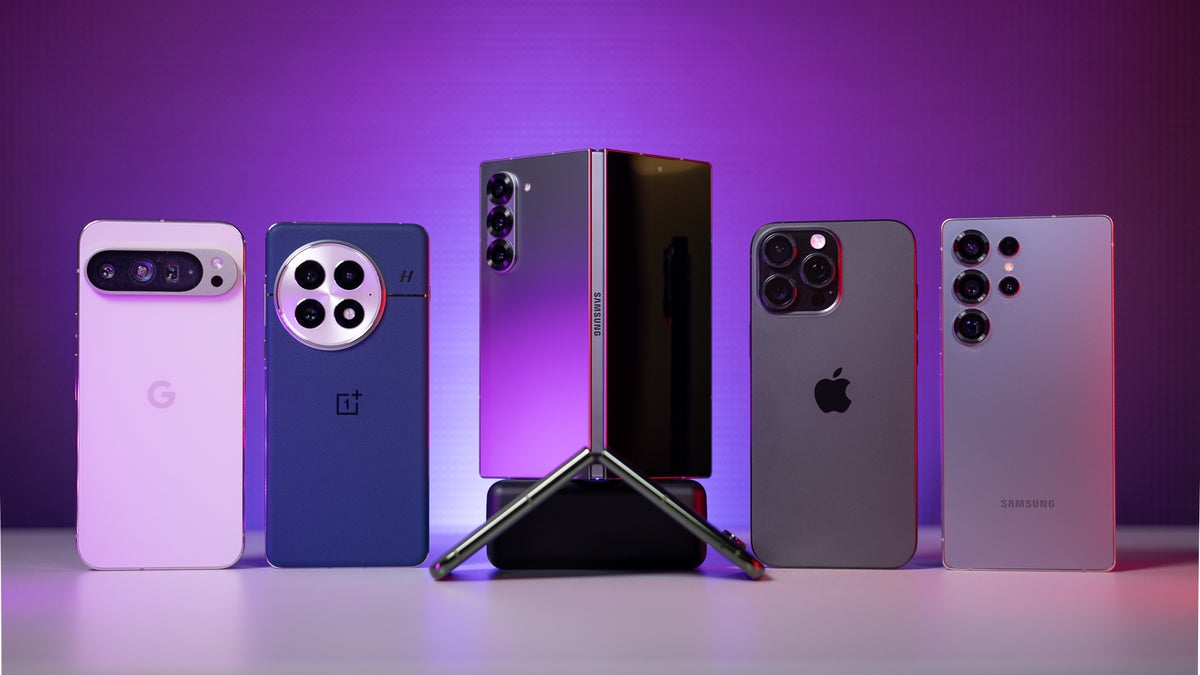
Anthropometric data is clear: the 95th percentile for male hand length is 19.5 cm, while for women, it’s a mere 17.5 cm. The difference isn’t trivial—it’s the gap between effortless grip and a cramped, two-handed death grip. Yet, the smartphone industry clings to the myth of the “average user,” a euphemism for the male body. Phablets, the reigning kings of the market, stretch to 7 inches or more, their edges sharp enough to dig into soft tissue. They’re not designed for comfort; they’re designed for spectacle. The message is unmistakable: if your hands can’t handle it, you’re not the target audience.
This isn’t just an inconvenience—it’s a form of ergonomic exclusion. Women, who already navigate a world of spaces built for male bodies—from car seats to office chairs—now find themselves wrestling with devices that refuse to accommodate them. The result? A daily ritual of awkward adjustments: pinky fingers curled under, wrists bent at unnatural angles, the constant threat of a slip-and-drop disaster. And all for what? To fit a screen that’s too large to be practical, let alone pleasurable.
The Illusion of Universality
Tech companies love to tout their commitment to “inclusive design,” yet their products remain stubbornly fixated on a narrow ideal. The truth is, the smartphone market is a pyramid scheme of size. At the top, you have the flagship behemoths, their dimensions dictated by the need to cram in ever-larger batteries and screens. At the bottom, a dwindling selection of compact devices, dismissed as “niche” or “outdated.” The middle ground? A wasteland.
This isn’t an accident—it’s a choice. The industry has convinced us that bigger is better, that the “phablet” is the natural evolution of the phone. But who benefits from this relentless expansion? Not women. Not children. Not anyone with smaller hands or weaker grips. The obsession with screen real estate has turned the smartphone into a cumbersome tool, one that demands both hands to operate safely. It’s a design philosophy that prioritizes visual spectacle over functional dignity.
Consider the humble flip phone, once a staple of elegance and portability. Where has it gone? Relegated to the dustbin of history, replaced by slabs that are as likely to shatter as they are to impress. The message is clear: if you can’t handle the bulk, you’re not worth designing for.
The Ergonomic Betrayal
Grip strength is another casualty of this design philosophy. Studies show that women, on average, have about 60% of the grip strength of men. Yet, smartphones are getting heavier, their edges sharper, their backs slicker. The result? A daily struggle to maintain control. The “slip hazard” isn’t just a meme—it’s a real, persistent threat. A single misstep, and your $1,000 device is a goner, its shattered screen a testament to the industry’s indifference.
Even the act of typing is a chore. The average smartphone keyboard is a minefield of accidental presses, its keys too large and spaced too far apart for smaller fingers. Autocorrect becomes a crutch, a desperate attempt to compensate for a design that never considered women’s hands. And don’t get me started on the “one-handed mode” that’s more of a cruel joke than a solution—requiring a series of contortions that leave your thumb aching.
This isn’t just bad design—it’s a form of architectural violence. The smartphone is supposed to be an extension of the body, a tool that empowers. Instead, it’s become a burden, a daily reminder that the world wasn’t built with women in mind.
The Market’s Silent Complicity
Why does this persist? Because the market rewards it. Flagship phones are status symbols, their bulk a badge of honor. The idea that a device should be comfortable, let alone tailored to a specific body type, is treated as a frivolous concern. “Real users” don’t care about ergonomics, the industry whispers. They care about specs. They care about screen size. They care about the illusion of progress.
And so, the cycle continues. Companies churn out larger, heavier, more unwieldy devices, while women are left to either adapt or suffer. The few compact options that do exist are dismissed as “women’s phones,” a label that carries the stench of condescension. As if the needs of half the population are a niche interest, a side note in the grand narrative of tech innovation.
The irony? The same industry that prides itself on disruption is trapped in the most stagnant of traditions. It’s a paradox of progress: we’ve put a computer in our pockets, but we’ve forgotten that not all pockets are the same.
The Way Forward: Design for the Margins
Change won’t come from the top down. It will come from the margins, from the women who refuse to accept that their hands are an afterthought. Already, we’re seeing glimmers of hope. Foldable phones, with their compact yet expansive screens, offer a tantalizing alternative. Niche brands are catering to smaller hands, proving that there’s a market for devices that prioritize comfort over spectacle. Even Apple, the architect of the male default, has flirted with compact designs in the past—though its recent flirtations have been fleeting.
The solution isn’t complicated. It’s about listening. About recognizing that the “average user” is a myth, a convenient fiction that excuses poor design. It’s about acknowledging that the body isn’t a one-size-fits-all proposition. And it’s about demanding better—not just in the specs, but in the very bones of the device.
Until then, women will continue to navigate a world where the tools they use are designed by men, for men. Where the act of holding a phone is a reminder of their own inadequacy. Where the future of technology is built on the assumption that their hands don’t matter.
But that future isn’t inevitable. It’s a choice. And it’s time to choose differently.










Leave a Comment