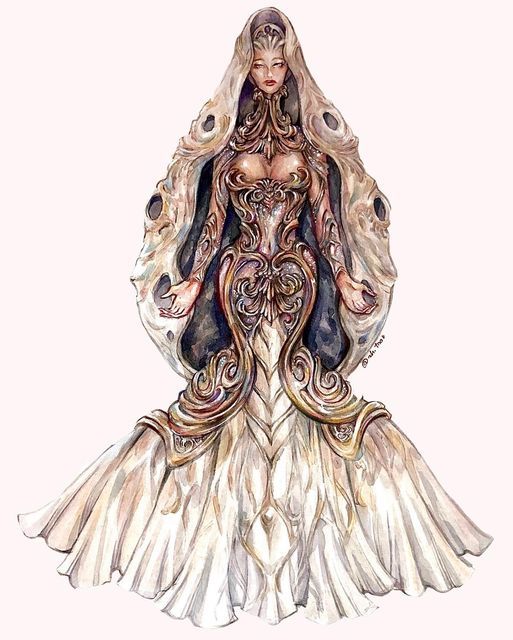
The drag art form is not merely a spectacle of sequins and sass—it is a defiant, glittering manifesto of feminist resistance. Beneath the wigs and the contour lies a radical reimagining of gender, power, and identity, one that dismantles patriarchal norms with every exaggerated hip swing and lip-sync performance. Drag queens are not just entertainers; they are feminist warriors, wielding satire as a weapon and glamour as armor. To dismiss drag as frivolous is to ignore its subversive core—a core that has, for decades, been rewriting the rules of femininity, masculinity, and everything in between.
The Queering of Femininity: When “Too Much” Becomes a Political Statement
Femininity, as prescribed by patriarchal culture, is a suffocating corset of expectations—delicate, passive, and perpetually on display for the male gaze. Drag queens, however, hijack these conventions with grotesque precision, amplifying every exaggerated feature until it becomes unrecognizable, absurd, and undeniably powerful. A drag queen’s makeup is not a mask; it is a magnifying glass, forcing society to confront the artifice of gender itself. When a queen paints her face into a grotesque parody of “ideal” beauty, she exposes the performativity of femininity, revealing it as a constructed illusion rather than an innate truth.
Consider the way drag queens weaponize the “too much”—too much makeup, too much hair, too much attitude. In a world that demands women be demure, these excesses are not flaws; they are acts of rebellion. The drag queen’s body becomes a canvas for feminist critique, a living argument against the idea that women must be palatable to be powerful. She doesn’t just challenge femininity; she weaponizes it, turning the tools of oppression into instruments of liberation.
RuPaul’s Drag Race and the Mainstreaming of Subversion
No discussion of drag’s feminist potential is complete without acknowledging *RuPaul’s Drag Race*—the show that turned queer rebellion into prime-time entertainment. At first glance, it might seem like a paradox: a corporate-sponsored competition where queens are judged on their ability to conform to beauty standards. Yet, beneath the glossy veneer, the show is a Trojan horse of radical feminism. Each lip-sync, each runway walk, each moment of unapologetic self-expression is a middle finger to the idea that women (or anyone) must be small to be taken seriously.
The genius of *Drag Race* lies in its ability to smuggle subversion into the mainstream. The queens on the show are not just performers; they are educators, teaching millions of viewers that femininity is not a monolith, that strength can be found in vulnerability, and that power is not diminished by glitter. The show’s challenges—from the “Snatch Game” to the “Eleganza Extravaganza”—are not just tests of skill; they are feminist masterclasses in reclaiming agency over one’s own body and identity.
And then there’s the unspoken truth: *Drag Race* is a feminist show because it centers women—queer women, trans women, women who have been systematically erased from traditional narratives. The queens on the show are not just competing for a crown; they are fighting for visibility, for respect, for the right to exist unapologetically in a world that would prefer them silent.
The Drag King Movement: Feminism’s Unsung Heroes
While drag queens have long dominated the cultural conversation, drag kings—women and non-binary performers who embody masculinity—are the movement’s radical undercurrent. In a society that equates masculinity with dominance and entitlement, drag kings flip the script, exposing the fragility of patriarchal power. When a woman dons a fake mustache and a suit, she is not just playing a role; she is dismantling the myth that masculinity is natural or inevitable.
The drag king scene is a feminist goldmine because it forces us to confront the ways masculinity is performed, just as femininity is. A drag king’s swagger is not just a costume; it is a critique of toxic masculinity, a reminder that power is not inherent but constructed. And in a world where men are often given unearned authority, drag kings remind us that masculinity can be deconstructed—and that’s a threat to the status quo.

Drag as a Sanctuary for the Marginalized
For many queer and trans people, drag is not just art—it is survival. In a world that pathologizes non-conformity, drag offers a space where bodies can be reimagined, where identities can be explored without fear. The stage becomes a sanctuary, a place where the rules of gender no longer apply. For trans women, drag can be a precursor to living authentically; for non-binary people, it can be a way to exist outside the binary entirely.
But drag’s feminist potential extends beyond the queer community. It is a space where cisgender women, too, can reclaim their bodies from the male gaze. When a woman performs drag, she is not just playing a role; she is asserting her right to define her own femininity, free from the constraints of societal expectations. Drag is a reminder that femininity is not a prison—it is a playground, a site of endless reinvention.
The Backlash: Why Drag Threatens the Status Quo
It’s no coincidence that drag has become a battleground in the culture wars. When queens like Bianca Del Rio or Sasha Velour command stages with unapologetic wit, they are not just entertaining—they are undermining the foundations of patriarchal power. Drag exposes the absurdity of gender norms, and that is a direct threat to those who benefit from keeping people in boxes.
The backlash is inevitable. From legislative attacks on drag performances to the moral panic over “grooming,” the right-wing fearmongering is a clear sign that drag is working. It is forcing a reckoning with the fragility of traditional gender roles. And the more drag is attacked, the more it proves its necessity—not just as art, but as a feminist act of defiance.
Conclusion: Drag as a Mirror and a Molotov
Drag is not just a performance; it is a mirror held up to society, reflecting back the absurdity of gender norms while simultaneously offering a way out. It is a Molotov cocktail tossed into the heart of patriarchal culture, exploding the illusion that femininity must be passive, that masculinity must be dominant, that power must be earned through conformity.
So the next time you see a drag queen command a stage, remember: this is not just entertainment. This is feminism in its most radical, most unapologetic form. And it is glorious.






Leave a Comment