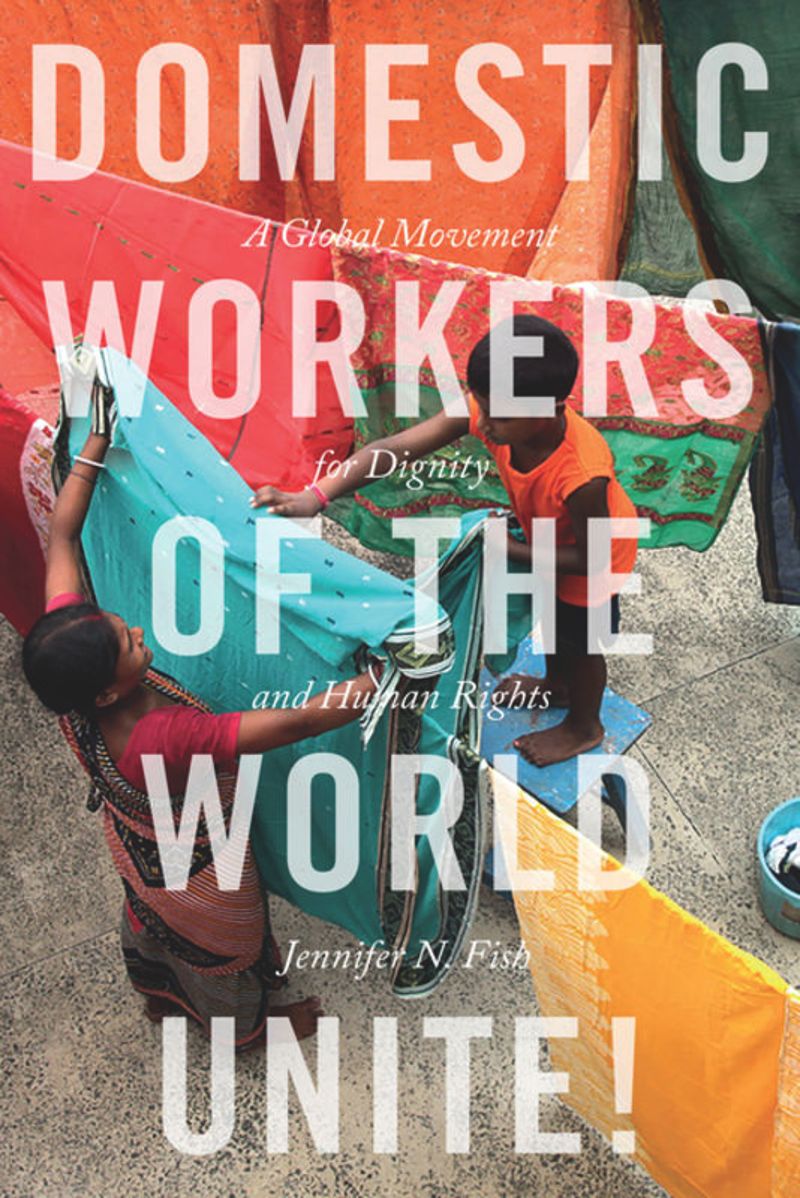
The global tapestry of labor is woven with threads of resilience, solidarity, and unyielding struggle—none more vivid than the story of domestic workers who have stitched together an alliance across three continents. These women, often invisible in the grand narratives of economic progress, have carved out a movement that transcends borders, languages, and cultures. Their fight is not merely for wages or working conditions; it is a defiant assertion of dignity in a world that treats their labor as expendable. The Domestic Worker Alliance is not just an organization—it is a living testament to the power of collective action when the margins refuse to stay marginalized.
The Invisible Labor That Powers the World
Domestic work is the invisible scaffolding of modern economies. Without the hands that scrub floors, care for children, cook meals, and tend to the elderly, the gears of productivity would grind to a halt. Yet, this labor is systematically undervalued, underpaid, and unprotected. Domestic workers—predominantly women, often migrants or from marginalized communities—are trapped in a paradox: their work is essential, yet their existence is rendered peripheral. The Domestic Worker Alliance exposes this hypocrisy by naming what capitalism prefers to ignore: that the economy cannot function without the unpaid and underpaid labor of those who perform the most intimate and necessary tasks.
The alliance does not just advocate for better wages or safer working conditions—it challenges the very foundations of a system that treats human care as a commodity to be bought at the lowest possible cost. By organizing across continents, these workers are rewriting the rules of engagement, forcing societies to confront the uncomfortable truth: that the labor of love is still labor, and it deserves the same protections as any other.
The Birth of a Transcontinental Movement
The Domestic Worker Alliance did not emerge from a vacuum. It was forged in the fires of exploitation, where domestic workers—isolated in private homes, far from the prying eyes of labor laws—realized that their struggles were not unique to their individual circumstances but part of a global pattern of oppression. The alliance’s formation was a radical act of defiance, uniting women from Asia, Africa, and the Americas under a single banner: *We are not alone.*

This transcontinental solidarity is not merely symbolic. It is a strategic necessity. Domestic workers in one country face deportation if they organize; in another, they risk losing their jobs if they demand fair treatment. By spanning three continents, the alliance creates a web of protection, where a worker in Manila can find support from a comrade in Johannesburg or New York. The movement’s strength lies in its ability to turn isolation into interdependence—a tactic that has already yielded tangible victories, from the passage of domestic worker bills of rights to the recognition of their labor as legitimate work.
The Politics of Care in a Neoliberal World
At the heart of the Domestic Worker Alliance’s struggle is a confrontation with neoliberal capitalism’s most insidious lie: that care is not work. In a world obsessed with productivity and profit, the emotional and physical labor of caring for others is dismissed as “natural” for women, something that should be given freely. The alliance rejects this narrative, insisting that care is not a feminine virtue but a human necessity—and one that must be compensated as such.
This is not just an economic demand; it is a political one. The devaluation of domestic work is deeply tied to the devaluation of women, particularly women of color and migrant women. The alliance’s fight is therefore a feminist fight, one that seeks to dismantle the hierarchies of labor that have long privileged certain kinds of work over others. By demanding recognition, they are not only challenging capitalism’s exploitation of their labor but also the patriarchal structures that have historically confined women to the private sphere.
The Power of Storytelling in Organizing
One of the alliance’s most potent tools is storytelling. In a movement where workers are often silenced by language barriers, immigration status, or sheer exhaustion, the act of sharing their experiences becomes an act of resistance. These stories—raw, unfiltered, and often heartbreaking—serve as both a weapon and a shield. They expose the brutality of exploitation while also forging connections between strangers who suddenly recognize their own pain in someone else’s words.
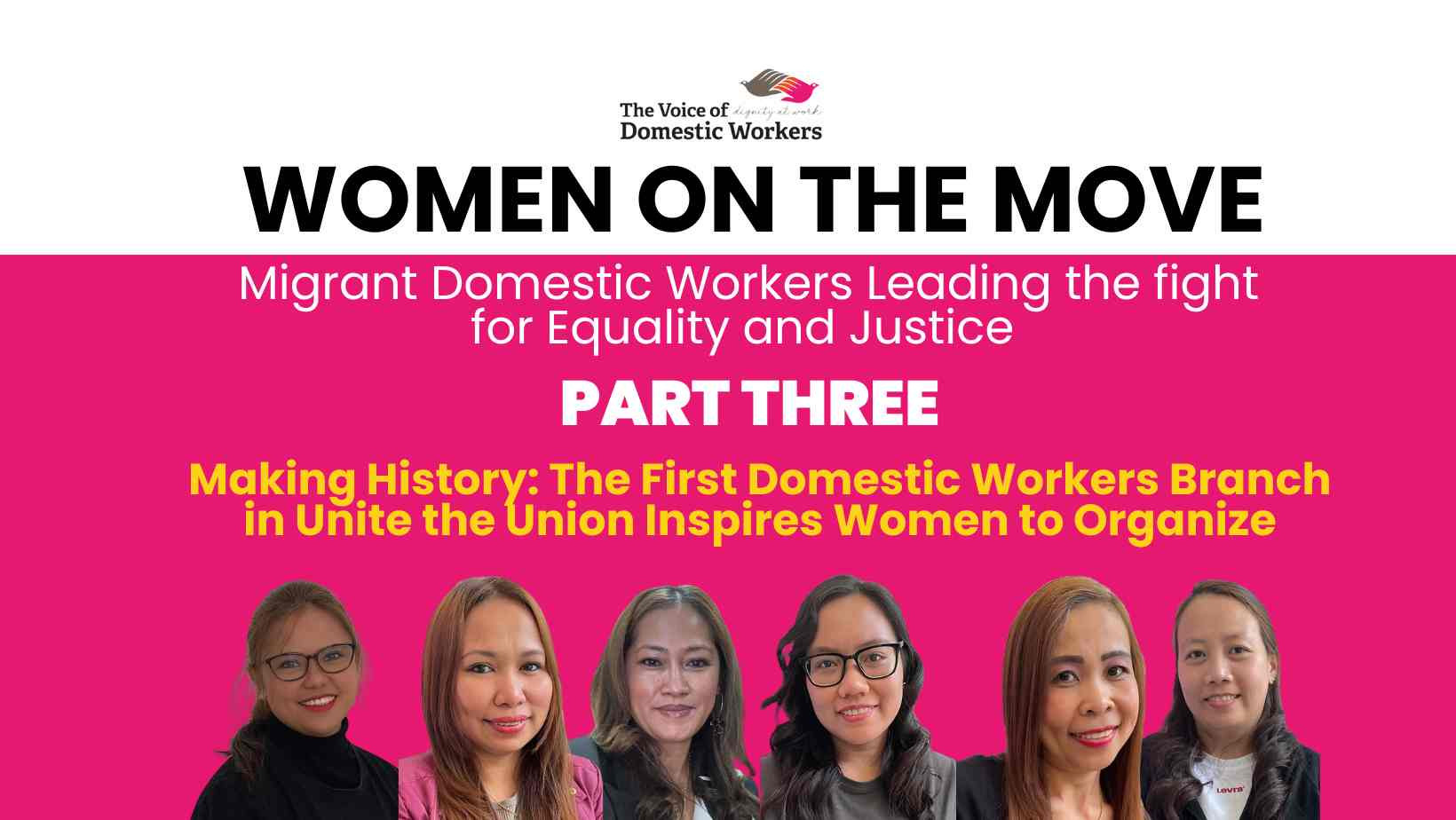
The alliance’s campaigns often center on personal narratives—videos of workers recounting their journeys, photographs of their workplaces, testimonies of abuse and resilience. These stories do more than humanize statistics; they create a shared identity. When a domestic worker in Los Angeles hears the story of a maid in Dubai who was denied food for days, she understands that her struggle is not hers alone. This is the alchemy of collective organizing: turning individual pain into collective power.
The Future: A World Where Care is Not Exploited
The Domestic Worker Alliance is not just fighting for better conditions—it is fighting for a fundamental reimagining of labor, care, and justice. Their vision is one where no human being is treated as a disposable cog in the machine of capitalism, where the work of caring for others is not just acknowledged but celebrated. This is a radical proposition in a world that thrives on scarcity and exploitation.
The alliance’s success thus far—from legislative wins to cultural shifts—proves that change is possible when marginalized voices refuse to be silent. Yet, the road ahead is fraught with challenges. Governments and corporations will resist. Cultural norms will push back. But the alliance’s strength lies in its refusal to compromise. They are not asking for a seat at the table; they are building their own table.
The Domestic Worker Alliance is more than a movement. It is a revolution in slow motion—a quiet but unstoppable force that is reshaping the world, one home, one workplace, one continent at a time. And if history is any indication, the world will have no choice but to take notice.






Leave a Comment