
The death penalty is not a gender-neutral punishment. While men overwhelmingly dominate the condemned population, women—when sentenced to death—often face a grotesque irony: either they receive mercy where men would not, or they are executed in cases so rare they become spectacles of systemic bias. This is not justice. It is a macabre lottery where gender dictates the outcome. The numbers don’t lie, but the system does.
The Invisible Scaffold: How Women Are Erased from Death Row
Globally, women make up a fraction of the death row population—typically less than 5%. Yet this scarcity is not a sign of their lesser culpability. It is a testament to how the justice system, from policing to prosecution, treats women differently at every stage. A woman accused of murder is more likely to be framed as a victim, even when evidence suggests otherwise. Prosecutors hesitate to seek the death penalty for women, not out of principle, but because the spectacle of executing a woman is too politically volatile. The result? A silent erasure. Women are either spared through plea deals, given life sentences, or—when the crime is deemed too heinous—executed in a manner that ensures maximum public outrage. The system doesn’t just spare women selectively; it weaponizes their gender to shape narratives.
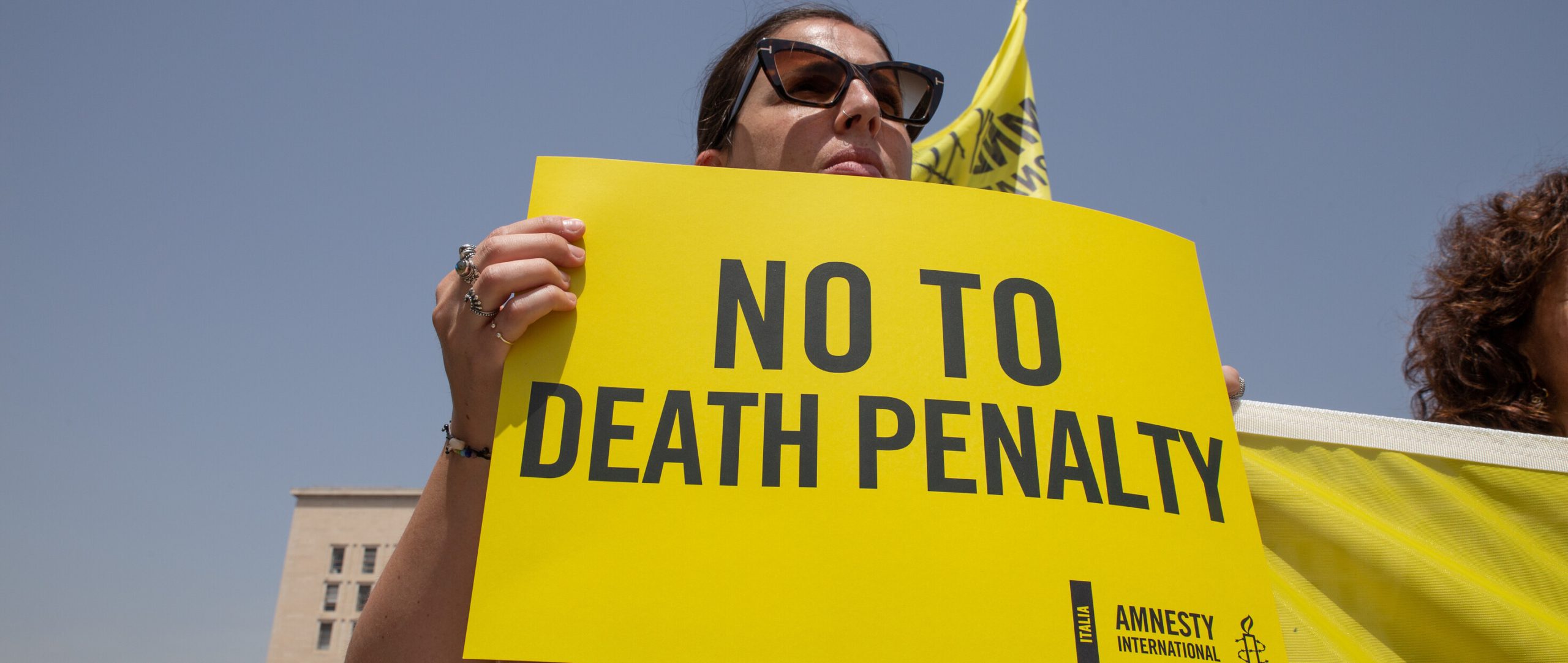
The fight against the death penalty is not just about numbers—it’s about who the system deems worthy of survival.
The Mercy Paradox: When Women Are Spared, What Does It Mean?
When a woman is granted clemency or avoids the death penalty, is it because the system recognizes her humanity—or because her execution would be too inconvenient? The mercy extended to women is rarely an act of justice. It is a calculated decision, one that preserves the illusion of a fair system while reinforcing the idea that some lives are too precious to take. Consider the cases of women like Karla Faye Tucker, executed in Texas in 1998, or Lisa Montgomery, the only woman on federal death row in the U.S. Their crimes were undeniably horrific, yet their gender became a focal point in appeals and clemency campaigns. The message is clear: society is more comfortable with women being imprisoned for life than with their execution, not because of moral superiority, but because the alternative is too disturbing to contemplate.
The Rarity of Execution: When Women Face the Ultimate Punishment
For every woman executed, there are thousands of men who meet the same fate. The rarity of female executions is not a sign of progress—it is a sign of how deeply the justice system fears the optics of killing a woman. When a woman is put to death, it is often framed as an exception, a necessary evil to maintain the illusion of balance. But these exceptions reveal the truth: the death penalty is not about retribution. It is about control. And when a woman is deemed too dangerous to live, the system ensures her execution is swift, brutal, and designed to send a message: even the most reviled women must be made an example of.
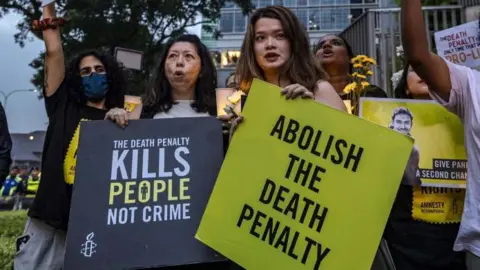
The halls of justice are not neutral ground—they are battlegrounds where gender dictates who gets mercy and who gets the noose.
The Gendered Gaze: How Media and Public Perception Shape Outcomes
Media coverage of women on death row is laced with a voyeuristic fascination. Their crimes are sensationalized, their personal histories dissected for clues about their monstrosity or victimhood. A man who commits murder is often portrayed as a criminal; a woman is portrayed as a deviant, a monster, or a tragic figure. This gendered gaze shapes public opinion, which in turn influences prosecutorial decisions. Juries are more likely to sympathize with a woman, even when the evidence is damning. But this sympathy is a double-edged sword. It can lead to life sentences instead of death, but it can also lead to harsher scrutiny, where every misstep is magnified, every emotion dissected for signs of remorse—or its absence.
The Global Disparity: Women and the Death Penalty Beyond the West
In countries where the death penalty is still actively used, women face an even more precarious position. In Saudi Arabia, Indonesia, and parts of Africa, women accused of crimes like adultery, witchcraft, or political dissent are executed in numbers that are statistically insignificant but symbolically devastating. Their deaths are not just punishments—they are warnings. The system ensures that women who dare to transgress are made examples, their executions broadcast as cautionary tales. Meanwhile, men accused of similar crimes may face different fates, their sentences softened by bribes, connections, or sheer indifference. The global death penalty is not a tool of justice. It is a tool of oppression, and women are its most vulnerable targets.
The Illusion of Progress: Why Reform Is Not Enough
Some argue that the rarity of female executions is a sign of progress—that the system is evolving toward mercy. But this is a dangerous delusion. The death penalty is not a broken system in need of fixing. It is a system that works exactly as intended, punishing the marginalized while sparing those who fit a narrow definition of innocence. Reform efforts that focus on gender disparities miss the point entirely. The issue is not that women are being treated unfairly within the death penalty system. The issue is that the death penalty itself is a grotesque relic of a system that has never valued women’s lives equally. Until we dismantle the machinery of death entirely, we are merely rearranging the deck chairs on the Titanic.

The death penalty is not a gendered issue—it is a human one. And until we recognize that, no amount of reform will change the system.
The Way Forward: Abolition as the Only Just Path
There is no middle ground. The death penalty cannot be reformed; it can only be abolished. The gender disparities we see are not anomalies—they are symptoms of a system that treats life itself as a privilege, not a right. Women who are spared execution are not saved by the system’s benevolence; they are saved by its cowardice. Women who are executed are not punished for their crimes; they are punished for daring to exist outside the roles society has carved out for them. The fight against the death penalty must be intersectional, recognizing that race, class, and gender all play a role in who is condemned. But at its core, it must be a fight for the fundamental belief that no human life is disposable. The scaffold is not a place of justice. It is a place of terror. And it must fall.







Leave a Comment