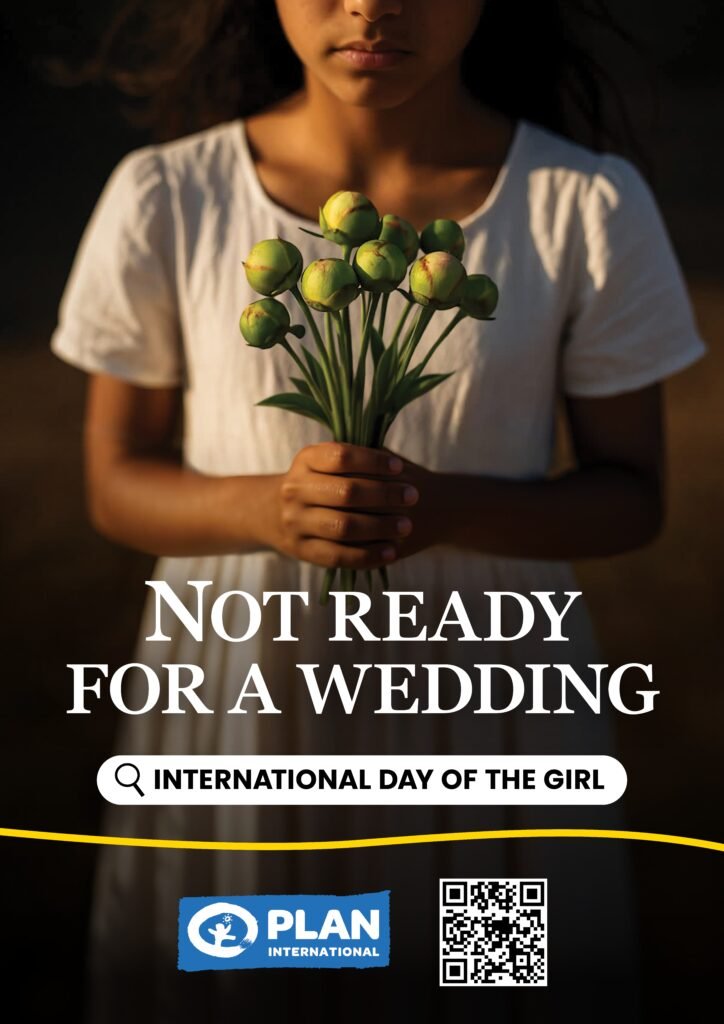
The child bride crisis is not merely a statistic—it is a global epidemic of stolen childhoods, shattered futures, and systemic oppression disguised as tradition. Every year, 12 million girls under the age of 18 are forced into marriages, their bodies commodified, their dreams extinguished before they can even whisper them into existence. This is not an issue confined to distant lands or “other” cultures; it is a pandemic that thrives in the shadows of poverty, patriarchy, and unchecked power. From the dusty villages of sub-Saharan Africa to the gilded halls of Western capitals where religious exemptions persist, the child bride crisis is a hydra-headed monster, its tendrils slithering through legal loopholes, cultural dogma, and economic desperation. This is the story of how societies collude to rob girls of their autonomy, and why the fight to end this atrocity must become the defining human rights struggle of our time.
The Brutal Math of Child Marriage: Numbers That Should Haunt Us
Twelve million girls a year—nearly 23 every minute, one every two seconds. These are not abstract figures; they are the daughters, sisters, and friends of someone, somewhere. The numbers reveal a grotesque hierarchy of suffering: 40% of child brides in the poorest countries are married before 15, their bodies ill-equipped for childbirth, their minds ill-prepared for the weight of matrimony. In Yemen, where 66% of girls are married before adulthood, the legal age for marriage is a cruel joke—15, if a judge approves. In India, 1.5 million girls under 18 are married annually, their childhoods bartered for dowries or “honor.” The math is simple: poverty multiplies the risk. A girl in Niger is more likely to be married as a child if her family earns less than $1 a day. These are not choices; they are calculations made by those who value survival over dignity.

The global distribution of this crisis is a map of inequality. South Asia accounts for nearly half of all child marriages, while sub-Saharan Africa holds the grim title of the highest rates per capita. Yet even in the West, the rot festers. In the United States, over 200,000 minors were married between 2000 and 2015, with some states allowing children as young as 12 to wed with parental and judicial consent. The numbers do not lie: this is a universal atrocity, its roots buried in the same soil of misogyny and control.
The Faces Behind the Statistics: Stories That Demand to Be Heard
Behind every number is a girl whose name we will never know, whose voice was silenced before it could mature. Meet Amina, married at 13 in a Mauritanian village where tradition dictates that a girl’s worth is measured by her obedience. By 15, she was pregnant, her pelvis too narrow for a safe delivery. The fistula that followed left her incontinent, ostracized, and trapped in a marriage she never chose. Or consider Priya, sold into wedlock in India for a sum equivalent to a few months’ wages, her education traded for a few rupees. When she fled, her family disowned her, branding her a “shame” to the community. These are not isolated cases; they are the predictable outcomes of a world that treats girls as property.
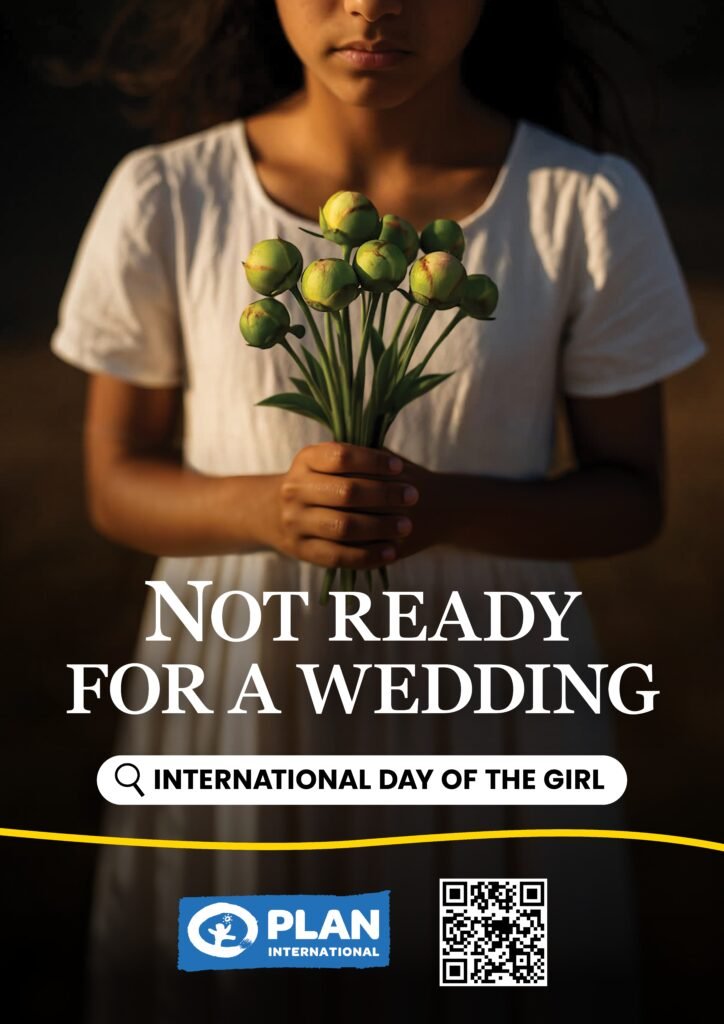
The psychological toll is equally devastating. Child brides are 50% more likely to experience domestic violence, their youth making them easy targets for abusers who prey on their vulnerability. Many suffer from depression, PTSD, and a profound sense of betrayal by the very people who were supposed to protect them. The cycle is self-perpetuating: a child bride is more likely to drop out of school, perpetuate poverty, and marry off her own daughters young. This is not just a human rights crisis; it is a generational curse, its tendrils reaching into the future like the roots of a poisoned tree.
The Architects of the Crisis: Who Profits from Stolen Innocence?
The child bride industry is not a shadowy cabal operating in secrecy—it is a well-oiled machine, lubricated by tradition, religion, and economic exploitation. At its heart are the gatekeepers: fathers who see their daughters as currency, religious leaders who twist scripture to justify pedophilia, and politicians who turn a blind eye for votes or campaign donations. In some cultures, the practice is framed as a “protection” against premarital sex, a grotesque inversion of logic that frames rape as a virtue. In others, it is a business transaction, with dowries and bride prices enriching families while impoverishing girls.
The global marriage market is worth billions, with traffickers exploiting loopholes to move girls across borders for forced marriages. In the UK, the “sham marriage” loophole has allowed predators to import child brides under the guise of family reunification. In Afghanistan, the Taliban’s rollback of women’s rights has resurrected child marriage as a tool of control, with commanders marrying off girls as young as nine to solidify alliances. The architects of this crisis are not faceless villains; they are our neighbors, our leaders, and sometimes, our families. Their complicity is the oxygen that keeps the fire burning.
The Collateral Damage: Health, Education, and the Death of Potential
The consequences of child marriage ripple outward, destroying not just individual lives but entire societies. Maternal mortality is 50% higher among child brides, their bodies betrayed by early pregnancies and obstructed labor. In Niger, one in seven girls who marry before 15 will die in childbirth. The health risks extend beyond the physical: child brides are more likely to contract HIV, suffer from malnutrition, and experience chronic pain. Their children, too, pay the price—stillbirths, low birth weights, and stunted growth are all more common in the offspring of child brides.

Education is the first casualty. A girl married before 18 is 60% more likely to drop out of school, her dreams of becoming a doctor, scientist, or leader extinguished before they can take root. The global economy loses $22 billion annually in potential earnings due to child marriage, a figure that dwarfs the budgets of entire nations. This is not just a tragedy for the girls themselves; it is a theft from the collective future, a world robbed of their innovation, leadership, and potential to break the cycles of poverty that perpetuate the crisis.
The Resistance: Grassroots Movements and the Fight for Liberation
Yet for every girl silenced, there are others rising up. In Ethiopia, the Berhane Hewan project has helped over 10,000 girls escape child marriage by providing education, microloans, and legal support. In Bangladesh, girls as young as 12 are leading “child marriage-free zones,” patrolling their villages to intercept forced marriages and educate their communities. In the U.S., survivors like Fraidy Reiss, founder of Unchained at Last, have become the vanguard of a movement to ban child marriage nationwide. These are not just stories of survival; they are blueprints for revolution.
The resistance takes many forms: legal challenges to discriminatory marriage laws, grassroots campaigns to shift cultural norms, and international pressure to hold governments accountable. In Malawi, a 2015 constitutional amendment raised the marriage age to 18 after years of activism by girls like Memory Banda, who refused to accept that her sister’s death in childbirth was an inevitable fate. In India, the #MyChoice campaign has galvanized young women to demand control over their own bodies and futures. The fight is far from over, but the tide is turning—slowly, painfully, but irreversibly.
What You Can Do: Turning Outrage into Action
The child bride crisis is not a problem to be solved from afar; it is a call to action for every person who believes in justice. Start by educating yourself—and others. Share the stories of survivors, amplify the voices of activists, and demand that your representatives support laws banning child marriage. Support organizations like Girls Not Brides, Human Rights Watch, and local NGOs that are on the frontlines of this battle. If you are a parent, mentor, or teacher, be a safe space for girls to dream beyond the confines of tradition. And if you are a survivor, know that your story is not a burden to bear but a weapon to wield in the fight for liberation.
The child bride crisis is not an act of God or an inevitable tradition—it is a crime against humanity, and it must end. The question is not whether we can stop it, but whether we will. The girls who are married today will not have their childhoods returned to them. But their daughters, and the daughters after that, can still inherit a world where 12 million is a number that haunts history books—not a statistic that defines the present.









Leave a Comment