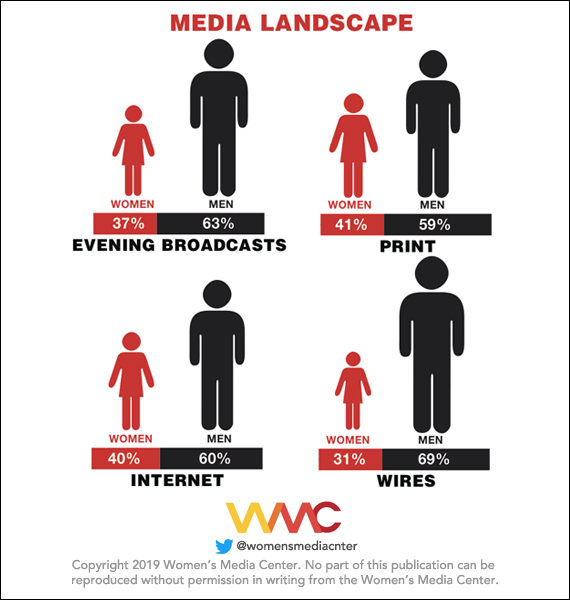
The camera pans to a sea of male faces—anchors, pundits, experts—while women are relegated to the role of correspondent, the fleeting guest, the decorative backdrop. The broadcast gap isn’t just a statistic; it’s a spectacle, a daily performance where women report on the world while men narrate it. What if the news desk were a mirror instead of a window? What if women weren’t just reporting the news but shaping the narrative? These aren’t hypotheticals. They’re challenges we’ve ignored for too long.
The Illusion of Inclusion: Women Reporting, Men Anchoring
Walk into any newsroom, and you’ll find women researching, writing, producing, and reporting. Yet, when the camera rolls, they’re often positioned as the voice of the field, the expert on the ground, the correspondent in the storm—while men dominate the anchor desk, the editorial board, the final word. This isn’t just a gendered division of labor; it’s a carefully curated illusion of progress. Women are visible, but not in control. They’re present, but not in power. The broadcast gap isn’t just about who speaks—it’s about who is allowed to be heard as the authority.
Consider the optics: a woman stands in a war zone or a political rally, delivering urgent updates, while a man sits in a sterile studio, delivering the verdict. The message is clear—women are the messengers, men are the message. This isn’t just outdated; it’s a systemic erasure. Women’s voices are deemed credible only when they’re reporting from the front lines, not when they’re interpreting the battle itself. The broadcast gap isn’t just a gap in representation—it’s a gap in perception.

The Authority Paradox: Why Women’s Reporting Doesn’t Translate to Anchorship
Women have been breaking barriers in journalism for decades. They’ve covered wars, exposed corruption, and won Pulitzers. Yet, the anchor desk remains a boys’ club, a bastion of unspoken rules where women are deemed “too emotional,” “too soft,” or “not authoritative enough” to helm the broadcast. This isn’t just bias—it’s a paradox. Women are trusted to report the news, but not to define it. They’re allowed to be the face of the story, but not the voice of the story.
The authority paradox is a double bind. Women are expected to be both relatable and authoritative, but the moment they lean into authority, they’re labeled “bossy” or “difficult.” Meanwhile, men are praised for the same traits. This isn’t just a gendered double standard—it’s a structural one. The broadcast gap isn’t just about who gets the job; it’s about who gets to define what the job is. Women report the news, but men decide what the news means.
What if the solution isn’t just hiring more women anchors, but redefining what an anchor looks like? What if authority wasn’t tied to a deep voice and a stern demeanor, but to clarity, empathy, and expertise? The broadcast gap isn’t just a numbers game—it’s a cultural one.
The Performance of Neutrality: How Male Anchors Become Invisible
There’s a curious phenomenon in broadcast news: the more a male anchor embodies the “neutral” voice of authority, the more invisible he becomes. He’s not a man; he’s the news. He’s not a personality; he’s the standard. This isn’t just a trick of the camera—it’s a trick of the system. Male anchors are trained to disappear into their roles, to become the vessel through which the news flows, while women are often expected to perform their gender as much as their profession.
This performance of neutrality is a privilege. It allows male anchors to be seen as objective, while women are scrutinized for their tone, their appearance, their “likeability.” The broadcast gap isn’t just about who gets the job—it’s about who gets to be neutral. Women are expected to be relatable, but men are allowed to be authoritative. Women are expected to perform, but men are allowed to exist.
What if neutrality wasn’t the goal? What if the news didn’t need to be delivered by a faceless voice, but by a person with a perspective? The broadcast gap isn’t just a gap in representation—it’s a gap in humanity.
The Unseen Labor: Women’s Work Behind the Scenes
Behind every great male anchor is a team of women—producers, researchers, editors—whose labor is invisible, uncredited, and undervalued. Women’s work in newsrooms is often the glue that holds the broadcast together, yet it’s the first to be overlooked when promotions and accolades are handed out. This isn’t just a gendered division of labor—it’s a systemic devaluation of women’s contributions.
The broadcast gap isn’t just about who speaks on camera—it’s about who shapes the narrative off-camera. Women are the backbone of newsrooms, but they’re rarely the face of them. They’re the ones fact-checking, researching, and producing the stories that men get to deliver. This isn’t just unfair—it’s unsustainable. A newsroom that doesn’t value women’s work is a newsroom that’s doomed to repeat its own biases.
What if the broadcast gap wasn’t just about who gets the microphone, but about who gets the credit? What if women’s unseen labor wasn’t just acknowledged, but celebrated? The broadcast gap isn’t just a gap in representation—it’s a gap in respect.
The Future of the News Desk: Can We Redefine Authority?
The broadcast gap isn’t just a problem—it’s an opportunity. What if the news desk of the future wasn’t a hierarchy, but a collaboration? What if authority wasn’t tied to gender, but to expertise, clarity, and empathy? The future of broadcast news isn’t about replacing men with women—it’s about redefining what authority looks like.
Imagine a news desk where women aren’t just reporting the news, but anchoring it. Where men aren’t just the default voices of authority, but partners in storytelling. Where the broadcast gap isn’t just closed, but reimagined. This isn’t a utopian fantasy—it’s a necessity. The world is changing, and the news desk must change with it.
The broadcast gap isn’t just a gap in representation—it’s a gap in imagination. What if we dared to dream of a news desk where authority wasn’t gendered? Where women weren’t just reporting the news, but shaping it? The future of broadcast news isn’t just about who speaks—it’s about who gets to be heard.










Leave a Comment