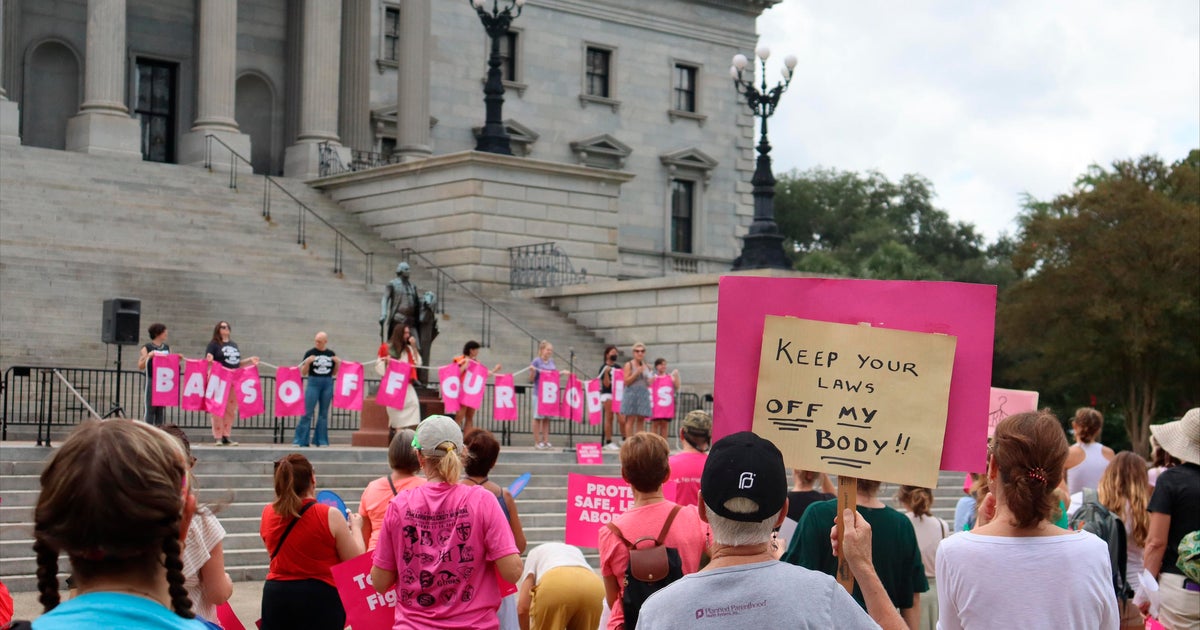
In the shadow of legislative chambers where ink meets parchment, a cruel paradox festers. Lawmakers, often white, male, and draped in the armor of moral absolutism, craft abortion bans with the finesse of a surgeon—except their scalpel carves away rights, not tumors. They promise exceptions: for rape, for incest, for the life of the mother. But these exceptions are not lifelines; they are mirages, shimmering on the horizon of legislative doublespeak, always just out of reach when a desperate woman needs them most.
The Myth of the “Life of the Mother” Exception: A Death Sentence in Disguise
Consider the “life of the mother” exception, the most sacred of the sacred loopholes. It sounds humane, doesn’t it? A nod to the Hippocratic oath, a whisper of medical necessity. But in practice, it’s a bureaucratic gauntlet, a labyrinth where every turn is lined with the cold hands of hospital ethics boards and the gavel of state-appointed arbiters. A woman’s uterus may be hemorrhaging, her blood pressure plummeting, her organs failing—but if her pulse hasn’t flatlined yet, the exception is denied. Doctors, bound by malpractice fears and state mandates, hesitate. Minutes tick into hours. The exception becomes a euphemism for “too late.”
In Texas, where the ban is a hydra of legalese, a woman with an ectopic pregnancy—a condition where the fetus grows outside the womb and is a death sentence for the mother—was denied care until she nearly bled out. The exception existed on paper. In reality, it was a death warrant. The law didn’t save her. It just ensured she suffered longer before dying.
Rape and Incest: Exceptions That Demand Proof of Trauma
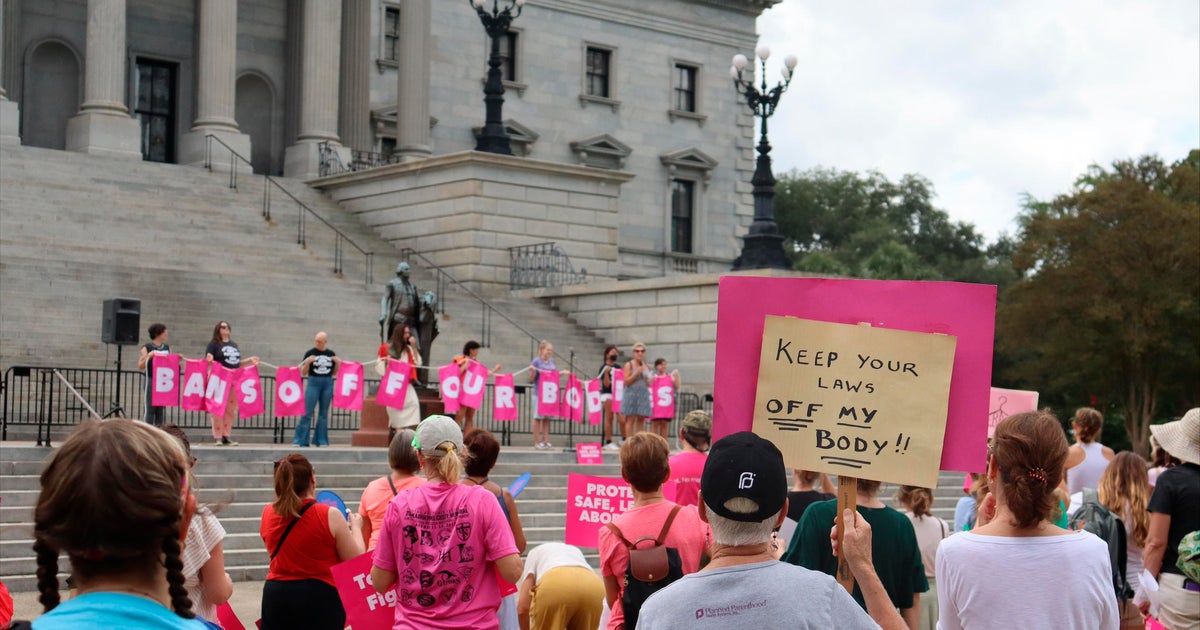
Then there are the exceptions for rape and incest, the ones that sound like concessions to decency. But decency, in this context, is a performance. States like South Carolina, where lawmakers pat themselves on the back for including these exceptions, require victims to file police reports or obtain restraining orders—tools of a system that already fails survivors at every turn. A child, raped by a family member, must relive the horror in a courtroom before she can access an abortion. A woman, violated by a stranger, must navigate a legal system that treats her like a suspect in her own assault.
The exceptions don’t protect. They punish. They force victims to prove their trauma to a room of strangers who may or may not believe them. And if they can’t? If the evidence is circumstantial, if the memory is fragmented, if the system is stacked against them? The exception vanishes like smoke. The ban remains. The violation continues.
Mental Health: The Invisible Casualty of Legislative Cruelty
Mental health exceptions are the most insidious of all. They dangle the promise of compassion, then snatch it away with the fine print. A woman with severe depression, suicidal ideation, or a history of trauma may qualify—for a psychiatrist’s signature, for a judge’s approval, for a bureaucrat’s stamp. But mental health care in this country is a luxury, not a right. Therapy waitlists stretch for months. Psychiatrists refuse to sign off on “elective” procedures. The exception becomes a cruel joke, a reminder that her suffering is less valid than the state’s moral posturing.
In Ohio, a woman with severe postpartum depression was denied an abortion because her “mental health” wasn’t deemed urgent enough. Two weeks later, she jumped from a bridge. The exception didn’t save her. It just ensured she died knowing the system had already decided her life wasn’t worth fighting for.

The Fine Print: How Exceptions Become Traps
The exceptions aren’t flaws in the law. They’re features. Designed to fail. Crafted to ensure that even when the letter of the law seems to offer mercy, the spirit of it ensures none is given. Doctors, fearing lawsuits or prison, err on the side of denial. Hospitals, wary of state interference, delay care until it’s too late. Women, already traumatized, are forced to navigate a gauntlet of legal hurdles that exist solely to wear them down.
In Louisiana, a woman with a nonviable pregnancy was told she couldn’t have an abortion until she developed an infection—a “life-threatening” complication that, in medical terms, could take weeks to manifest. The exception was there. The care was not. By the time she qualified, she was septic. The exception didn’t save her. It just ensured she suffered more.
The Real Exception: The State’s Obsession with Control
The truth is, these exceptions are never about saving lives. They’re about control. About forcing women to carry pregnancies to term, regardless of the cost. About turning doctors into jailers and patients into criminals. About creating a system where the only “exception” that truly exists is the one that punishes women for daring to exist outside the state’s narrow definition of morality.
The exceptions are a lie. A carefully constructed illusion to make the bans palatable to the public. But peel back the layers, and you’ll find the rot beneath. A system that doesn’t care about life. Only about power.
The Way Forward: Rejecting the Illusion
So what’s the solution? It’s not more exceptions. It’s no exceptions. It’s recognizing that abortion bans are not about protecting life—they’re about controlling women. It’s demanding that the exceptions be stripped away entirely, not because they’re insufficient, but because they’re a distraction. A smokescreen. A way to make the unbearable seem just bearable enough to swallow.
The real exception is the one that says a woman’s life, her health, her autonomy, matters. Until that exception is enshrined in law, the others are meaningless. And the women who need them most will continue to pay the price.









Leave a Comment