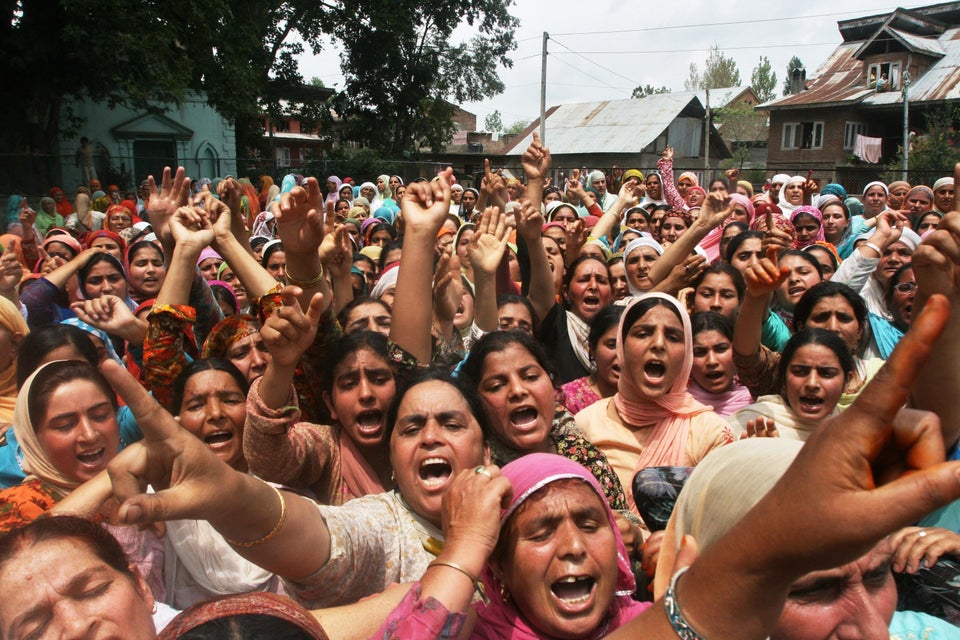
What does it mean to raise your voice when the world conspires to silence you? In a world where dissent is met with bullets and defiance with disappearances, women across the globe are rewriting the rules of survival—not with weapons, but with resilience. Their weapon? A raised fist. Their armor? The unshakable belief that their bodies, their voices, their very existence is a form of protest. But what happens when the act of standing up becomes a death sentence? When the streets you march on are paved with the blood of those who came before you? This is the paradox of female resistance in the most oppressive corners of the world: to protest is to risk annihilation, yet to remain silent is to surrender to annihilation itself.
The Paradox of Visibility: When Being Seen Means Being Targeted
There is a cruel irony in the act of protesting: visibility is both the goal and the danger. A woman stepping into the public eye, her body draped in slogans, her voice amplified by chants, becomes a walking target. In regimes where dissent is criminalized, where the mere act of gathering is met with batons and bullets, a woman’s presence is a provocation. Her body is not just hers—it is a battleground, a canvas for state propaganda, a symbol of what happens when women refuse to be erased.
Consider the women of Afghanistan under Taliban rule, where a single step outside the home without a male guardian is a transgression. Their protests are not marches with banners and megaphones, but silent, defiant stances—women standing in front of government buildings, their faces uncovered, their voices rising in unison. Each one knows the risk: arrest, torture, or worse. Yet they persist. Why? Because silence is not survival—it is complicity. Because the world has already decided their worth, and they refuse to accept that verdict.
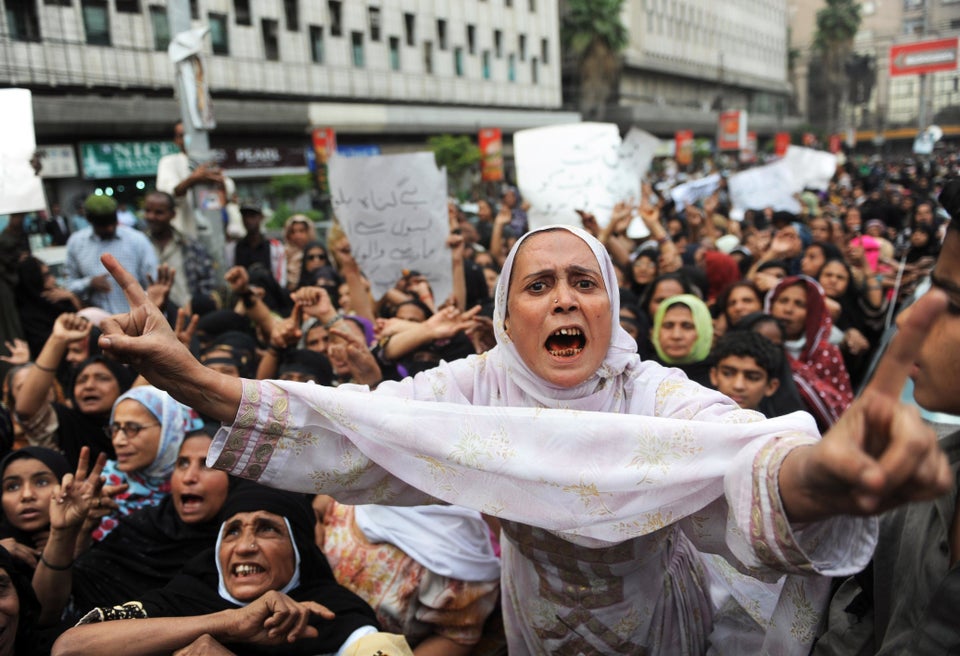
The Weaponization of Femininity: How Regimes Turn Grace Into a Threat
There is a peculiar cruelty in the way oppressive regimes target women’s protests. They do not just fear the message—they fear the messenger. A woman’s body, in its perceived fragility, becomes a paradox: simultaneously vulnerable and invincible. When a woman protests, she is not just challenging policy—she is challenging the very notion that her existence should be policed. Her hair, her clothing, her gait—all become political statements. And so, regimes strike back not just with force, but with psychological warfare.
In Iran, the morality police do not just arrest women for removing their hijabs—they humiliate them. They drag them into vans, cut their hair in public, parade them before cameras as examples of what happens to those who defy. The message is clear: your body is not yours. Your protest is not just an act of defiance—it is an act of war against the state. And in war, there are no rules. There is only survival.
But here lies the challenge: how do you fight an enemy that refuses to acknowledge you as human? How do you protest when the act itself is used against you? The answer, for many women, is to weaponize their femininity. To turn their perceived weakness into strength. To use the very tools of oppression—beauty, grace, silence—as weapons of their own.
The Global Conspiracy of Silence: Why the World Looks Away
There is a horrifying complicity in the international community’s response to female protesters in oppressive regimes. We share their images on social media, we hashtag their names, we light buildings in their colors—but do we ever truly see them? Do we understand the weight of their courage, or do we reduce their struggle to a fleeting moment of outrage before scrolling past?
The truth is that the world prefers its martyrs sanitized. We want their stories to be inspirational, not terrifying. We want to believe that their sacrifices will lead to change, not to more bloodshed. But the reality is far darker. The world looks away because it is easier to ignore the blood on the streets than to confront the systems that allow it to flow. We share their images, but we do not share their fear. We celebrate their bravery, but we do not share their terror.
And so, the cycle continues. Women protest. They are arrested. They disappear. The world moves on. Until the next woman steps forward. Until the next image goes viral. Until the next hashtag trends. But what if we stopped treating their protests as fleeting moments of inspiration and started treating them as the acts of war they truly are? What if we demanded more than just our outrage—what if we demanded justice?
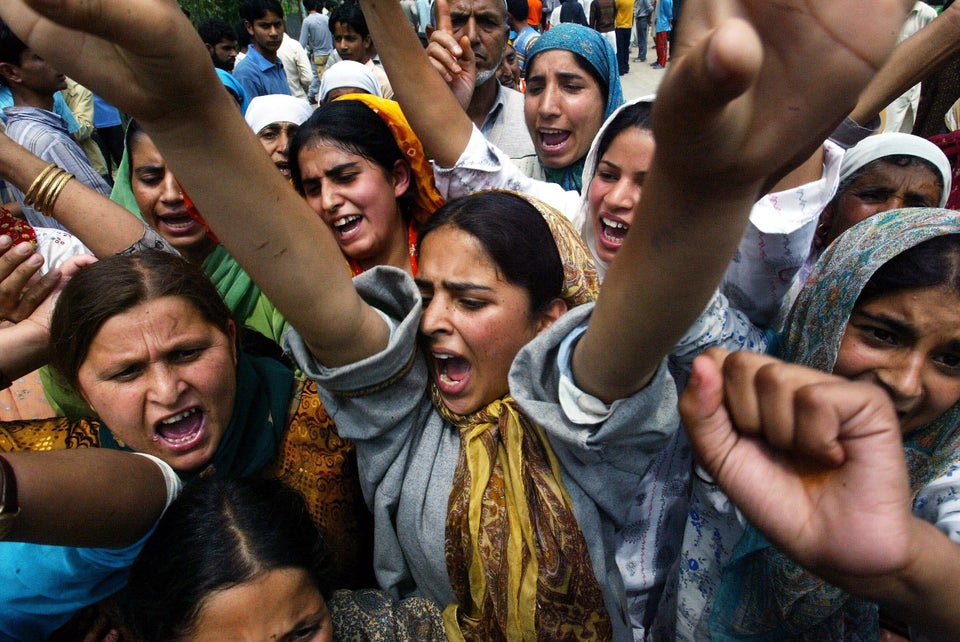
The Unseen Cost: What Happens When Protest Becomes a Death Sentence
The most chilling aspect of female protest in oppressive regimes is not the violence that follows—it is the psychological toll. The women who survive do not just carry the scars of beatings; they carry the weight of knowing that their sisters, their mothers, their daughters may not be as fortunate. They live with the constant fear that today could be the day they are taken. That tonight could be the night they never return.
In Saudi Arabia, the women who dared to drive in 2018 knew the risks. They knew that one wrong turn could mean imprisonment. They knew that their families could be punished for their defiance. Yet they drove. Not because they believed they would win, but because they refused to live in a world where their freedom was conditional on a man’s permission. Their protest was not just about driving—it was about reclaiming their bodies, their choices, their lives. And for that, they were silenced.
But here is the question we must ask ourselves: what does it say about a society when the only way a woman can assert her autonomy is by risking her life? What does it say about us, as a global community, that we accept this as the cost of progress? The unseen cost of female protest is not just the blood on the streets—it is the erosion of our collective humanity. It is the normalization of violence. It is the quiet acceptance that some lives are expendable.
The Subversive Power of the Everyday: How Women Protest When Silence is the Only Safe Option
Not all protests are loud. Not all resistance is visible. In the most oppressive regimes, the most powerful acts of defiance are the ones that go unnoticed by the state. A woman who refuses to wear the mandatory hijab is protesting. A girl who attends school despite the ban is protesting. A mother who teaches her daughter to read in secret is protesting. These are not acts of revolution—they are acts of survival. And yet, they are the most dangerous protests of all.
In North Korea, where dissent is met with labor camps, women have found ways to resist that the regime cannot easily crush. They share forbidden knowledge in whispers. They leave notes in public places. They use coded language in everyday conversations. Their protests are not marches—they are the quiet, relentless undermining of a system that seeks to control every aspect of their lives. And it is working. Because the state cannot arrest an idea. It cannot imprison a thought. It cannot kill the spirit of resistance.
This is the subversive power of the everyday: it cannot be contained. It cannot be erased. It is the protest that happens in the shadows, in the glances, in the unspoken defiance of a woman who refuses to be broken. And it is the most dangerous protest of all.
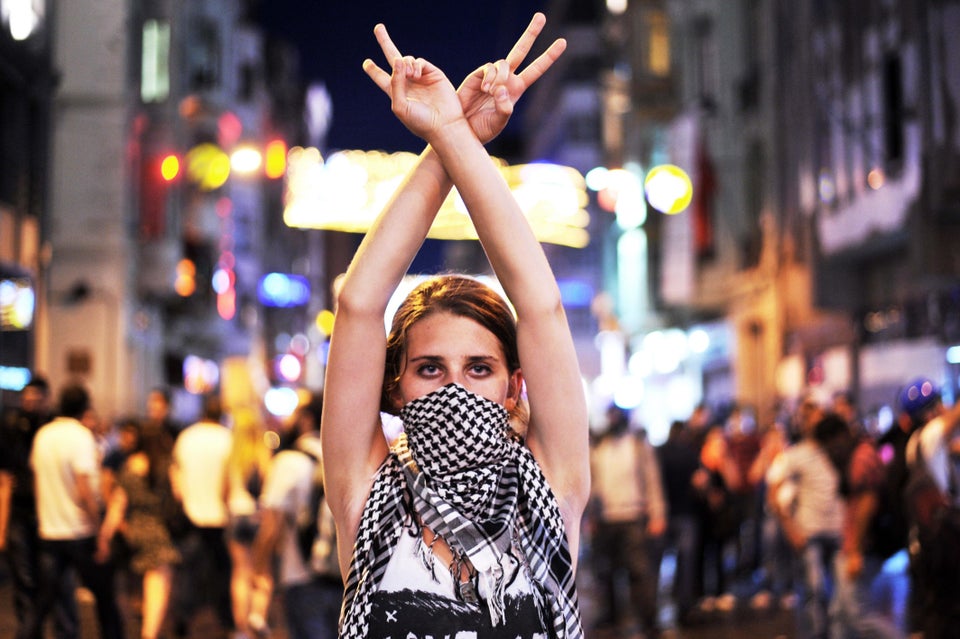
The Ultimate Question: Can Protest Survive When the World Refuses to See It?
We live in an era where protest is both ubiquitous and futile. We march. We chant. We share. We move on. But what happens when the protest is not just a moment of outrage, but a matter of life and death? What happens when the world refuses to see the blood on the streets? When the international community turns a blind eye? When the only witnesses are the women who are too afraid to speak?
The ultimate question is not whether women will continue to protest. They will. They always have. The question is whether we, as a global community, will finally decide that their lives are worth more than our comfort. That their struggles are worth more than our outrage. That their resistance is worth more than our silence.
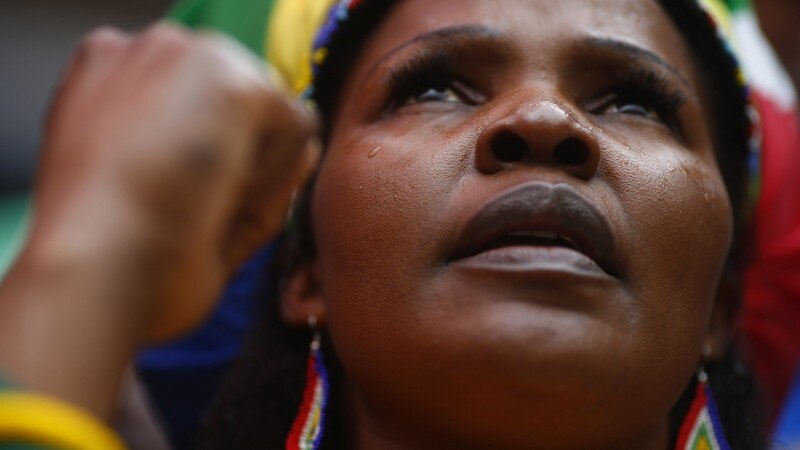
Because the truth is this: the world will not change until we demand it. And the change will not come from the oppressors—it will come from the oppressed. From the women who raise their fists in the face of death. From the girls who learn in secret. From the mothers who teach their daughters to fight. From the sisters who refuse to be erased.
The question is not whether they will protest. The question is whether we will finally listen.




Leave a Comment